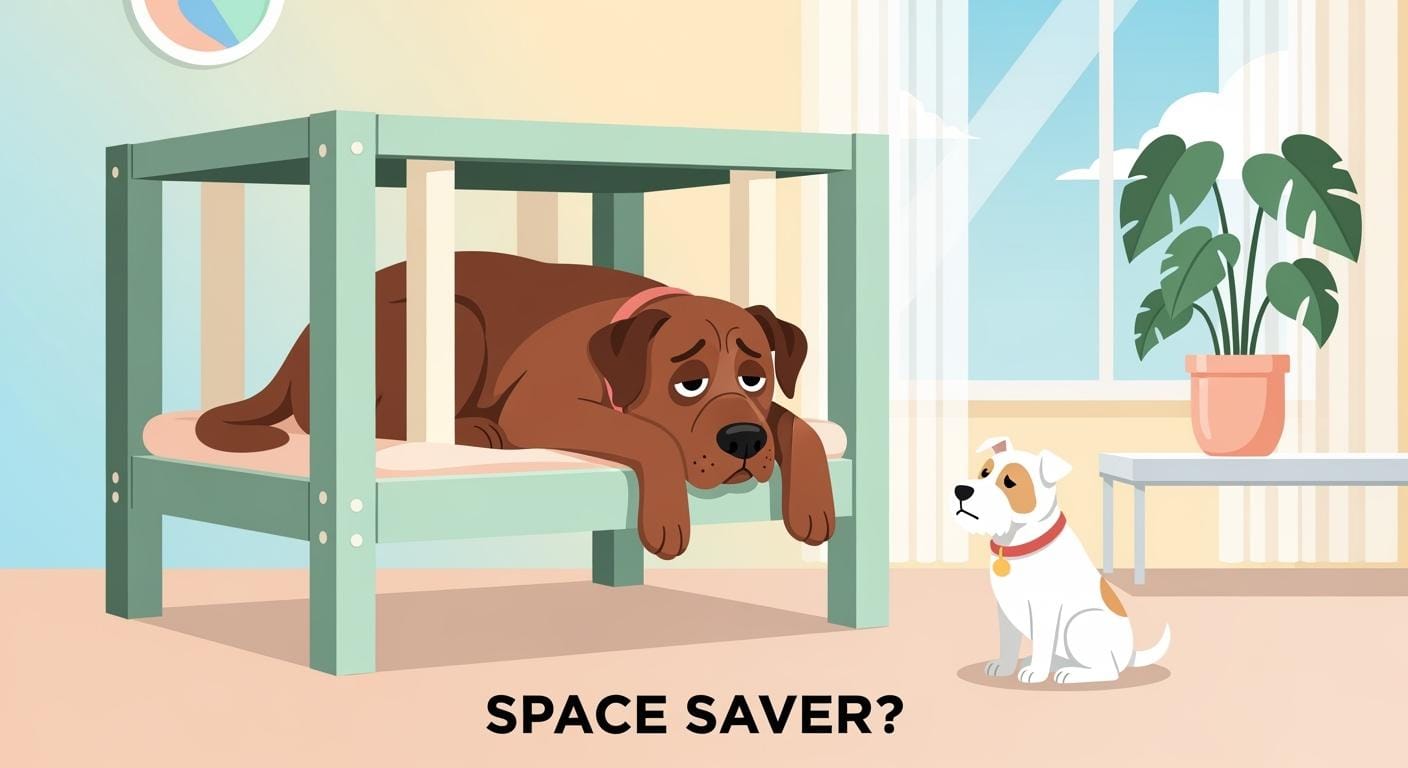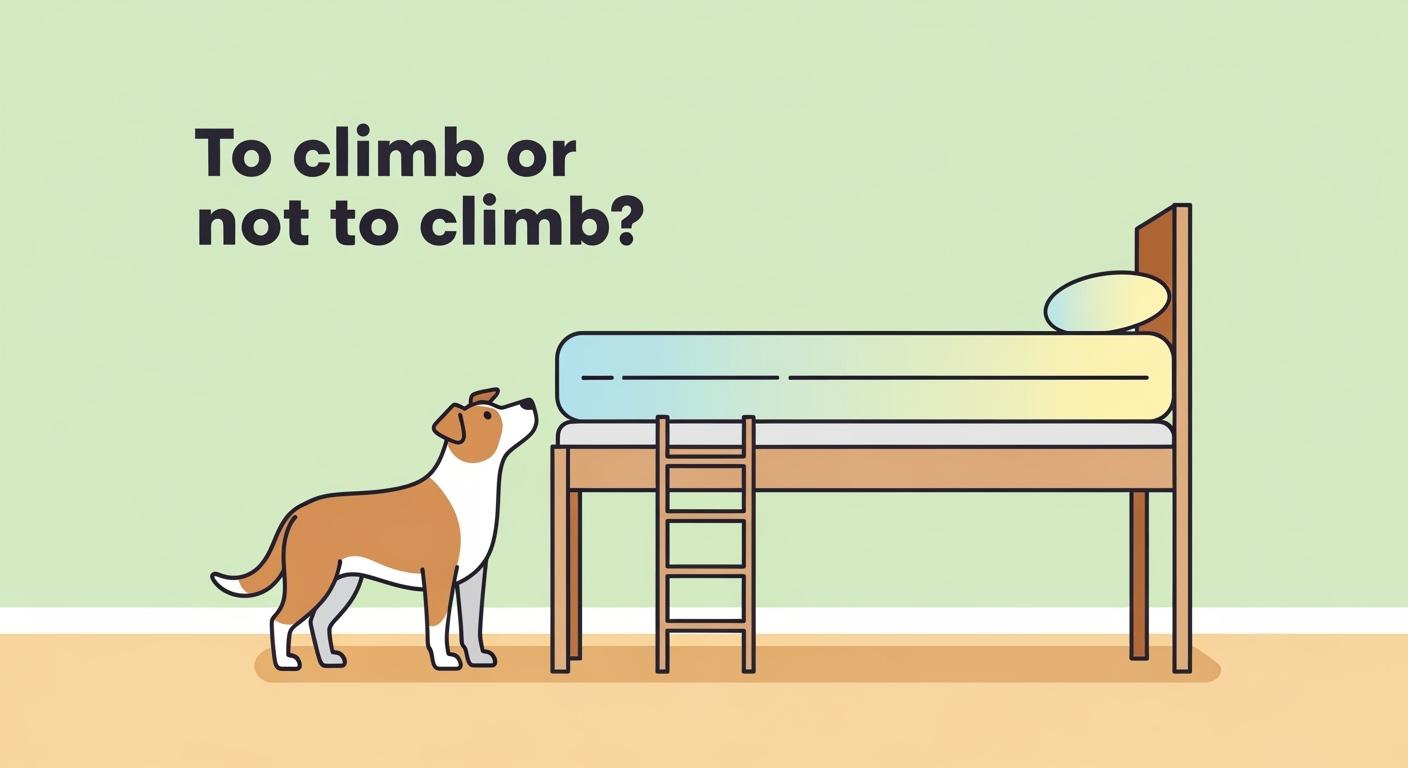
A tall bed for dog can be a smart choice when your dog spends time outdoors, runs warm, or needs a sleeping surface that stays cleaner than a cushion on the ground. The tradeoff is simple: extra height usually improves airflow and makes cleanup easier, but it also asks more of your dog when stepping up, turning around, and getting back down.
The best setup depends less on the bed looking elevated and more on whether your dog actually uses it with confidence. The same tradeoffs show up in outdoor dog bed sizing and support breakdown when you compare airflow, support, and ease of entry across different outdoor setups.
Key takeaways
- A taller bed usually helps most in warm weather because air can move under the sleeping surface.
- Raised designs are often easier to keep clean than floor beds, especially outside.
- Extra height is not automatically better. Stability, entry height, and how your dog settles matter more.
- Small dogs, seniors, and dogs with mobility issues often do better on a lower platform or a bed with a ramp.
When a taller bed helps and when a lower bed works better
Cooling and outdoor comfort
If your dog overheats easily or rests on a patio, deck, or lawn, a tall bed for dog can help by lifting the body away from hot or damp ground. That gap underneath the bed usually improves airflow, and many dogs seem more comfortable when the sleeping surface dries quickly after rain or washing.
Height is only part of the picture, though. Shade still matters. A bed with a canopy can make more sense when direct sun is the real problem, and canopy bed shade and sizing becomes more important once the bed will stay outside for long stretches. If your dog needs a more sheltered rest area than an open bed can provide, a pet tent for camping can add covered space, but it still works best with a stable sleeping surface underneath.
Cleaning and daily upkeep
Raised beds are usually easier to maintain than plush floor beds. Hair, dust, and bits of dirt are less likely to stay trapped in thick filling, and most outdoor frames can be wiped down faster than a bulky cushion. That makes a tall bed for dog appealing if the sleeping area gets muddy, dusty, or damp.
Cleaning still matters, especially if the bed lives outside. A regular routine for washing a dog bed weekly or sooner is often enough for normal use, while rainy weather, skin issues, or heavy shedding can mean cleaning more often.
Why lower beds sometimes win
A lower raised bed often works better when the dog values easy entry more than maximum airflow. That is common with small breeds, older dogs, long-backed dogs, and dogs that hesitate before jumping. Lower platforms still keep the bed off damp ground, but they reduce the step-up effort and usually feel steadier during quick turns or awkward landings.
| Feature | Tall elevated bed | Lower elevated bed | Floor bed |
|---|---|---|---|
| Airflow | Strong | Good | Low |
| Warm-weather comfort | Usually best | Good | Often warmer |
| Step-up effort | Highest | Moderate | None |
| Cleaning ease | Easy | Easy | Usually harder |
| Stability feel | Varies by frame | Often steadier | Steady |
| Best use case | Hot patios, yards, outdoor use | Mixed use, easier access | Dogs that need the lowest entry |
Who should skip a tall bed for dog
Not every dog is comfortable with extra height. A tall bed is usually a weaker fit for dogs that move cautiously, misjudge jumps, or struggle to step onto furniture. Puppies can be clumsy, seniors may need less effort at entry, and dogs with joint pain or weakness often do better on a lower platform with firm support.
- Small dogs that hesitate at edges or need a big hop to get on.
- Long-backed dogs that should avoid unnecessary jumping off higher surfaces.
- Senior dogs that move stiffly after resting.
- Dogs recovering from injury or showing signs of discomfort when climbing up or down.
Note: If your dog shows pain, slipping, limping, or a sudden reluctance to climb onto the bed, talk to your veterinarian before keeping a tall setup in regular use.
What changes when the bed sits higher
Entry effort and confidence
A dog that likes a tall bed should be able to step onto it without pausing, backing away, or repeatedly testing the edge. Large athletic dogs often manage this easily. Smaller dogs and slower movers may need a lower bed, a stable step, or a long ramp with good traction.
How the dog settles on the surface
Watch where your dog lies down after getting on. Dogs that trust the bed usually settle near the middle and relax within a few seconds. Dogs that perch on one corner, hover near the edge, or circle without lying down may be telling you the bed feels too high, too loose, or too unstable.
| Check item | Pass signal | Fail signal | What to change |
|---|---|---|---|
| Getting on | Steps up smoothly | Pauses, backs away, or hops awkwardly | Lower the bed or add a ramp |
| Settling | Lies near the center | Stays on the edge or one corner | Check frame tension and stability |
| Getting off | Steps or jumps down with control | Slips, launches hard, or stumbles | Reduce height or improve traction |
| Daily use | Uses the bed willingly | Avoids it after a few tries | Switch to a lower setup |
Failure signs that matter
Many of the same problems show up in height and edge safety on elevated beds, especially when the frame is tall enough to feel unstable during turning, stretching, or getting off too quickly.
| Symptom | Likely cause | Quick check | Beheben |
|---|---|---|---|
| Dog avoids the bed | Entry feels too high or awkward | Watch the first approach | Lower the platform or add a ramp |
| Dog perches on the edge | Bed does not feel secure | Check frame wobble and surface tension | Tighten or replace the bed |
| Dog circles without lying down | Surface feels unstable or too firm | See whether the middle dips or shifts | Try a firmer, steadier surface |
| Dog slips getting off | Poor traction or too much drop | Look at landing speed and paw placement | Use grip, steps, or a lower bed |
How to choose the right height
Choose height based on your dog’s movement, not on a generic idea that taller is better. For many dogs, the best bed is the one that keeps the body off the ground while still feeling easy to enter and steady under weight. If you want a practical example of a simpler frame, a steel-frame elevated dog bed is often easier to judge for stability than very tall, lightweight designs.
- Choose taller when your main goal is airflow, quick drying, and outdoor use in warm weather.
- Choose lower when your dog values easy entry, steady footing, or softer landings.
- Choose floor-level only when mobility is the top priority and ground contact will not create heat or moisture problems.
Häufig gestellte Fragen
Is a tall bed for dog better in summer?
Usually, yes, if the extra height improves airflow and the bed sits in shade rather than direct sun.
How high is too high?
It is too high when your dog hesitates, lands hard, slips, or avoids using the bed consistently.
What if my dog refuses a tall bed?
Move to a lower platform, improve traction, or add a ramp, then watch whether your dog settles more naturally.