You want your small breed to stay comfortable and easy to manage on every walk. Choosing the right small dog harness vest starts with measurements, but it also depends on how the harness sits on the chest, how much room it leaves at the shoulders, and whether it stays centered after a short walk.
Das Wichtigste in Kürze
- Measure your dog’s chest and neck opening before you buy. Size labels vary, so measurements matter more than a generic size name.
- Use a simple at-home fit check: one finger under the straps, free shoulder movement, and no shifting during a short indoor or driveway walk.
- Choose a vest with adjustable points, breathable panels, smooth edges, and hardware that feels light enough for a small frame.
Small dog harness vest fit: how to measure and check
A small dog harness vest should fit the body your dog actually has, not the size you expect from breed name or weight alone. Small dogs often have different chest depth, neck shape, coat thickness, and shoulder width, so measuring first helps reduce rubbing, twisting, and easy back-out escapes.
Start with chest girth and neck opening
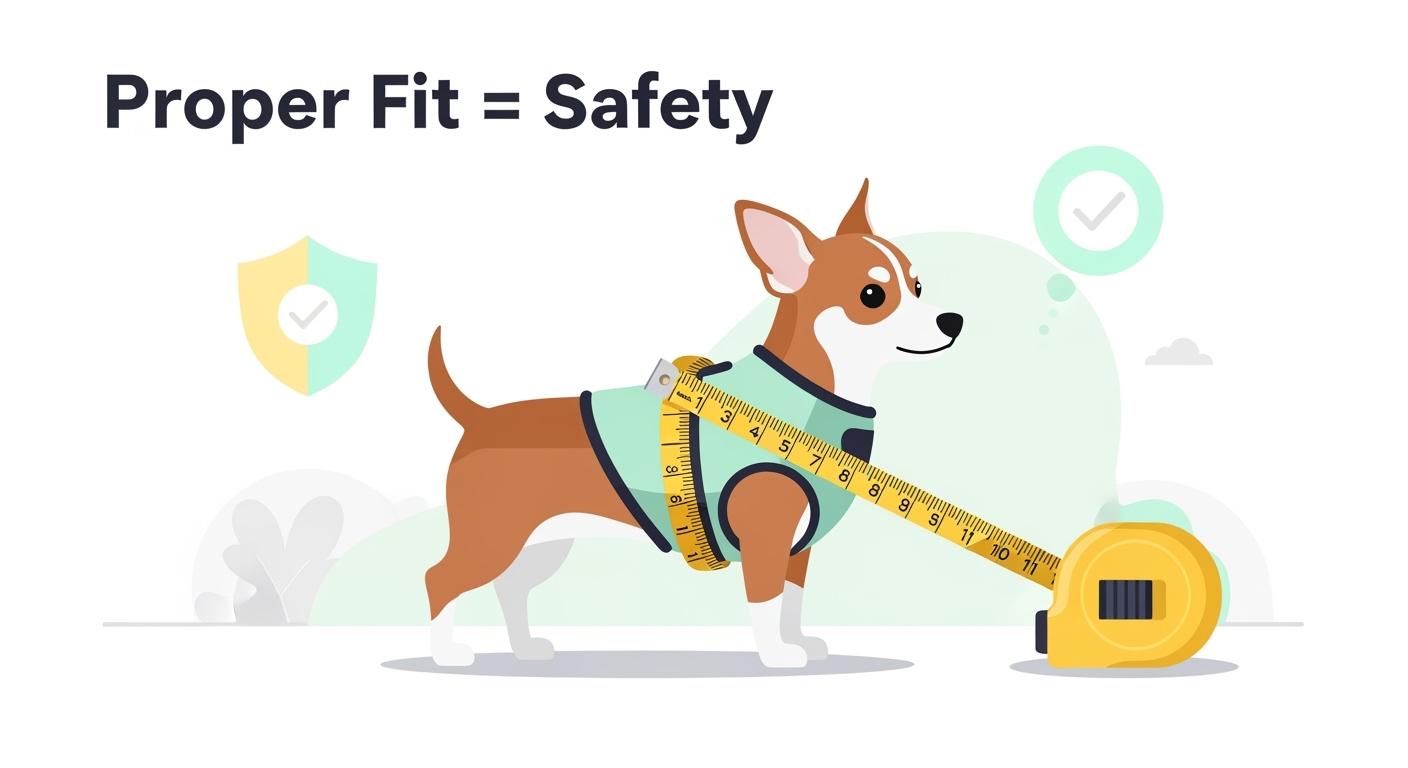
Measure the chest at the widest part of the ribcage, usually just behind the front legs. Keep the tape flat, close to the coat, and level around the body. Then measure the neck opening area where the harness will sit, not high at the throat. If the size chart also asks for back length, only use that number as a secondary check after chest fit.
A few small details make these numbers more useful:
- Measure while your dog is standing naturally, not sitting or curled.
- Smooth down long or fluffy coat before measuring.
- If your dog is between sizes, compare adjustment range and panel shape, not just the label.
- For vest styles, check that the panel will sit behind the front legs instead of covering the armpit area.
Size labels such as XS or S are only starting points. The better check is whether the chest fits securely, the neck opening stays away from the throat, and the vest leaves the shoulders free to move.
Use the one-finger check and a short movement test
After you adjust the harness, slide one finger under the main straps or vest edge. You want light contact without pinching and without a large gap. This is not a lab standard. It is a simple at-home check that helps you spot obvious tightness or looseness before regular use.
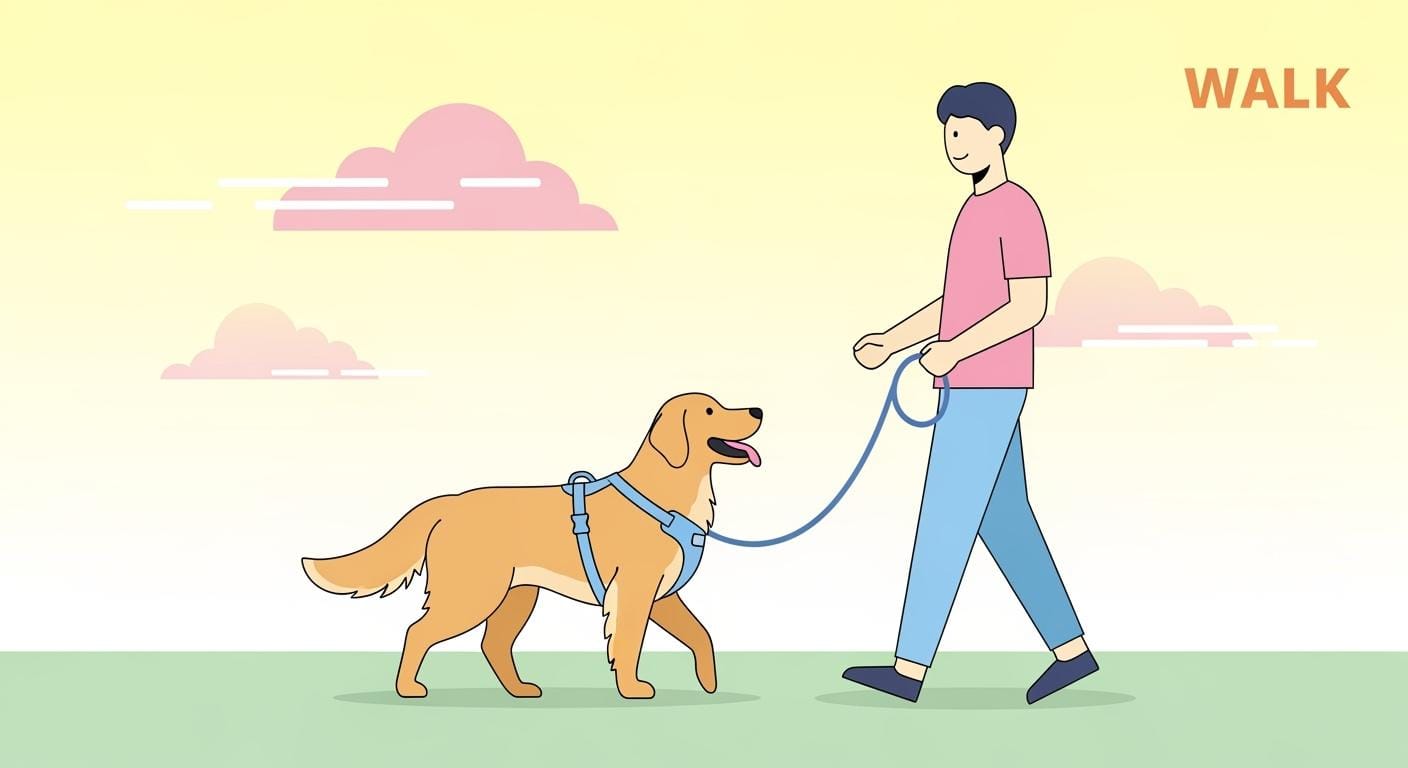
Then do a quick movement test in the house, hallway, or driveway. Watch for these pass or fail signs:
| Check | Pass | Fail |
|---|---|---|
| Passform im Brustbereich | Vest sits flat and centered | Vest rolls, twists, or slides to one side |
| Neck opening | Stays below the throat and away from the jaw | Rides upward when the leash tightens |
| Shoulder movement | Dog walks naturally and lowers the head comfortably | Short steps, hesitation, or stiff movement |
| Freiraum unter den Achseln | Vest edge stays clear of rubbing points | Panel or strap touches the armpit while walking |
| After-walk check | No warm spots, rubbing, or red marks | Hair flattening, rubbing, or visible discomfort |
Recheck the fit after the first few outings and again after washing. Soft vest panels and straps can settle slightly, especially on very small frames.
Ideal vest features for comfort and everyday use
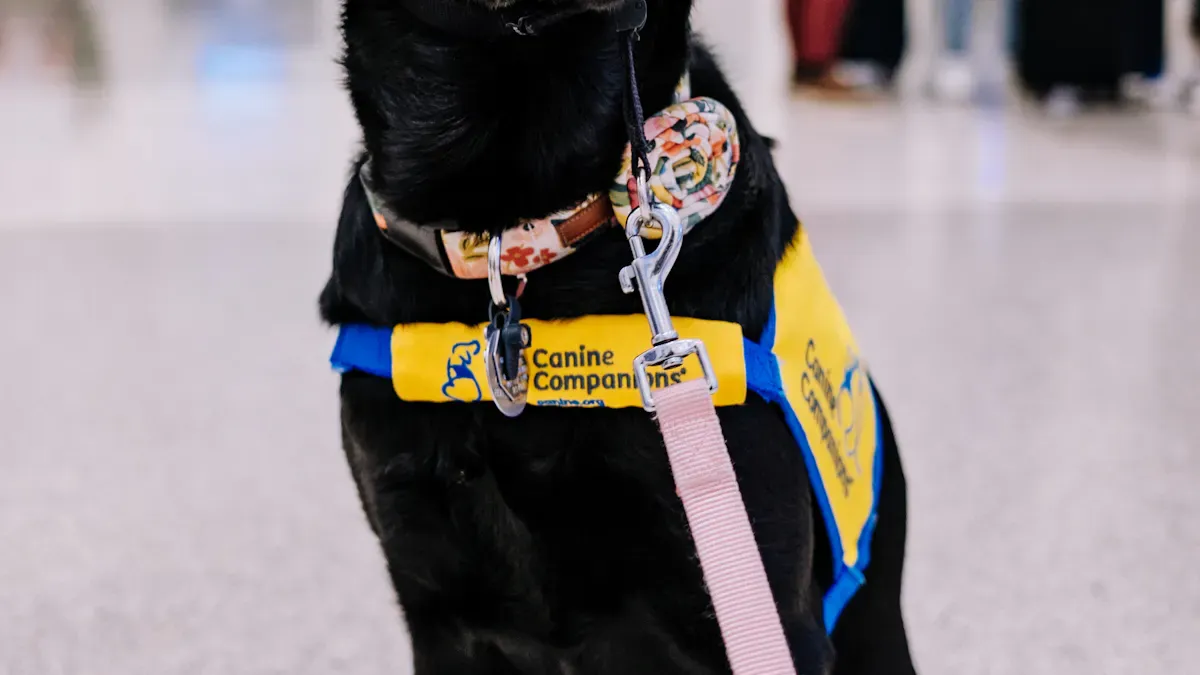
Choosing the right harness for your small dog means looking beyond size. A good vest should stay centered, feel low-bulk on the body, and remain easy to adjust without crowding the shoulders or rubbing behind the front legs.
Low-bulk shape and useful adjustment points
Small dogs usually do better with a vest that follows the chest closely instead of covering too much of the shoulder or side body. Look for a panel shape that stays behind the shoulder and a chest section that does not hang low between the front legs. At least two meaningful adjustment points help you fine-tune the fit without over-tightening the whole harness.
Breathable fabric, smooth edges, and light hardware
Material choice matters most in daily comfort. For warm weather, longer coats, or frequent walks, choose a vest that releases heat easily and dries without feeling stiff. Smooth edge finishing matters just as much as fabric choice because rough binding is often what causes rubbing on a small frame.
| Feature | What to check | Why it matters |
|---|---|---|
| Vest panel shape | Does it stay off the armpit and front shoulder? | Helps reduce rubbing and restricted steps |
| Adjustment range | Can you fine-tune chest and neck separately? | Makes a closer fit easier on small frames |
| Breathability | Does the fabric feel airy after a short walk? | Helps reduce trapped heat and dampness |
| Edge finish | Are seams and borders soft against the coat? | Often matters more than thick padding |
| Hardware weight | Do clips and rings feel proportionate to a small dog? | Too much hardware can make the vest feel bulky |
Common fit mistakes and quick fixes
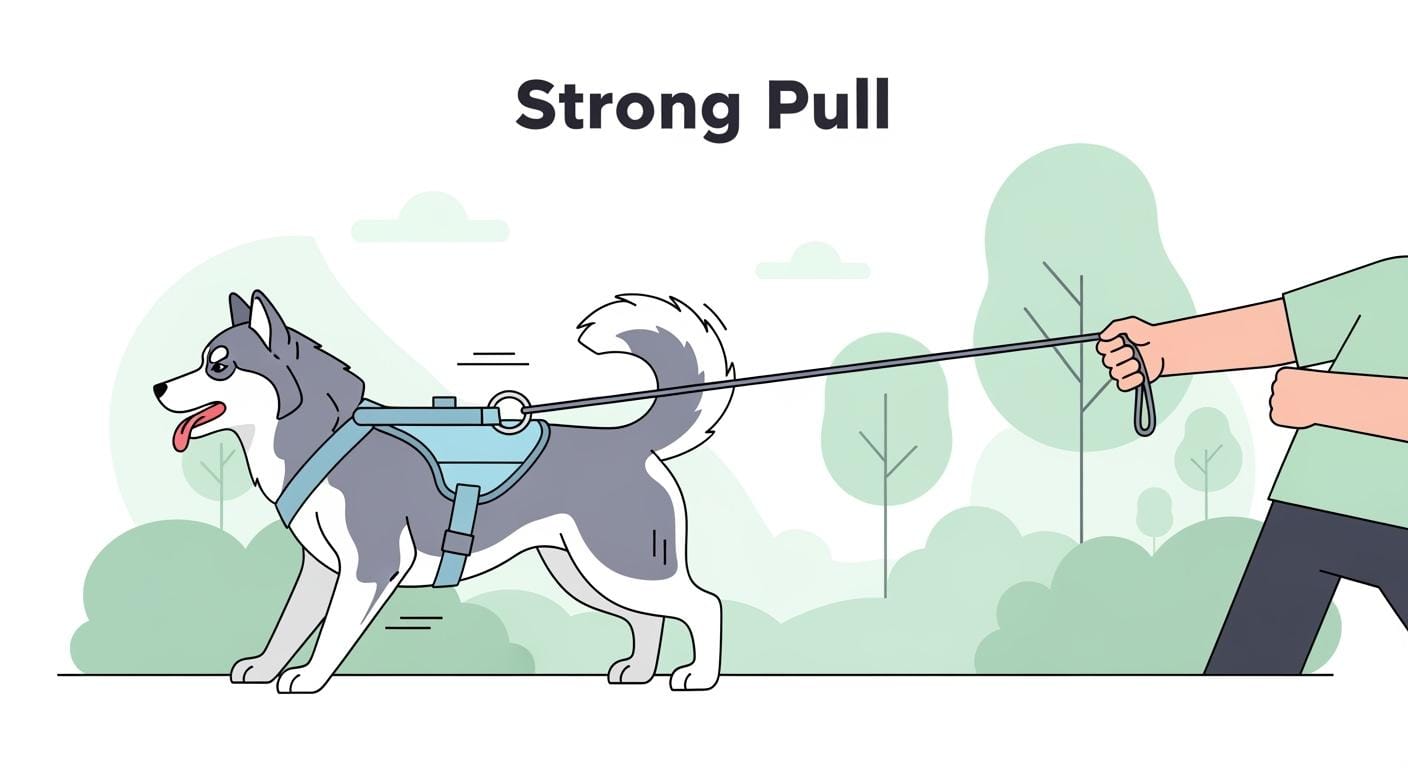
Most fit problems come from one of three issues: buying by label alone, leaving too much extra room for “growth,” or skipping the first short walk recheck. These mistakes often show up quickly as shifting, rubbing, or easy backing out.
| Problem | Likely cause | What to do |
|---|---|---|
| Vest slips backward | Chest is too loose or the panel is too long | Tighten the main chest fit or try a shorter vest shape |
| Dog resists walking | Shoulder crowding or low underarm clearance | Reposition the vest and check shoulder freedom again |
| Harness twists to one side | Uneven strap adjustment or oversized panel | Reset both sides from the same starting point |
| Visible rubbing after use | Rough edge finish, bulk, or friction near the armpit | Choose a softer edge or a lower-bulk layout |
| Easy back-out when startled | Neck opening too loose or chest fit not secure enough | Recheck both openings before outdoor use |
A harness can feel fine for one minute and still fail during a real walk. The better test is a short outing, then a hands-on recheck for shifting, rubbing, and loosened adjustment points.
This content is general product-fit guidance, not medical advice. If your dog coughs, limps, shows pain, or develops skin irritation, stop use and ask your veterinarian for individual advice.
FAQ: small dog harness vest fit and comfort
How tight should a small dog harness vest feel?
Aim for light contact rather than pinching. You should be able to slide one finger under the strap or vest edge, and the harness should stay centered during a short walk.
Can I choose by weight or breed alone?
No. Weight and breed can help narrow options, but chest girth, neck opening, and body shape are more reliable for fit.
What signs mean the vest is not working well?
Watch for twisting, rubbing behind the front legs, the neck opening riding upward, hesitation while walking, or easy backing out when the dog reverses.
How often should I recheck the fit?
Recheck after the first few walks, after washing, and any time your dog’s coat, weight, or body condition changes enough to affect how the vest sits.
The best small dog harness vest is the one that fits your dog’s chest securely, leaves the shoulders free, and stays comfortable after a real walk. Measure first, adjust carefully, and use a short walk plus recheck before making it part of your daily routine.