A treat bag works best when it helps you reward quickly without turning into a source of stale treats, greasy crumbs, or accidental overfeeding. Most storage problems start small: treats stay in the pouch too long, soft pieces leave residue in the corners, or you keep refilling the bag without checking what is already inside. A better routine keeps treats fresher, makes cleanup easier, and helps you stay more consistent during training.
That usually starts with choosing a practical treat pouch and then using it in a way that matches how often you train, what kind of treats you carry, and how quickly you can clean and refill it.
Why treat bag storage affects both freshness and training
A treat bag is handled often, opened constantly, and exposed to crumbs, oils, moisture, and outdoor dirt. That means poor storage habits show up quickly. Treats start smelling off, the inside becomes sticky, or you stop trusting what has been sitting in the pouch for too long. Once that happens, training gets less efficient because you spend more time checking the bag and less time rewarding well.
What good treat storage should do
- Keep treats fresh enough that they still feel worth using.
- Make it easy to portion rewards before the session starts.
- Reduce odor, residue, and crumb buildup inside the pouch.
- Help you avoid carrying more treats than you really need.
What usually causes trouble
- Leaving leftover treats in the bag between sessions.
- Mixing dry and soft treats without thinking about moisture or residue.
- Refilling the pouch before emptying and wiping it out.
- Using a bag that is awkward to clean, so cleanup gets skipped.
Quick rule: if you cannot remember how long the treats have been sitting in the pouch, it is time to empty, inspect, and reset the bag before the next session.
How to portion treats so training stays cleaner and more controlled
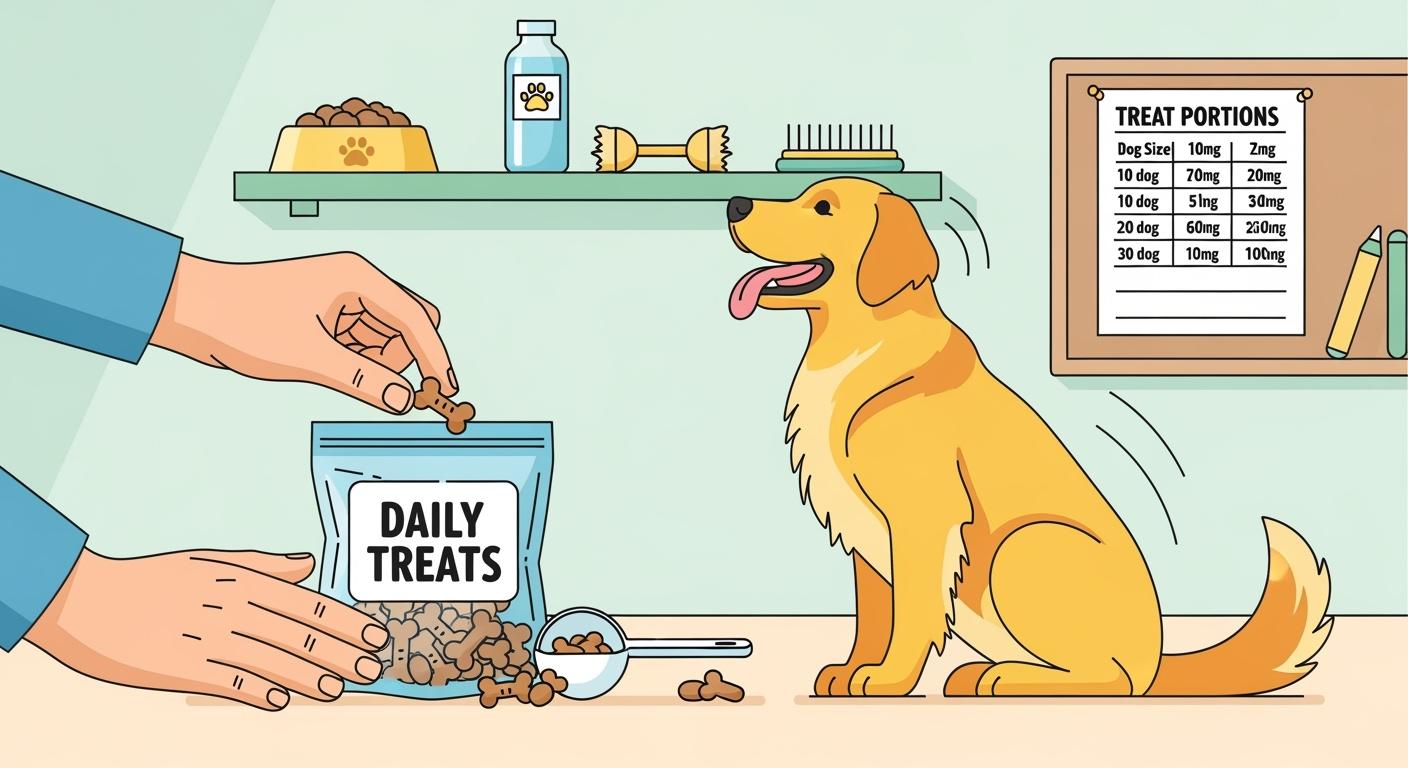
Portion control is not only about calories. It also keeps the pouch cleaner, reduces waste, and makes reward timing easier because you are carrying what you actually plan to use rather than an undefined handful of extra treats. A bag that is lightly and intentionally packed usually performs better than one that is always overfilled.
Use this simple portion routine
- Decide how long the session will be before you fill the pouch.
- Choose treats that match the session, not every treat you own.
- Pre-portion only what you expect to use for that one outing.
- Keep extra treats separate instead of overloading the bag.
- Empty out leftovers after training rather than letting them sit inside.
| Training habit | What helps | What usually goes wrong |
|---|---|---|
| Short practice sessions | Small pre-portioned amount | Overfilling the bag and carrying stale leftovers later |
| Outdoor walks | Easy-access treats that do not crumble badly | Loose crumbs mixing with dirt and moisture |
| High-value rewards | Separate handling and faster post-session cleanup | Greasy residue left in the pouch too long |
| Frequent daily training | Repeatable refill-and-clean routine | Using the same bag all week without checking contents |
A simple portion plan is also easier to stick to when the pouch fits naturally into a steady walking and training routine instead of being loaded differently every single session.
How to store treats safely inside the bag without creating odor or spoilage
Not every treat behaves the same way in a pouch. Dry treats are usually easier to carry for longer sessions. Softer treats often work well for motivation, but they can leave more moisture and residue behind. The main goal is to match the treat type to the bag’s material and your cleaning habits, rather than assuming all treats store equally well.
Practical storage habits that help
- Use dry or less messy treats when you need the pouch to stay cleaner longer.
- Carry softer treats for shorter sessions and clean the bag sooner afterward.
- Keep the pouch closed when not actively rewarding.
- Store extra treats outside the pouch instead of packing too much inside.
What to check before reusing leftover treats
- Look for moisture, unusual smell, or surface change.
- Check whether crumbs or residue have built up around the lining.
- Notice whether the pouch stayed sealed or was left partly open.
- Throw out anything you are no longer confident using.
If you are unsure whether the main problem is storage, access, or daily cleanup, it helps to compare the setup against a fuller guide to treat pouch access and spill control before replacing the pouch too quickly.
Cleanup habits that keep the pouch usable over time
The easiest pouches to live with are the ones you can reset quickly after training. That means not waiting until odor is obvious. A fast empty-check-wipe routine usually prevents most of the sticky buildup and stale smell that make treat bags unpleasant to use later.
Use this fast cleanup checklist
- Empty out leftover treats after each session.
- Shake out crumbs before they settle into the corners.
- Wipe the lining if the treats were oily, soft, or damp.
- Leave the pouch open long enough to dry fully.
- Inspect closures, seams, and inner corners before refilling.
Signs the bag needs more than a quick wipe
- Odor returns quickly after cleaning.
- The lining feels sticky or greasy even when empty.
- Crumbs stay trapped in the same folds or corners.
- The pouch feels more annoying to clean every week.
A good treat bag should make rewards easier to deliver and easier to manage afterward. If the pouch stays messy, smells bad, or keeps causing uncertainty about what is inside, the setup is not really supporting training as well as it should.
Häufig gestellte Fragen
Should I leave treats in the bag between training sessions?
It is usually better to empty them out after the session, especially if the treats are soft, oily, or the pouch has picked up dirt or moisture during use.
What is the biggest storage mistake with treat bags?
One of the biggest mistakes is refilling the pouch again and again without emptying, checking, and cleaning what was already inside.
How do I keep the pouch from smelling bad?
Use only the treats you need, empty leftovers after training, wipe the lining when needed, and let the pouch dry fully before refilling it.
Are soft treats harder to store safely in a treat bag?
Yes, they often need more attention because they leave more moisture and residue behind. They can still work well, but the pouch usually needs faster cleanup afterward.
When should I replace the treat bag instead of cleaning it again?
Reassess when odor keeps returning, the lining stays sticky, crumbs remain trapped in the same places, or the pouch has become more trouble to keep clean than it is worth using.