A folding elevated dog bed makes the most sense when you want a raised sleep surface that dries fast, shakes clean easily, and stores without taking over the room. It usually works better than a plush floor bed for muddy paws, damp ground, and outdoor trips, but it is not the right match for every dog.
The main things to judge are bed height, frame stability, fabric tension, and how quickly your dog settles on it. Those same tradeoffs show up in outdoor dog bed sizing and weather features, especially when one bed needs to move between the patio, campsite, and home.
Das Wichtigste in Kürze
- A folding elevated dog bed usually works best when cleanup, airflow, and portability matter more than plush cushioning.
- It is a strong fit for dogs that track in dirt, spend time outdoors, or sleep hot on thick padded beds.
- The most common failures are unstable frames, entry height that feels too tall, fabric sag, and a surface that feels unfamiliar.
- Do not size by weight alone. Check how your dog actually lies down, turns, and gets on and off.
- If your dog needs a lower, softer, or more supportive rest surface, another bed style may be easier to use every day.
When a folding elevated dog bed earns its space
A folding elevated dog bed is usually easiest to justify when your routine is messy, mobile, or warm. The raised surface keeps the sleep area off wet grass, dusty patios, and damp concrete. Hair, leaves, and loose dirt are often easier to shake off than they are from a stuffed cushion, and the airflow underneath can help some dogs stay more comfortable in hot weather.
That matters most for dogs that spend time on decks, in backyards, at sports fields, or on weekend trips. If your use case leans toward overnight travel, dog bed for camping warmth and cleanup tradeoffs become more important than looks alone, because damp ground and packability start to drive the decision.
A folding design also helps when you do not want a large bed left out all the time. You can open it for rest time, fold it after cleanup, and move it between spaces with less effort than a bulky foam bed. If shade matters as much as airflow, an elevated outdoor dog bed with canopy shows the kind of setup that adds weather coverage but takes a little more room.
| Bed Type | Best At | Main Tradeoff | Usually Best For |
|---|---|---|---|
| Folding elevated dog bed | Airflow, cleanup, portability | Can feel firm or too high for some dogs | Outdoor use, warm weather, muddy routines, travel between spaces |
| Padded floor bed | Softness, low entry, den-like rest | Holds dirt, moisture, and odor more easily | Indoor lounging, dogs that prefer soft surfaces, lower step-up needs |
| Dog car seat bed | Defined travel spot inside the vehicle | More setup limits and more visible mess in daily car use | Rear-seat comfort during routine drives |
What gets annoying after real use
The first problem is usually not cleaning. It is acceptance. Some dogs step onto a raised bed right away, while others hesitate, brace at the edge, or step off after a few seconds. The same body-language patterns behind why some dogs avoid raised beds can help you tell whether the issue is confidence, surface feel, height, or wobble.
After that, the most frustrating problems are practical ones. A folding elevated dog bed can become a bad daily choice when:
- The frame shifts on tile, sealed concrete, or hardwood.
- The bed surface sags enough that elbows or hips drop too low.
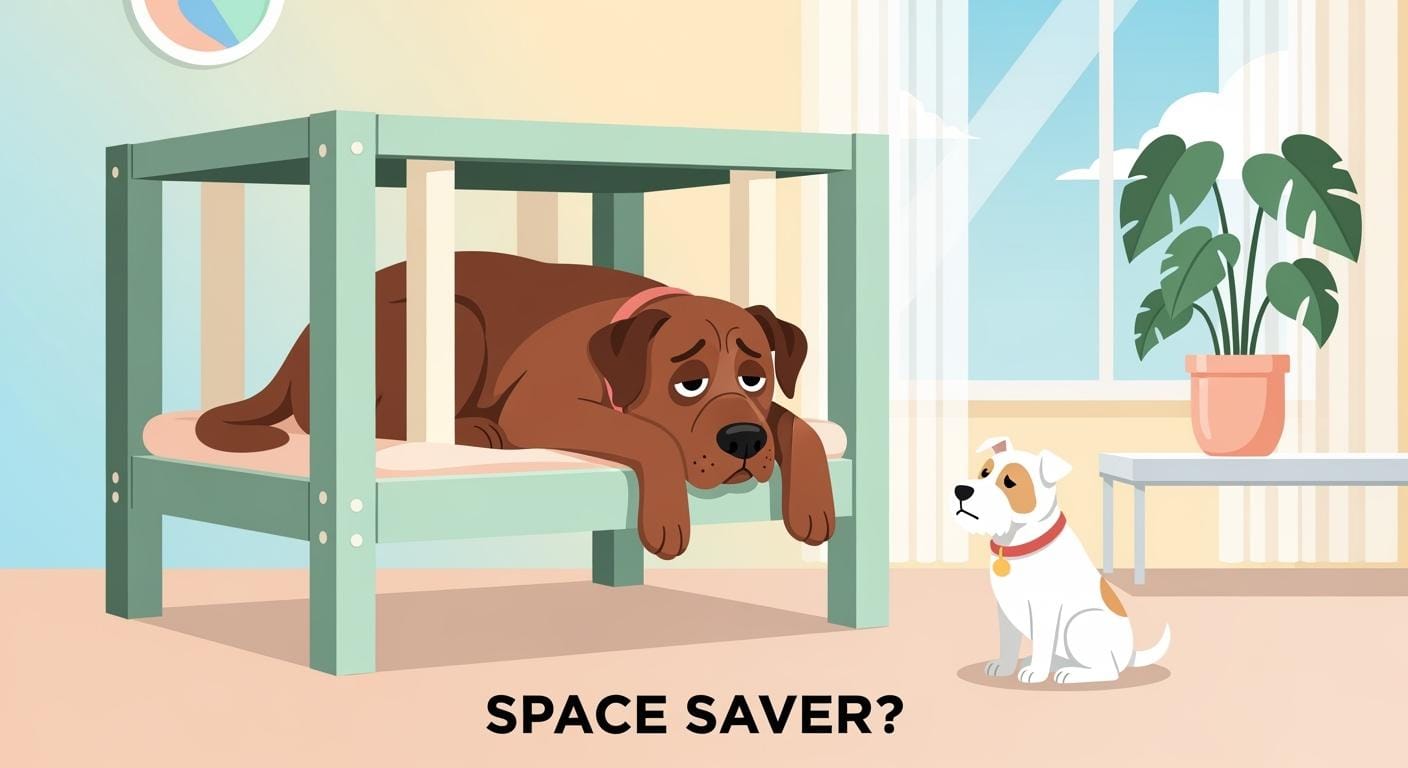
- The step up feels awkward for a small, stiff, or cautious dog.
- The bed is narrow, so your dog hangs over the edge when turning.
- Setup feels annoying enough that you stop using it between trips.
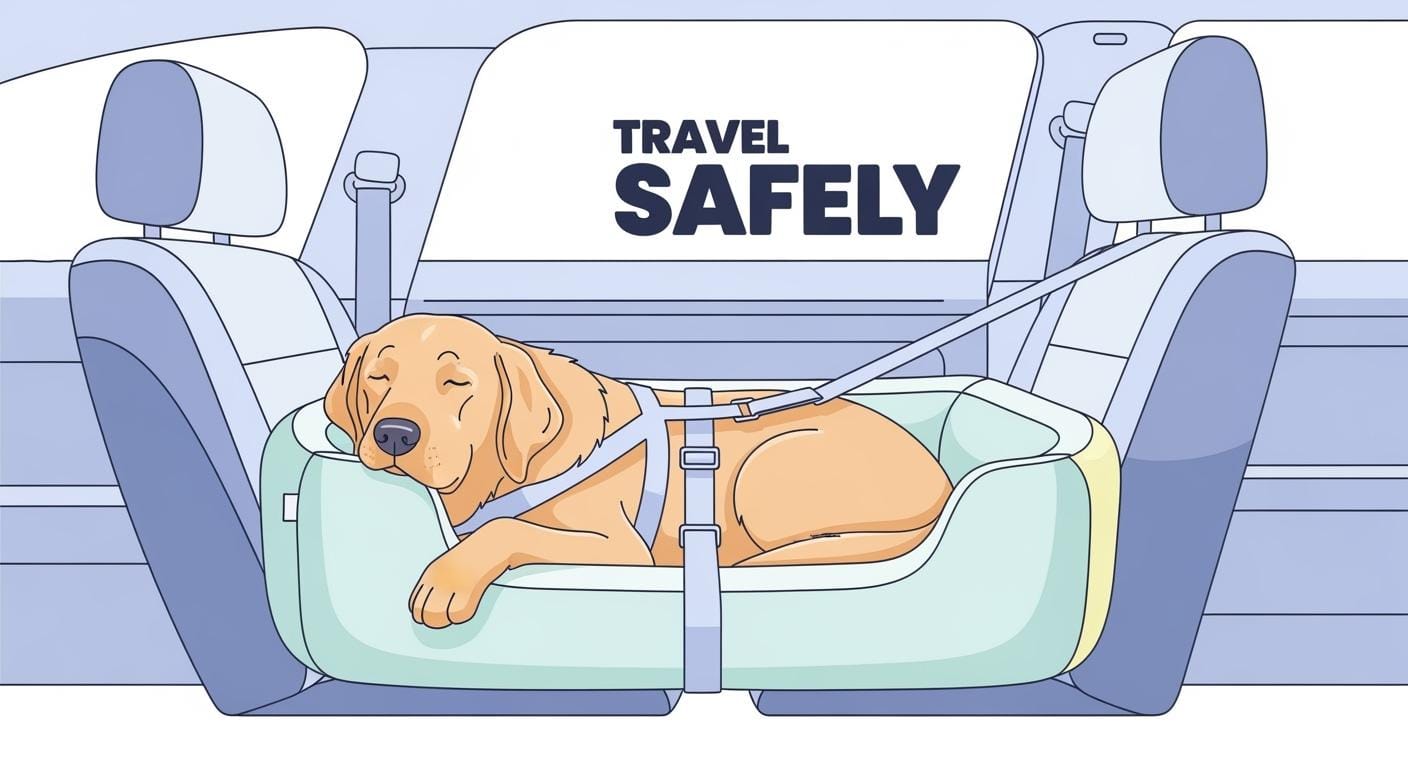
Note: A folding elevated dog bed can define a cleaner travel rest spot, but it does not secure a dog in a moving vehicle.
None of those issues are rare, and none are fixed by a good-looking frame alone. If your dog looks uncertain, always watch the first few entries and exits instead of assuming the bed will become comfortable with time.
Quick fixes for common problems
| Symptom | Mögliche Ursache | Fast Check | Beheben |
|---|---|---|---|
| Dog hesitates before stepping up | Bed feels too high or unstable | Watch the first paw placement and frame movement | Lower the setup if possible or place it on a more stable surface |
| Dog leaves after a minute or two | Surface feels unfamiliar, firm, or noisy | Notice whether your dog circles, tests the edge, or stands instead of settling | Add a light familiar layer without making the surface slippery |
| Frame slides during entry | Poor grip under the feet | Push the empty bed side to side by hand | Use a non-slip mat underneath or move to a grippier surface |
| Middle of bed dips too far | Fabric tension is too loose or size is too large for the dog’s position | Check hip and shoulder support after the dog lies down | Retension if the design allows, or move to a firmer size or style |
| Bed stays dirty around the frame | Dirt collects in corners, joints, or fabric seams | Inspect connection points after outdoor use | Choose simpler frame geometry if fast cleanup matters most |
How to tell whether the fit is right
Do not buy a folding elevated dog bed by weight label alone. Watch how your dog sleeps when relaxed. A stretcher needs more usable surface than a tight curler, and a cautious dog may care more about entry height than total bed length. If you are sizing for a heavier or long-bodied dog, large dog elevated bed fit checks make the width, support span, and step-up questions easier to judge before you commit.
A good fit should let your dog step on without hopping, turn without crowding the corners, and lie down without the frame feeling tippy. You also want enough tension that the body stays supported, but not so much tightness that the bed feels harsh and uninviting.
Pass or fail signals worth checking
| Artikel prüfen | Signal weiterleiten | Fehlermeldung | Next Step |
|---|---|---|---|
| Entry height | Dog steps on and off smoothly | Dog braces, hops, or avoids one side | Look for a lower profile or easier placement |
| Surface stability | Frame stays quiet and planted during movement | Rocking, skidding, or clicking makes the dog pause | Test another floor surface or a steadier frame |
| Usable size | Dog can stretch, curl, and turn without hanging off | Feet, hips, or shoulders crowd the edge | Move up in usable platform area, not just stated weight range |
| Fabric support | Body looks supported with only light give | Center dips deeply under the chest or hips | Check fabric tension or choose a firmer style |
| Daily cleanup | Hair and dirt come off with a quick shake or wipe | Debris catches in seams and corners after every use | Choose simpler materials or fewer jointed parts |
| Dog acceptance | Dog returns to the bed voluntarily | Dog keeps choosing the floor or another bed | Recheck height, surface feel, location, and noise |
When another bed style makes more sense
A folding elevated dog bed is not automatically the best everyday answer. If your dog is older, stiff, very small, or strongly attached to a low cushioned surface, the raised frame may solve a cleanup problem while creating a comfort problem. In that case, indoor sleep and support options may fit better because the priority shifts from airflow and portability to easier entry and softer rest.
You may also want a different bed type if the main use is inside the car. A raised folding frame can be awkward on sloped rear seats, and many designs are better suited to patios, porches, campsites, and crate-adjacent rest areas than to everyday driving. If the real goal is vehicle comfort, choose around seat fit, anchoring, and cleanup instead of assuming a folding elevated dog bed will cover both jobs well.
The best version of this product is not the one with the longest feature list. It is the one your dog will actually use, that stays stable on your real floor or outdoor surface, and that still feels easy to clean after ordinary mess.
Häufig gestellte Fragen
Is a folding elevated dog bed good for indoor use?
It can be, especially in warm rooms or homes where wet paws and dirt are common, but some dogs still prefer a softer floor bed for long indoor naps.
Can a folding elevated dog bed replace a car seat or restraint?
No. It can provide a rest surface when parked or in some travel setups, but it is not a restraint and should not be treated as one.
How much larger should the bed be than my dog?
Use your dog’s relaxed sleeping position as the main reference and leave enough platform area for turning and stretching without hanging over the edge.
What if my dog refuses to use it?
Check for wobble, height, noise, and fabric feel first, then try a familiar blanket and a quieter location before deciding the raised style is the wrong match.