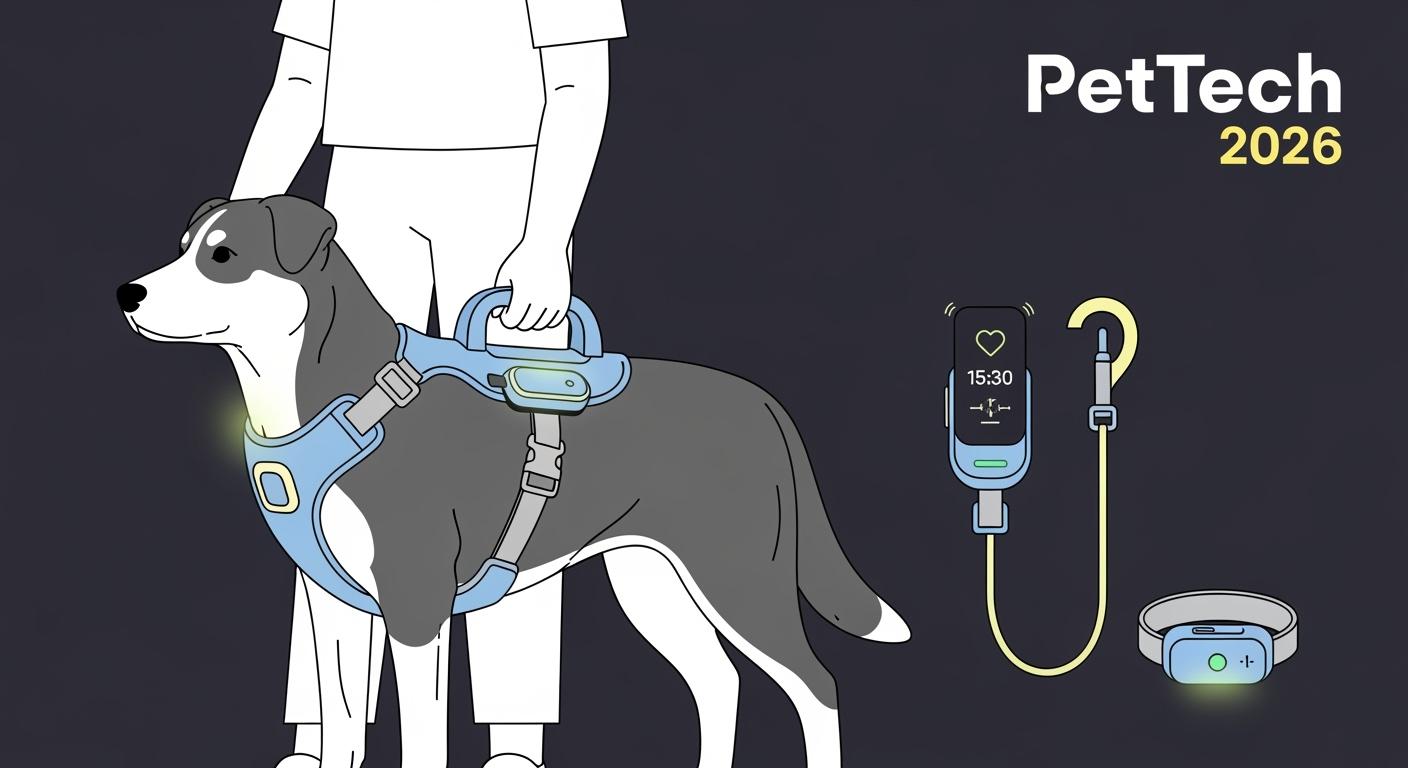
A medium dog harness with handle can make crowded walks, curb crossings, and quick close-control moments much easier. The handle is most useful when you need a short, steady grab point for a few seconds, not when you plan to hold your dog there for the whole walk.
The tradeoff is extra structure. A handle, added webbing, or a larger back panel can improve control, but too much bulk can also crowd the shoulders, trap heat, or make the harness shift off center. Dogs that surge forward often do better when the handle is paired with consistent front-clip harness training steps instead of relying on hardware alone.
Das Wichtigste in Kürze
- A handle helps most with short control moments, tight spaces, and quick assistance, not as a full-time walking grip.
- The best fit stays centered, clears the shoulders, and lets your dog keep a normal stride.
- Extra padding is not always better. Medium dogs usually do best in a harness that feels stable without feeling heavy.
- If the harness causes rubbing, twisting, or shorter steps, the problem is usually fit, bulk, or panel shape rather than the handle alone.
When the handle actually helps
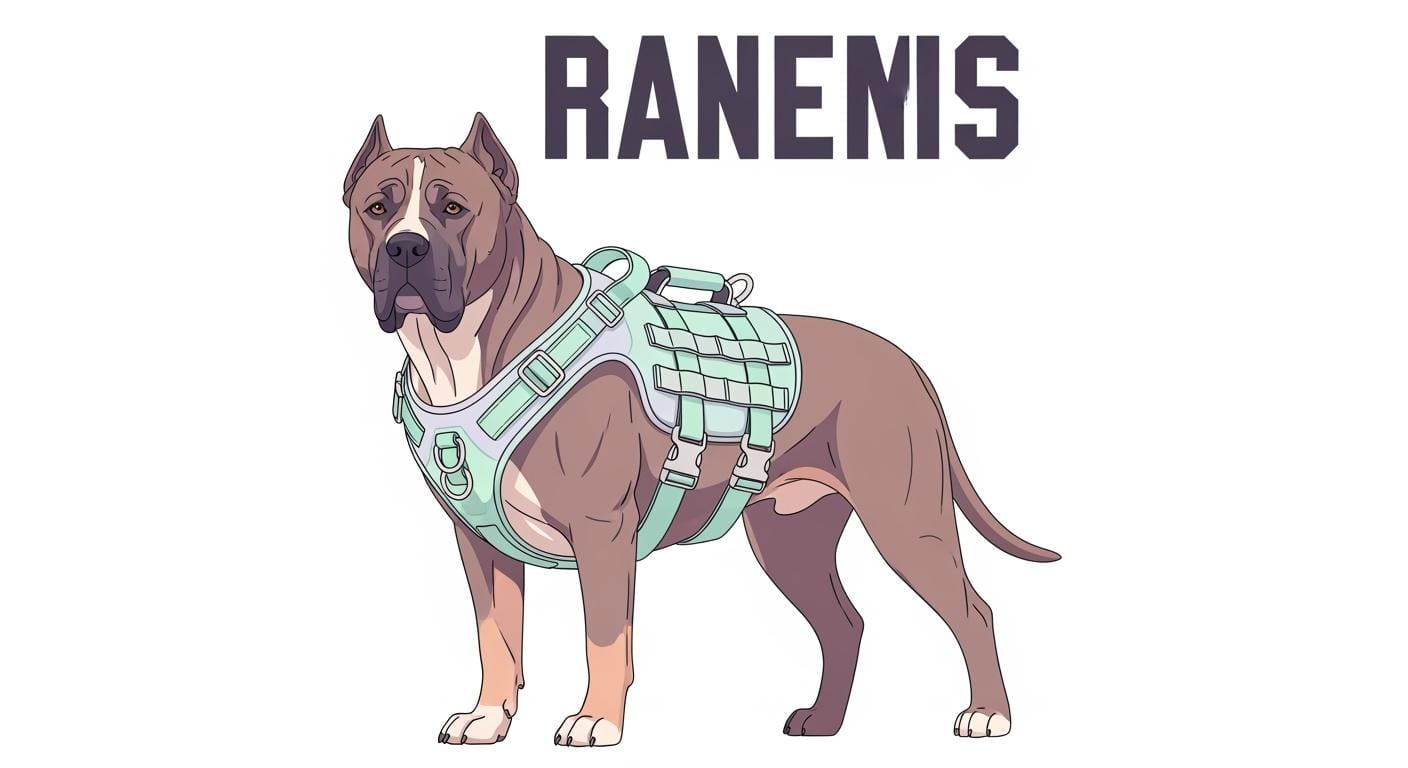
The handle earns its place when it solves a real handling problem. Busy sidewalks, parking lots, stairways, narrow trail sections, and quick stops near other dogs are common examples. It can also help a medium dog step into a car, get over a small obstacle, or stay close during a brief high-distraction moment.
That does not mean every medium dog needs one. Calm dogs on predictable neighborhood walks often do fine in lighter harnesses without a top handle. The more often you need quick physical control, the more worthwhile the handle becomes.
| Situation | Why the handle helps | What to watch for |
|---|---|---|
| Street crossings and crowded areas | Lets you keep your dog close for a few seconds | Handle should lie flat and not bounce into the leash |
| Excited greetings or sudden distractions | Gives a quick control point before the dog builds momentum | Harness should stay centered when you lift lightly |
| Car entry or small obstacles | Helps guide the dog’s body without pulling at the neck | Do not rely on the handle to suspend full body weight |
| Dogs needing mild assistance | Can add stability for short, careful support | Stop if the dog shows pain, stiffness, or reluctance |
Short control is the real use case
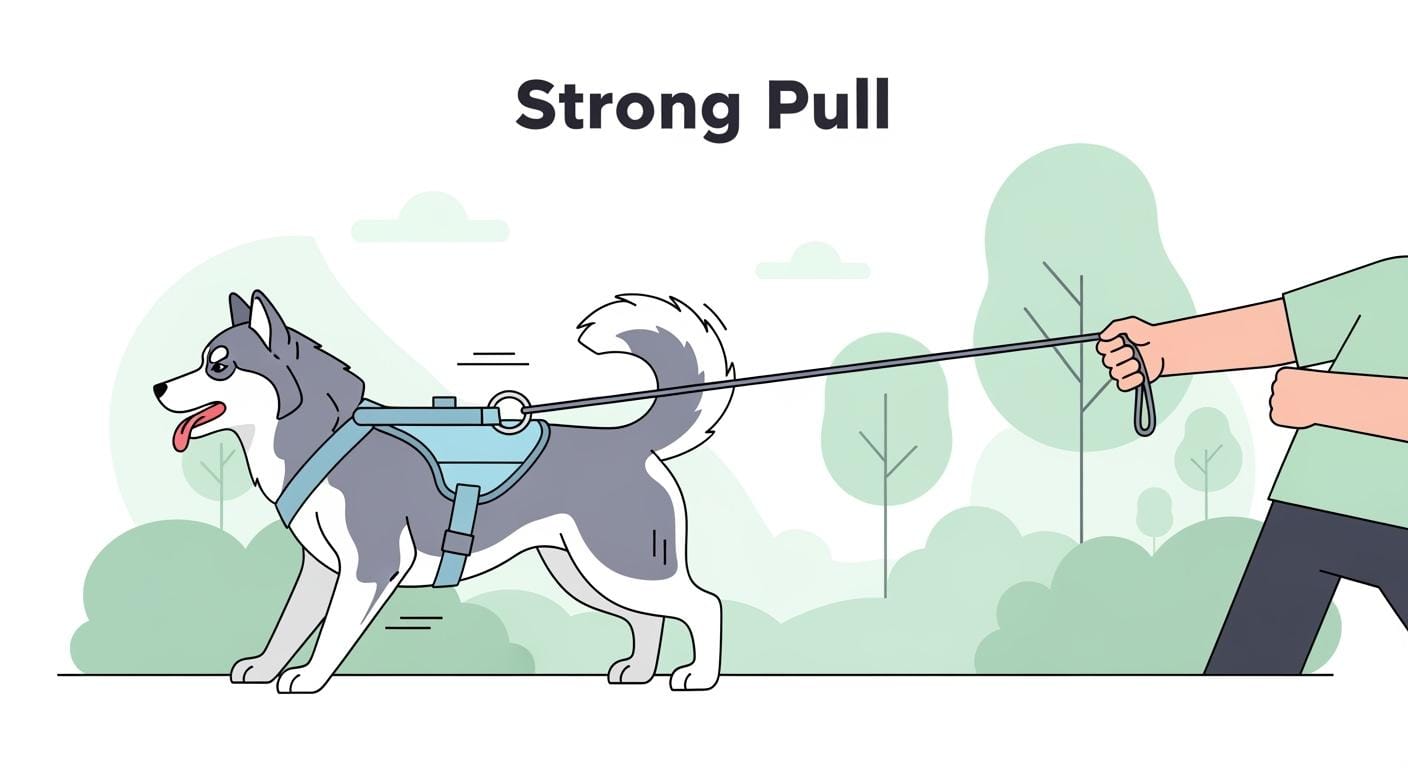
A well-placed handle gives you a cleaner grip than grabbing loose webbing or reaching for the collar. That is especially useful with a medium dog that is strong enough to pull off balance but small enough that handlers are often tempted to over-control. The safer pattern is brief intervention, then release once the moment passes.
If you need the handle constantly just to finish a normal walk, the bigger issue is usually fit, pulling behavior, or harness choice. Realistic quick results versus training timelines help set expectations, because a handle can improve control before loose-leash habits improve.
Note: If you use a handle to assist a dog with pain, weakness, or mobility changes, stop if you see discomfort and ask your veterinarian how much support is appropriate.
How to tell when the extra bulk is too much
The earliest warning sign is usually movement. A medium dog that normally walks freely may shorten stride, look stiff through the shoulders, or keep shaking the harness after a few minutes. Other warning signs include underarm rubbing, extra heat under the chest panel, or a handle that pulls the harness off line when you grab it.
A quick pass through measuring a dog for a harness is often enough to catch a size mistake before you blame the handle. Medium dogs fall into a range where chest depth, shoulder width, and panel length can change the fit a lot, even when two dogs wear the same label size.
| Check item | Pass signal | Fail signal | What to do |
|---|---|---|---|
| Position des Gurtes | Stays centered during a short walk | Slides, twists, or drifts to one side | Rebalance the straps and retest |
| Handle stability | Feels firm without shifting the body panel | Pulls the harness upward or off line | Check fit or try a lower-profile design |
| Stride and shoulder movement | Dog moves normally through turns and stops | Shortened steps or visible stiffness | Loosen, reposition, or switch to a lighter harness |
| Skin and coat condition | No hot spots or rub lines after the walk | Redness, rubbing, or hair disruption | Check panel length, strap path, and material |
| Heat buildup | Dog stays comfortable in normal weather | Harness area feels unusually warm or damp | Choose a more breathable layout |
If underarm rubbing keeps showing up, preventing harness chafing on active outings usually starts with strap path and panel length, not more padding. Thick padding can feel soft at first and still create friction once the dog starts moving.
What newer handle harness designs get right
The better handle harnesses now tend to use lower-profile padding, lighter shell fabrics, and cleaner chest shaping than older bulky models. On a medium dog, that matters because a little extra material can change how the harness sits across the shoulders and ribs.
The most useful improvements are not flashy. They are practical: a handle that folds down when not in use, multiple adjustment points that keep the chest section centered, breathable lining where the harness touches the body, and a shape that spreads pressure across the chest instead of riding up toward the throat.
| Feature | Why it matters on medium dogs |
|---|---|
| Low-profile top handle | Gives control without adding extra flop or bounce |
| Multiple adjustment points | Helps the harness stay centered on different chest shapes |
| Breathable lining | Reduces heat buildup on longer walks |
| Balanced chest coverage | Improves stability without crowding the shoulders |
| Reinforced grab area | Makes short lifts and close control feel more secure |
The details in handle-style harness sizing and hardware details matter more than marketing language. On medium dogs, the right balance is usually a harness that feels secure in the hand but visually simple on the body.
How to choose the best setup for your dog
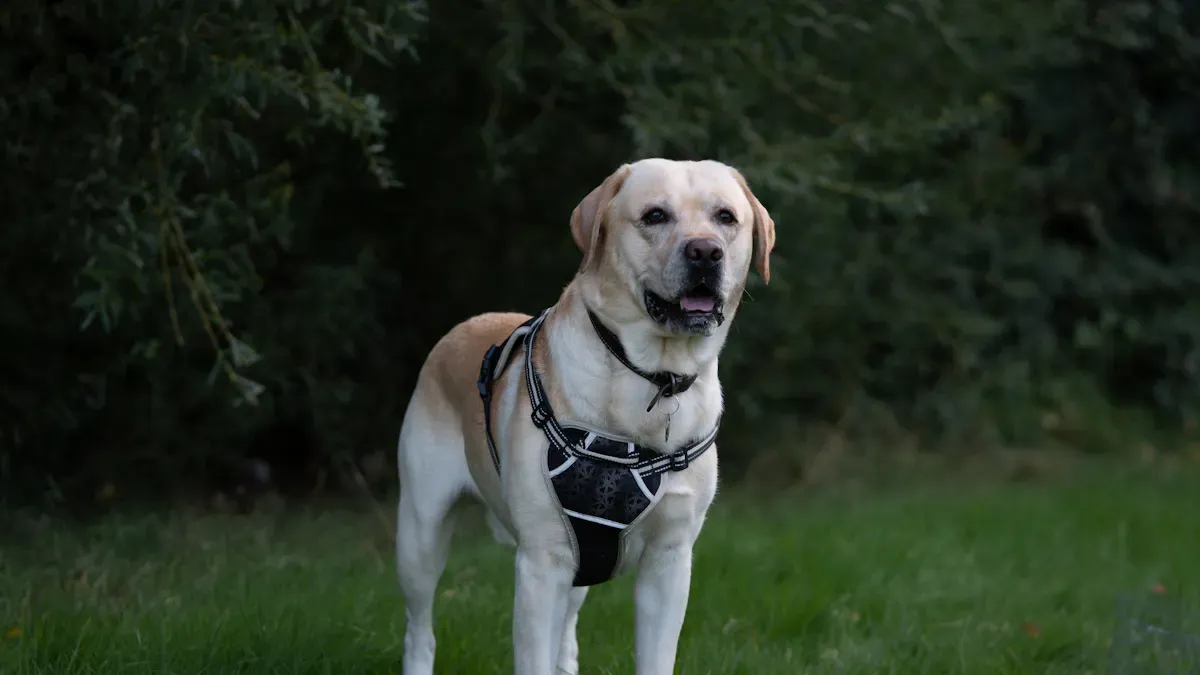
Start with your real use case, not the feature list. If your dog is calm, walks in open spaces, and rarely needs physical guidance, a lighter harness may be the better everyday choice. If your dog pulls, gets overstimulated around traffic, or benefits from quick body control in tight places, a handle becomes more useful.
Fit still matters more than the handle itself. The harness should sit clear of the throat, stay behind the armpits, and let the front legs extend naturally. Comparing dog harness styles makes it easier to see whether you need a handle at all or just a better chest shape, a front clip, or a lighter body panel.
Before keeping any model, run a short real-world test:
- Check the fit indoors, then walk outside for 5 to 10 minutes.
- Use the handle briefly once or twice and see whether the harness stays stable.
- Watch the dog’s stride, turning, and willingness to keep moving.
- Look for heat, rubbing, or damp spots after the walk.
- Retest in the kind of environment where you actually need the extra control.
The best medium dog harness with handle is the one that gives you a clean grab point without making the walk feel heavier, hotter, or more restrictive than it needs to be.
Häufig gestellte Fragen
Should you use the handle for the whole walk?
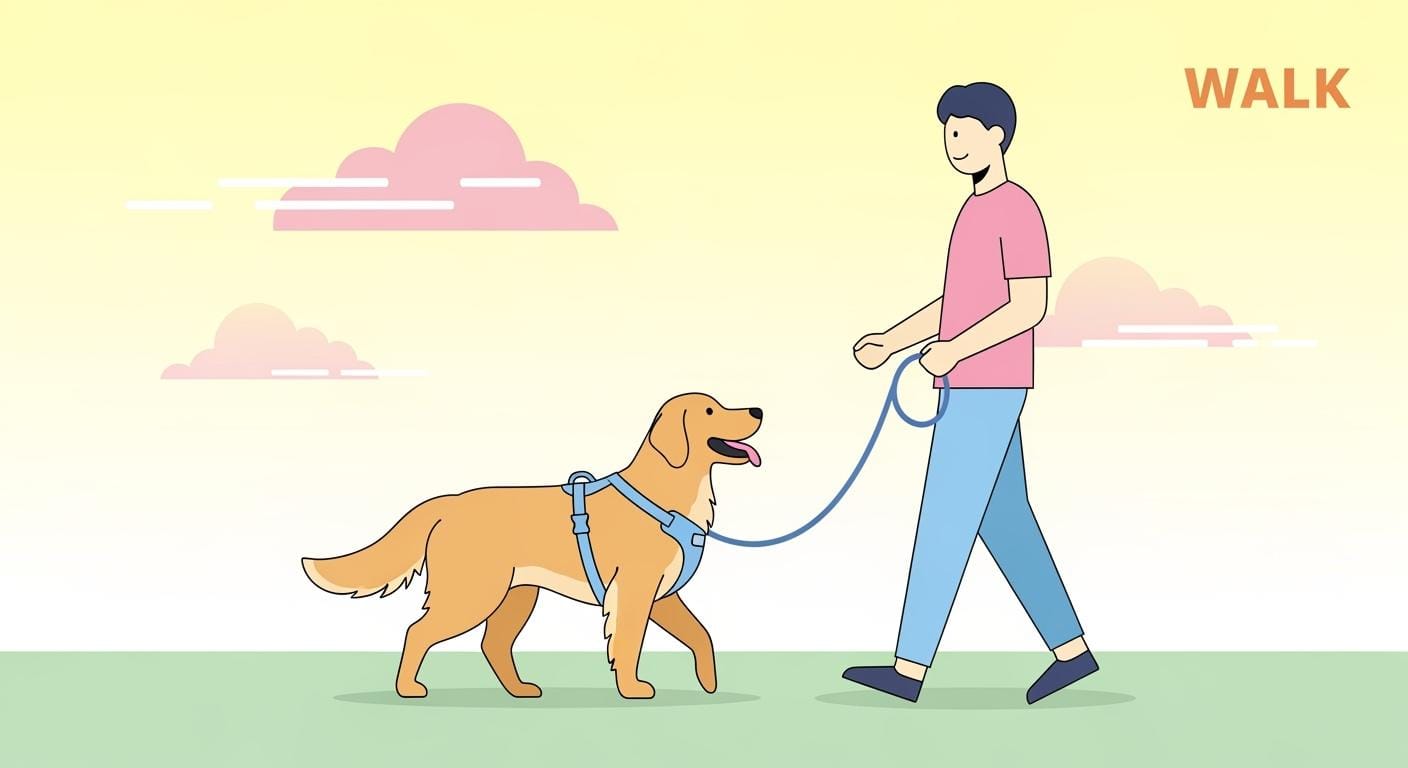
No. The handle works best for short control moments, while the leash should do most of the work during normal walking.
Can a handle harness replace training?
No. It can improve control, but most dogs still need consistent leash practice if pulling is the main problem.
How do you know a handle harness is too bulky?
Watch for shorter steps, twisting, heat buildup, rubbing, or a handle that shifts the harness when you grab it.