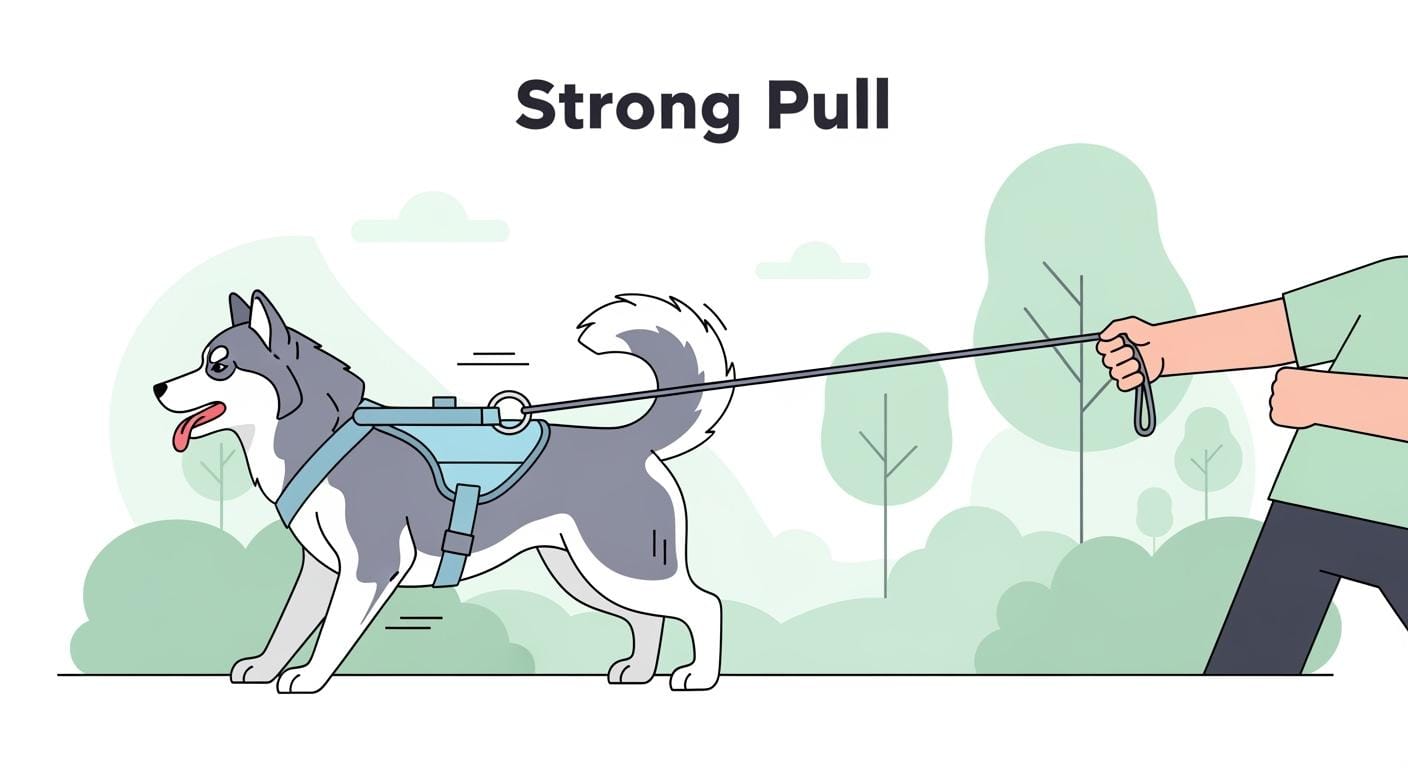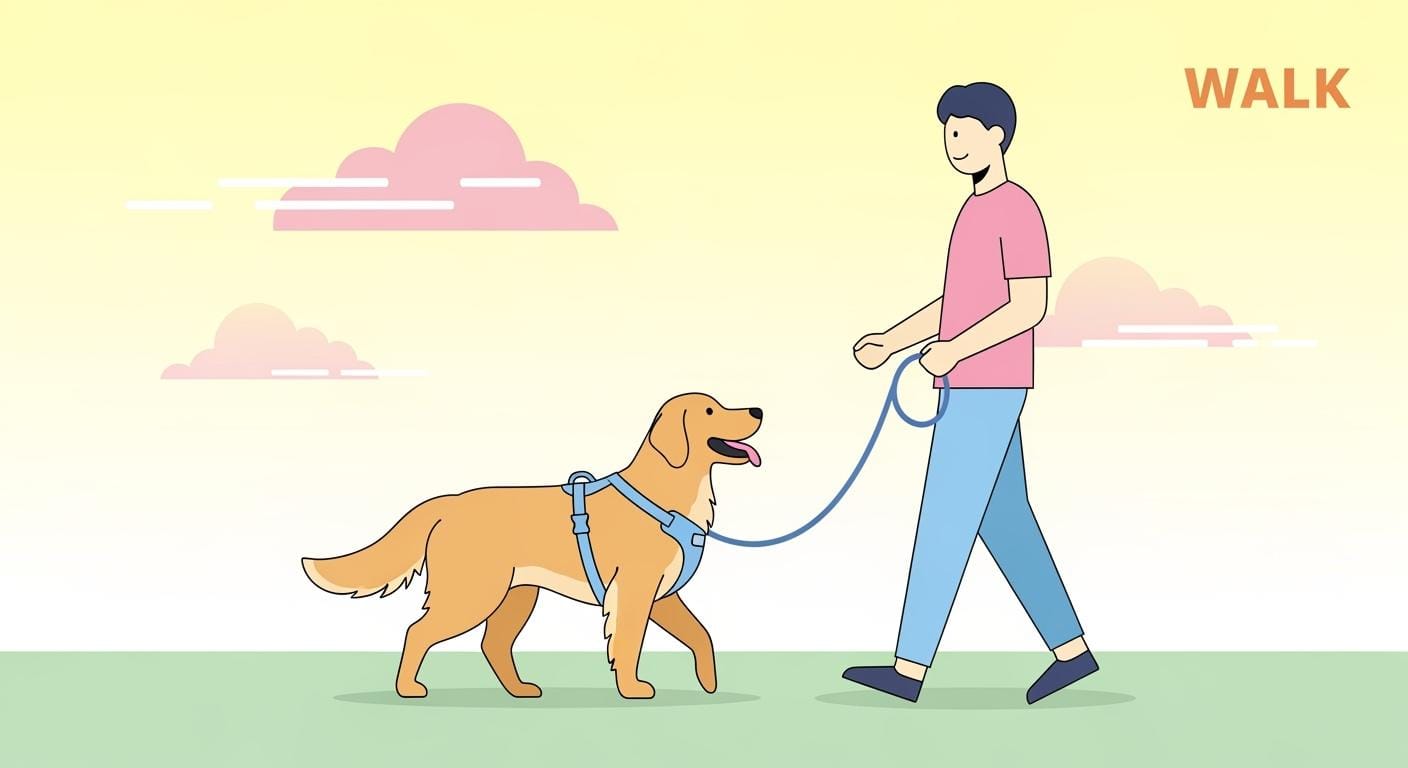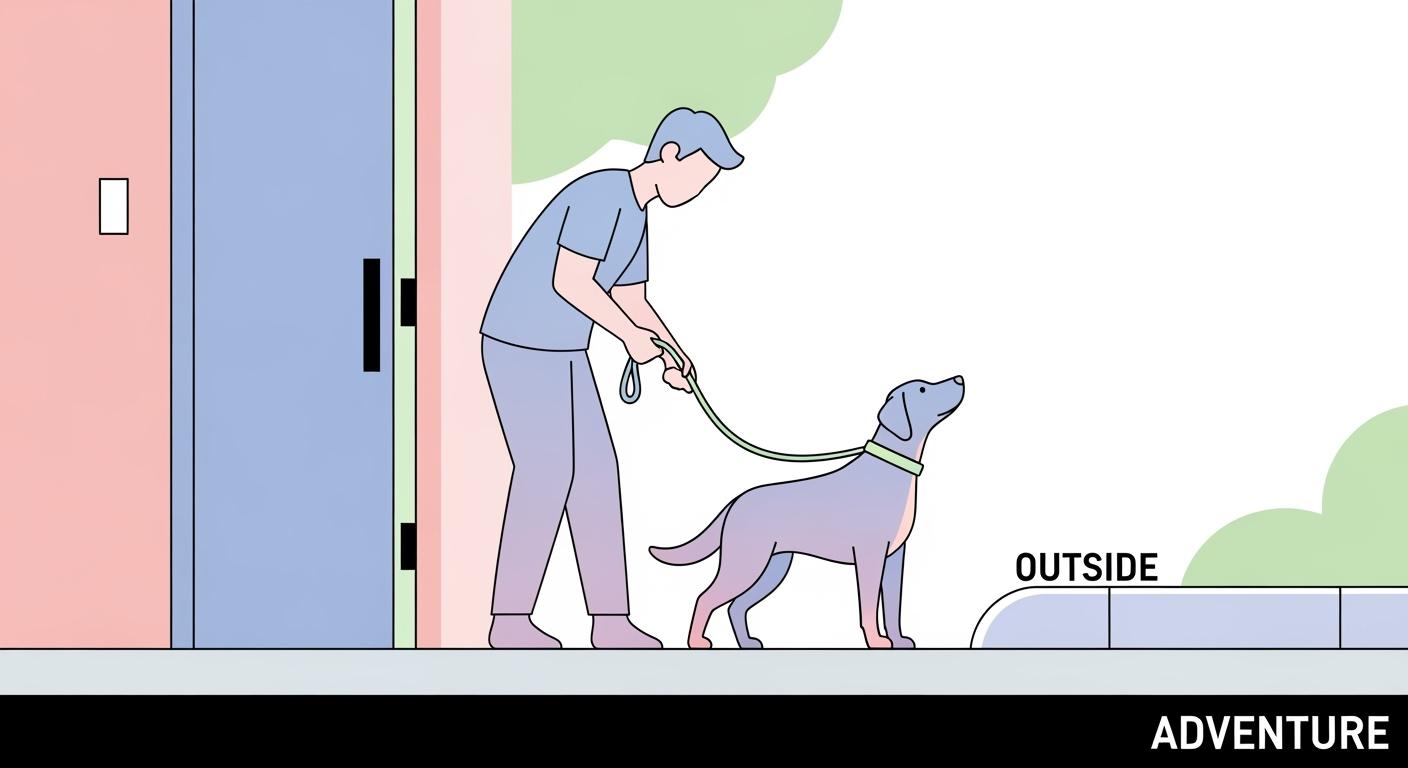
Door exits and curb stops are where a weak leash setup shows its problems fastest. A dog may be calm on an open sidewalk, then rush forward when the door opens, step into traffic range at the curb, or twist the leash around the handler’s wrist when the line goes tight.
The problem is not only training. The leash length, handle position, clip weight, webbing feel, collar or harness fit, and the way the setup reacts to sudden tension all decide whether the handler can recover control quickly.
This article focuses on the product side of the problem: what fails during door and curb moments, why it fails, and what leash, harness, and control details work better in close spaces.
Why door exits and curb stops expose leash problems
A doorway gives the dog a clear target: open space ahead. A curb creates a similar pressure point because the dog sees movement, traffic, people, bicycles, other dogs, or a crossing opportunity. These moments are short, but they demand fast control.
If the leash is too long, the dog can build speed before the handler feels the pull. If the webbing is too smooth, the line can slide through the hand. If the clip is heavy or slow to rotate, it can drag at the dog end or twist the leash. If the harness is loose, the dog can turn pressure into sideways movement or back-out risk.
| Door or curb problem | Product cause | Better product direction |
|---|---|---|
| Dog rushes as the door opens | Too much leash length before the handler can shorten control | Shorter everyday length or a traffic handle near the dog end |
| Dog steps off the curb too early | Loose slack and delayed hand recovery | Firm webbing with predictable hand feel and easier pull-in |
| Leash twists during sudden turns | Clip rotation is poor or the leash body is too stiff | Smoother swivel hardware and webbing that bends cleanly |
| Handler loses grip | Thin, slick, or hard-edged material under sudden tension | Comfortable grip zone with enough friction for quick stops |
| Dog turns sideways or backs out | Harness or collar fit does not hold shape under pressure | Stable chest fit, secure adjustment range, and clean clip alignment |
Leash length: too much line makes recovery slower
Longer line feels flexible in open areas, but it can become a control problem near doors and curbs. The dog gets more room to accelerate, and the handler has more slack to collect before the leash becomes useful. That delay matters when the dog is already moving toward a threshold or street edge.
A fixed walking length usually works better for tight spaces than a long loose line. For dogs that rush forward, a secondary traffic handle can help because the handler can shorten control without wrapping the leash around the hand. This is especially important for stronger dogs and busy walking routes.
StridePaw’s walking and training solution connects this type of close-control problem with leash, harness, and activity gear selection. The key product question is simple: can the setup shorten control quickly before the dog reaches the risky point?
Grip, webbing, and handles decide whether control feels usable
A leash can be strong but still feel bad in real use. At doors and curbs, the handler may need to stop, shorten, and release the line repeatedly. If the webbing is too narrow, too slick, or too stiff, the leash can cut into the hand, slide during a pull, or resist quick repositioning.
Good leash webbing should give enough structure to avoid twisting, but not so much stiffness that it fights the hand. Edge softness also matters. Hard edges can feel fine in a product photo but become uncomfortable when the dog suddenly surges.
| Leash detail | What can go wrong | What works better |
|---|---|---|
| Webbing width | Too narrow can bite into the hand under pressure | Enough width for grip comfort without making the leash bulky |
| Surface texture | Too slick can slide during sudden stops | Stable hand feel with controlled friction |
| Traffic handle | No close-grab point near the dog end | Padded or easy-grip handle placed for quick shortening |
| Bungee section | Too much stretch can delay stop response | Controlled stretch only when it matches the use case |
| Reflective trim | Heavy overlay can make the leash stiff or twist-prone | Reflective detail that stays visible without ruining flex |
For small dogs, the same control problem can come from the opposite direction: hardware that is too heavy for the frame. The article on leash weight and clip size for small dogs explains why the dog-end hardware should not swing, tap the chest, or change movement on normal walks.
Clip and attachment choice affect rush control
The leash clip is easy to overlook, but it sits at the pressure point between the handler and the dog. At a doorway or curb, the clip has to stay secure, rotate cleanly, and avoid dragging the attachment point into an awkward angle.
A heavy clip can feel strong but may be wrong for small or sensitive dogs. A tiny clip can feel light but may not suit larger dogs or stronger pulling. A poor swivel can create leash twist, especially when the dog turns back toward the handler or changes direction suddenly.
The clip also has to match the attachment system. A front-clip harness, back-clip harness, collar, and dual-clip setup all change how pressure is felt. If the attachment point pulls the harness sideways, the handler may gain tension but lose clean control. For dogs that lunge or surge, the article on harness setup for steady pulling and sudden lunges gives a more specific look at how different pull patterns change product needs.
Harness fit can make or break leash control
A leash does not work alone. If the harness or collar moves under pressure, the handler loses some of the control the leash is supposed to create. This is why door and curb control should be judged as a full setup, not just a leash skill.
A loose harness can rotate when the dog rushes forward or turns sideways. A high neck opening can press the throat. A belly strap that sits too close to the front legs can rub when the dog stops and starts. A collar may work for calm dogs, but it is a weaker control choice for dogs that throw body weight into sudden forward movement.
A stronger setup usually has these product traits:
- Stable chest position that does not slide sideways when the leash goes tight.
- Enough adjustment range to fit real chest shapes, not just size labels.
- Clear shoulder room so the dog can walk without a shortened stride.
- Leash attachment that lines up with the intended control style.
- Soft but durable contact edges in areas that move during stops and turns.
The related guide on how to use a dog harness without common fit mistakes covers strap position, shoulder clearance, and back-out checks that also affect curb and door control.
What product setup works better for doors and curbs?
A good close-control setup should not depend on one feature. It should combine predictable leash length, grip comfort, secure hardware, and a stable harness or collar choice. The best design depends on dog size, pull strength, route type, and how often the handler moves through doors, stairways, parking lots, and street crossings.
| Use case | Product detail that matters most | Why it matters |
|---|---|---|
| Apartment doors and elevators | Shorter control length or traffic handle | The handler needs quick close control in narrow space. |
| Busy curbs and crossings | Firm leash response and stable harness fit | Slow slack recovery can put the dog too far ahead. |
| Strong pullers | Secure harness alignment and comfortable leash grip | Sudden force exposes weak straps, poor grip, and twisting clips. |
| Small dogs | Light clip and manageable webbing | Oversized hardware can disturb movement and comfort. |
| Running or hands-free walking | Controlled stretch and safe line length | Extra bounce or long line can reduce response near curbs. |
Hands-free systems need extra caution near curbs because the handler cannot always shorten the line as quickly as with a handheld leash. The hands-free dog leash safety guide is useful for judging when hands-free control fits the route and when handheld control is safer.
Quick pass/fail check before relying on the setup
Before calling a leash setup suitable for door and curb control, test it in the situations where it is most likely to fail. The product should feel calmer after a few minutes of stops, turns, and short holds, not harder to manage.
| Check | Pass sign | Fail sign |
|---|---|---|
| Door exit | Handler can shorten control before the dog reaches open space. | The dog builds speed before the leash becomes useful. |
| Curb stop | Dog can be kept close without wrapping the line around the hand. | Too much slack makes recovery slow or messy. |
| Grip comfort | Webbing stays secure without biting the hand. | Leash slides, cuts, or feels hard to hold during tension. |
| Clip movement | Clip stays aligned and rotates smoothly. | Clip twists, drags, or makes the leash coil. |
| Harness or collar stability | Attachment point stays centered under pressure. | Harness rotates, collar rides high, or the dog backs out. |
If the setup fails any of these checks, the problem is not only handler timing. The leash, clip, grip, and attachment system may not match the door and curb scenario. A better product direction is one that makes control faster, cleaner, and easier to repeat in the exact moments when the dog is most likely to rush.
Häufig gestellte Fragen
What leash feature helps most at doors?
A shorter control option helps most. This can be a shorter everyday leash length or a traffic handle placed close enough to the dog end for quick control before the dog rushes through the doorway.
Is a bungee leash good for curb control?
Only in the right setup. A small amount of controlled stretch can soften tension, but too much stretch can delay the stop response near curbs. For sudden rushes, predictable control matters more than bounce.
Should a dog use a harness or collar at curbs?
For calm dogs, a collar may be enough. For dogs that pull, lunge, or startle, a stable harness usually gives better body control. The harness must still fit correctly and stay centered under pressure.
Why does a leash twist near doors and crossings?
Leash twist often comes from poor clip rotation, stiff webbing, or a dog that turns back and forth under tension. A smoother swivel and more flexible leash body can reduce this problem.
What product details should be checked before choosing a leash for close control?
Check leash length, grip comfort, webbing width, edge softness, clip weight, swivel movement, traffic handle position, and how the leash works with the harness or collar.