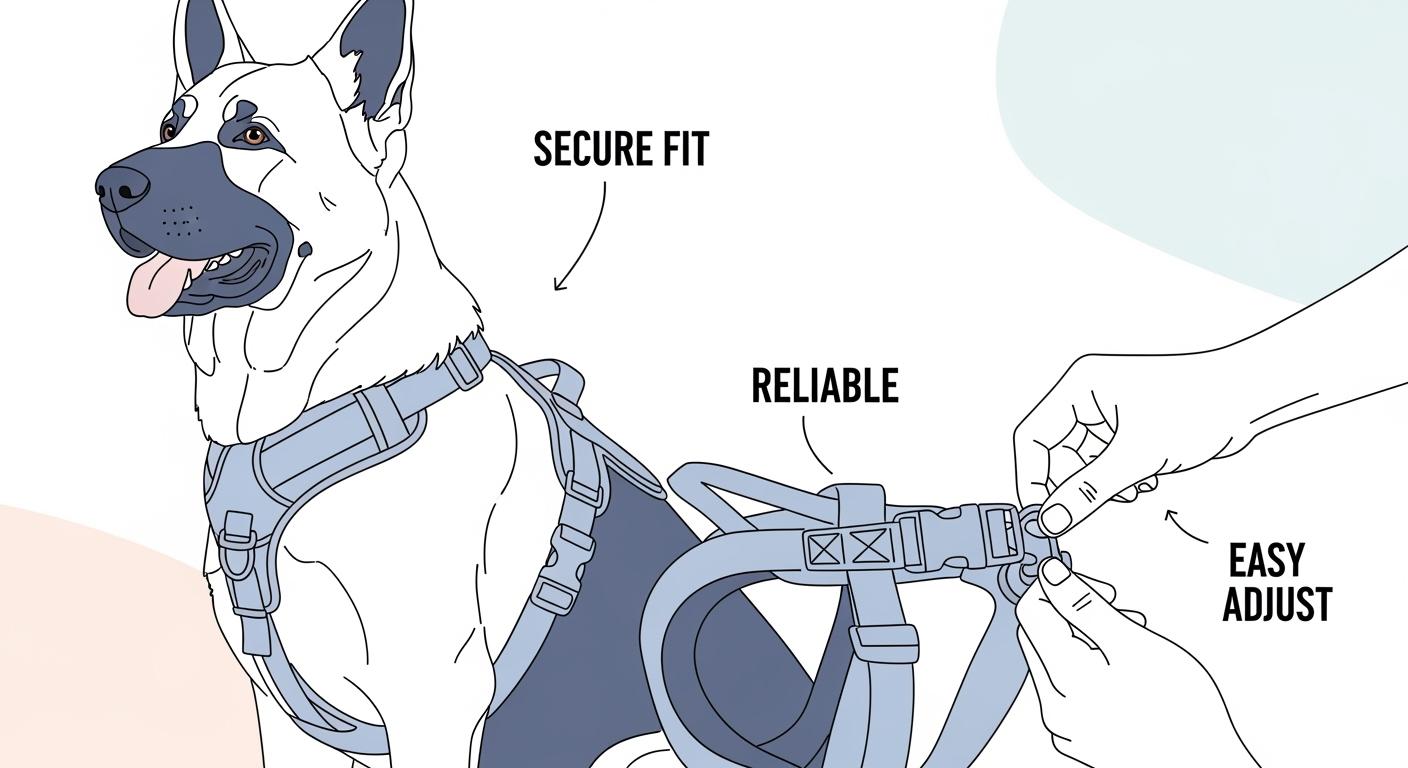
When a large dog lunges, twists, or puts real force into the leash, the harness has to do more than stay on. It has to stay centered, keep the buckle closed, and distribute pressure without turning every walk into a fit problem. A heavy duty dog harness for large dogs usually works best when buckle type, strap width, hardware weight, and adjustment range match how your dog actually moves.
The hard part is that heavier hardware solves one problem while sometimes creating another. More secure buckles and thicker webbing can make a harness feel more dependable, but they can also add bulk, pressure, and setup friction if the fit is off. Comparing a few dog harness options side by side usually makes that tradeoff easier to see.
Note: If your dog shows pain, limping, panic, or skin irritation that does not improve after a fit adjustment, equipment is no longer the whole issue. That is the point where a veterinarian or qualified trainer makes more sense than another round of harness tweaks.
When heavier hardware helps and when it gets in the way
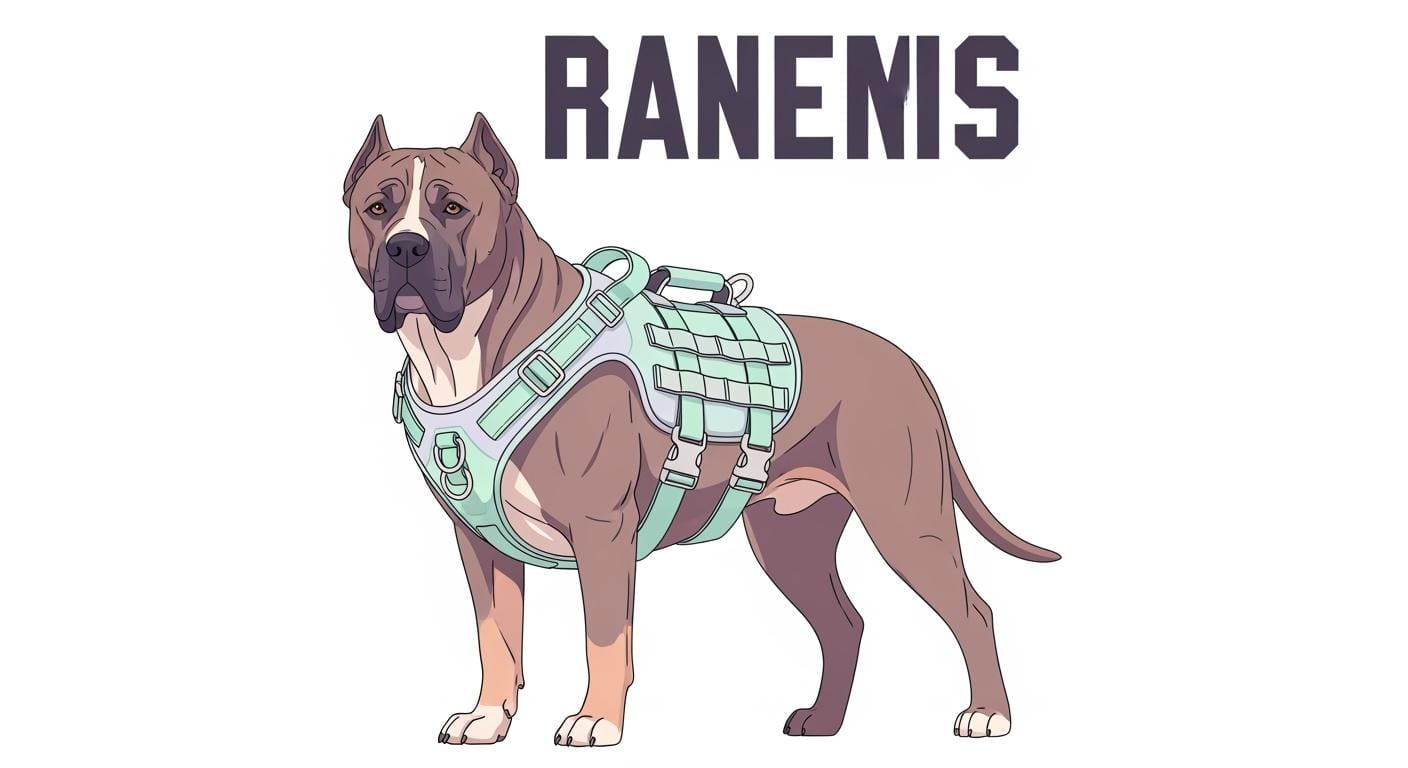
A heavy duty harness makes the most sense when your dog regularly puts force into the leash, has slipped lighter gear before, or needs a setup that stays more stable through repeated pulling. In those cases, sturdier buckles, thicker straps, and stronger load-bearing hardware can reduce accidental release and keep the harness from deforming under tension.
Why secure buckles matter on a strong dog
Buckle security becomes a real variable when a dog surges without warning. A solid lock design, especially one with a secondary locking step or a firmer release action, usually holds better under sudden load than a basic push-button buckle. That does not mean heavier is always better. The buckle still has to sit in a place you can reach quickly and your dog can wear comfortably for a full walk.
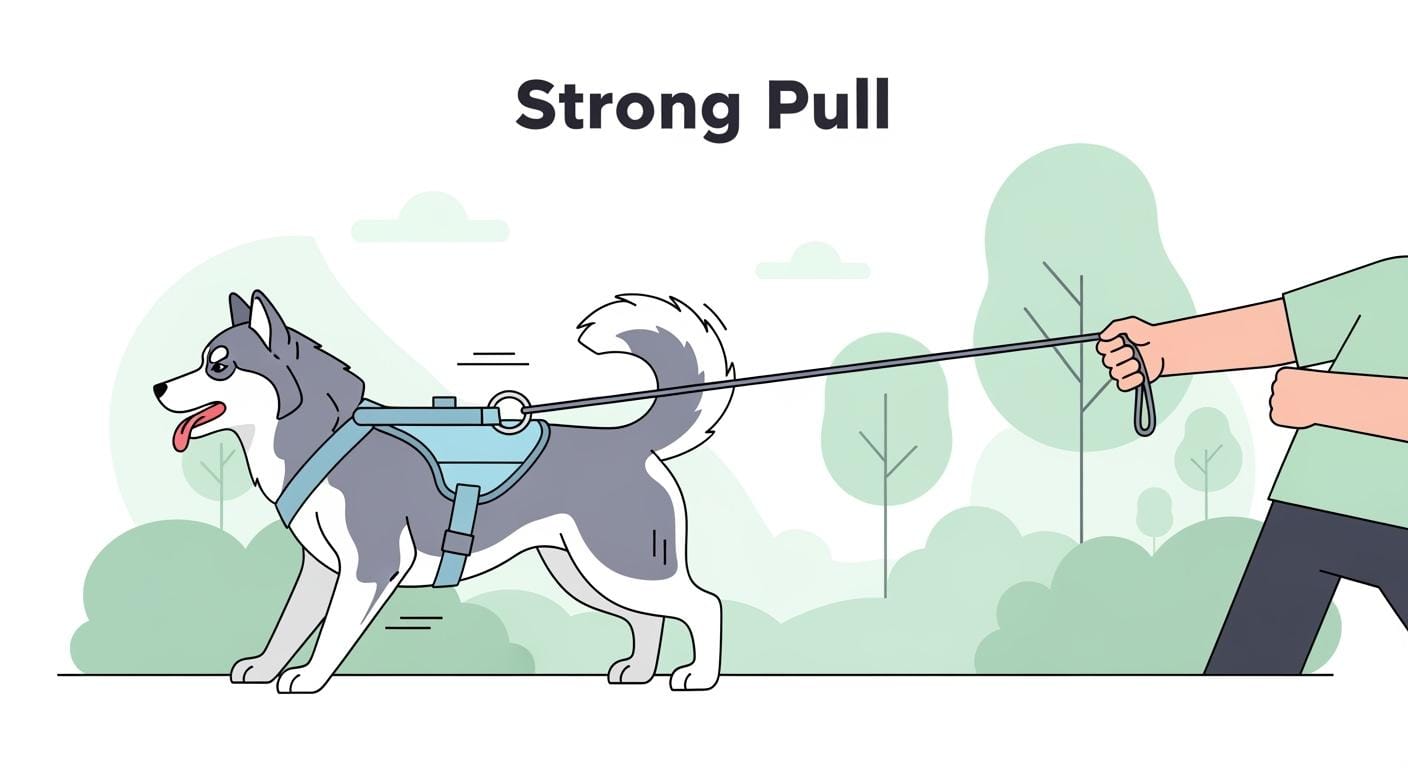
Force distribution matters just as much as buckle strength. Wide chest and belly straps connected to sturdy hardware spread tension across the sternum and ribcage instead of concentrating it in one narrow contact point. That usually becomes more obvious with pulling dogs in a harness, where repeated surges expose weak materials and poor strap paths much faster than a calm walk does.
- Solid lock buckles usually resist accidental release better during sudden pulling.
- Wide straps and heavier hardware can spread force more evenly across the chest.
- Front and back attachment points give more control options when a dog lunges.
- The same hardware that improves security often makes daily setup slower and bulkier.
In practice, the biggest benefit shows up with dogs that pull often or have escaped lighter setups before. If your dog is mostly calm and only surges once in a while, extra-heavy hardware may add more complexity than value.
Where a heavy setup starts to feel awkward
Heavy hardware adds friction to the routine long before you leave the driveway. Bigger buckles can be harder to reach around the shoulder or chest, especially when the dog is excited. Stiff sliders can slow down strap changes. If you already need two hands and a pause to fasten or release the harness while your dog is standing still, that same setup will usually feel worse once the dog is moving.
Balance matters too. A harness can use strong materials and still fit poorly if the strap layout fights your dog’s build. Deep chests, broad shoulders, and long front stride all change how a heavy harness settles once the leash goes tight. That is why comfort often depends on harness and leash balance, not just on hardware strength by itself.
| Factor | Warum das wichtig ist | What to Watch |
|---|---|---|
| Adjustability | More adjustment points help match the harness to unusual body proportions | Harnesses with only two adjustment points often struggle on deep chests or broad shoulders |
| Strap path | Straps that cut across the shoulder can limit normal reach | Shortened stride or leg-lifting during movement |
| Buckle access | A buckle you cannot reach easily is harder to use correctly under pressure | Needing two hands, looking away, or fumbling during setup |
| Adjustment hold | Sliders that migrate undo the fit during the walk | Straps sitting in a different position at the end of the session |
Tip: Before tightening the final buckle, make sure you can clip and unclip it with one hand while your dog is standing still. If you cannot do that calmly indoors, the setup will usually be worse outside.
How the common harness styles differ
Large dogs do not all need the same level of hardware. Use the comparison below to match the harness to the dog’s behavior and to your own day-to-day handling, not as a ranking from best to worst.
| Feature | Heavy Buckle Harness | Quick-Release Harness | Lighter Adjustable Harness |
|---|---|---|---|
| Buckle type | Solid lock, heavy-duty metal | Quick-release, plastic or metal | Lightweight, easy-slide |
| Ease of adjustment | Moderate to hard | Easy | Very easy |
| Fit consistency | High when adjusted correctly | Moderate | Moderate |
| Setup speed | Slower | Fast | Fast |
| Durability under load | High | Moderate | Lower |
| Best use case | Strong pullers, escape-prone dogs | Calm dogs, frequent fit changes | Low-pull dogs, puppies |
| Hardware pressure risk | Higher if fit is off | Low to moderate | Low |
| What to watch | Hardware weight and buckle reach for the handler | Fit consistency over longer walks | Durability under repeated pulling |
Heavy buckle harnesses are usually the best fit for dogs that pull hard or have a real history of backing out of lighter gear. For dogs that only surge occasionally, a quicker and lighter setup often gives a better balance of control, comfort, and everyday usability.
When to skip the heaviest option
There are plenty of cases where more hardware is not the better answer. Consider a different setup when:
- Your dog is calm and does not usually pull or lunge.
- You need to put the harness on and off quickly several times a day.
- Hand strength or mobility makes large buckles hard to operate reliably.
- Your dog has an unusual build that needs more flexible adjustment.
- Extra hardware is causing rubbing, heat buildup, or reluctance to walk.
Tip: One of the most common mistakes is assuming the heaviest buckle is automatically the safest choice. A lighter harness that fits cleanly is usually safer than heavy hardware that shifts, presses, or slows down handling.
Fit checks that catch trouble early
Most harness problems show up early if you look for them on purpose. The first 10 minutes of a walk often reveal strap migration, buckle access problems, and pressure points that are easy to miss when the dog is standing still in the house. Many of the warning patterns in fit problems after a 10-minute walk are exactly the issues that make a heavy duty setup feel secure at first and frustrating later.
| Artikel prüfen | Signal weiterleiten | Fehlermeldung | Next Step |
|---|---|---|---|
| Buckle reach | You can clip and unclip with one hand | Buckle requires two hands or is hard to locate | Adjust strap position or try a different harness cut |
| Even strap adjustment | Both sides feel balanced and symmetrical | One side noticeably tighter or looser | Re-adjust both sides from the center outward |
| Strap hold after walk | Straps stay in the same position | Straps loosen or shift to one side | Check sliders for wear and reset before the next walk |
| Hardware pressure | No redness or heat spots after removal | Redness, indentations, or flattened fur at contact points | Loosen or reposition hardware; add padding only if the strap path is already correct |
| Shoulder freedom | Stride looks normal and reaches full extension | Shortened stride or leg-lifting to clear the strap | Check the strap path across the shoulder and try a cut with more room |
| Escape resistance | Harness stays in place with gentle backward pressure | Dog slips backward or twists free | Reassess girth measurement and chest strap position |
Keep a short record for the first three walks before you make changes: where the straps sat at the end of the walk, whether any marks were left after removal, how the front stride looked in motion, and whether the buckle felt easy, awkward, or difficult to reach. A pattern across several walks usually tells you more than one bad session does.
What to watch during and after a walk
Loose straps after a walk, hard-to-open buckles, and pressure marks from oversized hardware are common signs that the harness is not really working for your setup. These problems usually show up in the first few uses, which makes the first three walks a useful test window before you treat the harness as a long-term solution.
| Symptom | Mögliche Ursache | Fast Check | Beheben |
|---|---|---|---|
| Harness slips to one side | Uneven strap adjustment or strap migration | Check both sides for equal length after the walk | Re-adjust both sides from the center outward |
| Buckle hard to open | Stiff hardware or awkward clip position | Try unclipping with normal one-hand pressure | Lubricate the buckle or switch to a more accessible clip position |
| Chafing or redness | Tight straps, rough strap edges, or poor strap path | Look for marks under the armpits and chest after the walk | Loosen straps and reposition; add padding only if rubbing continues after the fit is corrected |
| Dog slips backward out of harness | Girth fit too loose or chest strap positioned too high | Apply gentle backward pressure while the harness is on | Reassess girth measurement and chest strap position |
| Restricted movement or short stride | Strap path crossing the shoulder blade | Watch front leg reach during a slow walk | Use a harness cut with more shoulder clearance |
| Dog resists the harness | Discomfort, heavy hardware, or a negative association | Watch the dog’s reaction when you pick up the harness | Check fit, reduce hardware pressure, and rebuild comfort gradually |
| Loud hardware noise | Large metal buckles or D-rings clanking together | Listen during the walk for repeated clanking | Try a lower-profile setup or hardware with less movement |
Disclaimer: If your dog shows limping, persistent skin irritation, or reluctance to walk that does not improve after adjusting the harness, stop treating it as a normal fit issue and speak with your veterinarian.
When to replace the harness instead of adjusting it again
Some problems are fit problems, and some are wear problems. Replace the harness when stitching frays near the load-bearing hardware, buckles crack or become brittle, or sliders no longer hold position after you tighten them. Once that starts happening, no amount of readjustment restores the original safety margin. Looking for wear on large dog harnesses is one of the simplest ways to catch those failures before they become obvious on a walk.
It is also worth reassessing fit any time your dog’s weight, coat, or muscle condition changes. A harness that sat well in one season can land very differently once the coat thickens or the chest fills out. Large dogs change how a harness behaves faster than many owners expect.
Bottom line
A heavy duty dog harness for large dogs works best when the buckle is secure, the straps stay balanced, and the extra hardware solves a real handling problem instead of adding unnecessary bulk. If the harness stays centered, the dog moves freely, and you can operate the buckles without fumbling, you are usually working with the right level of hardware.
Häufig gestellte Fragen
How do you know if a heavy duty dog harness fits correctly?
The harness should stay centered and symmetrical through a full walk, with no shifting, chafing marks, or shortened stride during movement.
Can you wash a heavy duty dog harness in the washing machine?
Check the manufacturer’s label first. Harnesses with heavier metal hardware often do better with hand washing, mild soap, and air drying.
What is the difference between a quick-release and a solid lock harness?
| Quick-Release | Solid Lock |
|---|---|
| Faster to put on and remove | More secure under sudden pulling force |
| Easier fit changes between walks | Steadier strap hold during active sessions |
Is a heavy duty harness always safer for a large dog?
No. A lighter harness that fits correctly is usually safer than heavy hardware that is hard to adjust or sits poorly on your dog’s build.
Where should the back clip sit on a large dog?
The back clip should sit between the shoulder blades, centered on the spine, without pressing into the base of the neck or crowding the shoulder area.