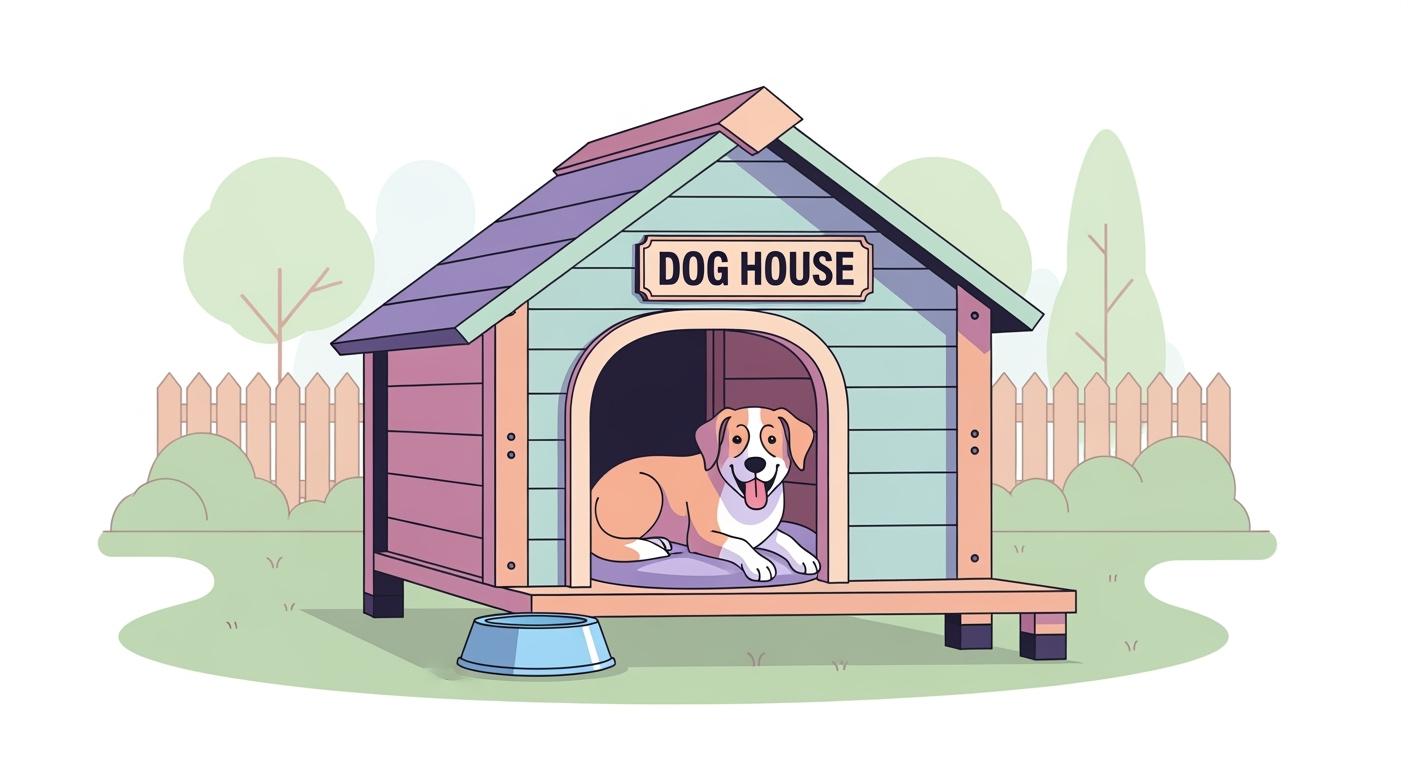
Choosing an exterior dog house means checking fit, drainage, airflow, and cleaning before you worry about extras. The best setup keeps the resting area dry, lets your dog enter and turn comfortably, and stays useful after rain, mud, and repeated cleaning.
What this guide covers: fit, doorway clearance, drainage, airflow, roof and floor design, cleaning, and the most common buying mistakes.
Important: an exterior dog house is supplemental outdoor shelter, not a substitute for bringing dogs inside during severe heat, cold, or storms.
Das Wichtigste in Kürze
- Start with the dog and the site, not the marketing label. A house that fits poorly or sits in pooled water will fail no matter how thick the walls look.
- Prioritize raised floors, easy drainage, shade, and dry bedding before cosmetic features. Those details affect day-to-day comfort most.
- Use outdoor shelter as a backup resting spot, not as an excuse to leave a dog outside in dangerous weather.
Fit and Placement Checks
Measure the dog first, then check the resting posture
Skip breed charts and fixed formulas. Measure your dog in a relaxed standing position, then watch how your dog actually rests: curled, stretched, or with the head propped on an edge. A good house should let the dog enter without ducking too hard, stand up without crouching, turn around without hitting every wall, and lie down without folding into an awkward position.
Instead of chasing a “perfect number,” use this pass/fail logic: if the dog looks cramped, brushes the doorway with shoulders or hips, or cannot settle without pressing into the walls, the fit is wrong. If the house is so oversized that the dog ends up exposed to drafts and unused empty space, the fit is also wrong.
Quick fit test: lead your dog in, let the dog turn once, then watch the first lying-down position. That first natural rest posture tells you more than a product label.
Doorway, floor area, and raised base
The opening should be large enough for easy entry but not so open that wind and rain blow straight into the resting area. Offset entries, covered openings, and roof overhangs help more than simply cutting a larger hole in the front panel.
The floor should sit off wet ground and stay flat under the dog’s weight. Raised bases reduce contact with damp soil and standing water, and they make it easier to keep bedding drier after rain.
Use site conditions before you decide the house is weather-ready
Start with placement and material checks. Put the house on level, drained ground, keep it out of low spots where water collects, and angle the opening away from prevailing wind when possible. Shade matters in hot weather, and dry ground matters all year.
Driveway-style site test: hose or bucket-test the ground around the planned location. If water runs toward the base or pools under it, the location is wrong before the house is even assembled.
Materials and Weather Resistance
Shell material matters, but construction matters more
Plastic, wood, and metal all have trade-offs. Plastic is lighter and easier to wash, but some designs heat up quickly in sun. Wood usually feels less harsh in temperature swings, but it needs more upkeep against rot and moisture. Metal is durable but can become uncomfortable in hot sun or cold weather without a better overall design.
What matters most in real use is whether the shell sheds water, resists rough edges, and keeps the resting area dry instead of letting leaks reach bedding.
Roof shape, drainage, and keeping the interior dry
A sloped or peaked roof helps move water off the house faster than a flat top. Roof overhangs help keep the doorway drier, and clean seams matter more than decorative trim. If you want a simple rule, focus on the path water takes from roof to ground and on how quickly the inside dries after a wet day.
Choose features that keep your dog warm and dry instead of trapping moisture around bedding. After rain, check the inside corners, the doorway edge, and the floor seam first; those spots usually show problems fastest.
| Feature to inspect | Why it matters |
|---|---|
| Raised floor | Helps separate bedding from damp ground and splashback. |
| Roof overhang | Reduces direct rain at the opening and front wall. |
| Clean seams and panels | Leaks usually show up at joints before anywhere else. |
| Easy-clean interior | Fast cleanup makes it easier to keep the resting area dry and usable. |
Airflow and heat limits
Ventilation should let warm air escape without turning the resting area into a draft tunnel. Upper vents, sheltered side openings, and sensible placement usually matter more than chasing a single percentage rule.
Be careful in summer: even a well-built dog house can trap heat if it sits in full sun. Shade, airflow, and frequent checks matter more than insulation claims when temperatures rise.
Heat check: place your hand inside after the house has sat in the sun. If it already feels hot and stale before the dog enters, the setup needs more shade or better airflow.
Daily Use, Cleaning, and Common Mistakes
Dry bedding, safe surfaces, and routine inspection
Dry bedding matters because even a good shell becomes uncomfortable once the inside stays damp. Use bedding you can replace or dry easily, and inspect the floor, corners, and entry edge after storms or heavy cleaning.
Run your hand over the inside and outside surfaces. Screws, rough plastic edges, split wood, and sharp hardware are more important to fix than cosmetic scratches.
What owners get wrong most often
- Buying by breed name instead of by the dog’s actual body size and resting posture.
- Putting the house in a wet, low, or fully exposed part of the yard.
- Using outdoor shelter as if it were enough for severe weather on its own.
- Ignoring drying time and cleanup until the bedding smells stale or stays damp.
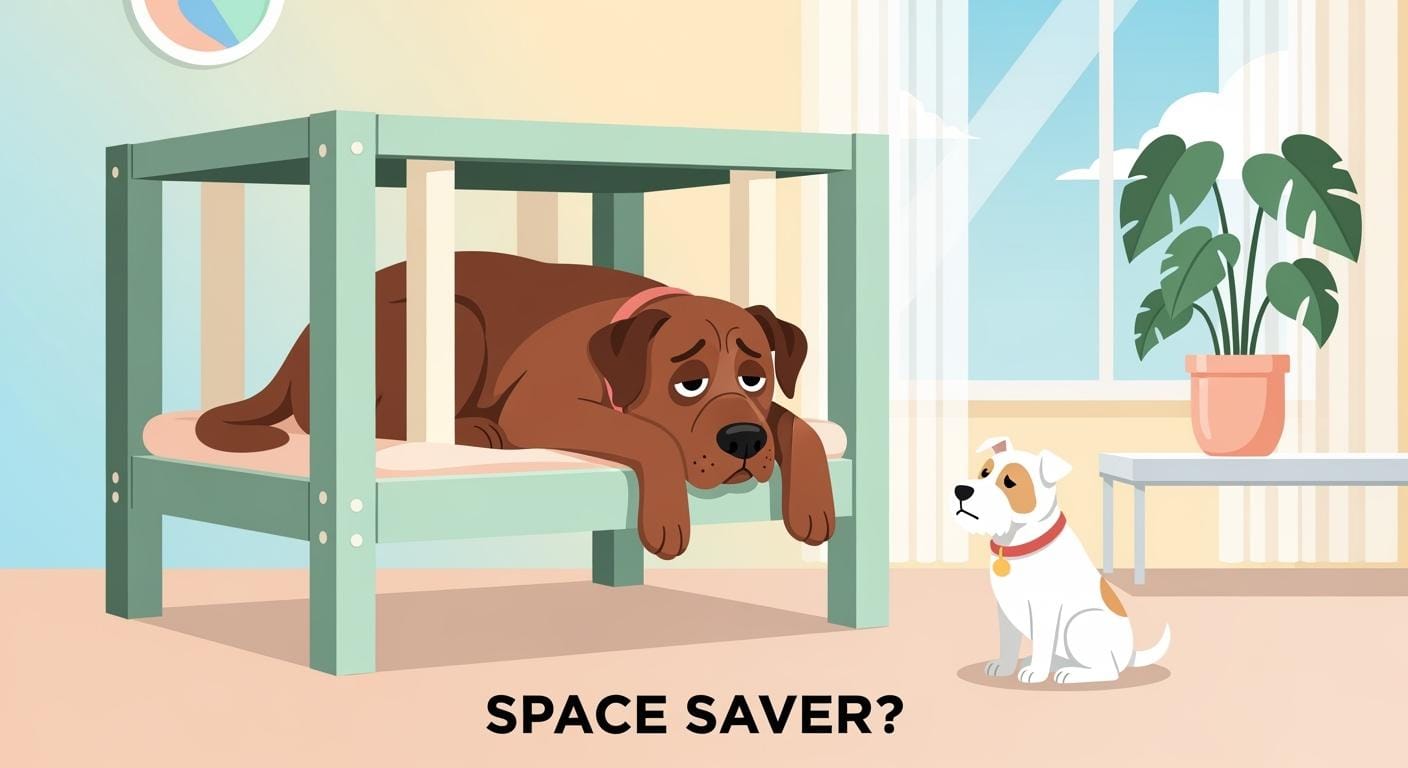
- Assuming bigger is always better, even when the dog ends up exposed and does not use the space well.
Quick selection and maintenance checklist
| Check | Pass signal | Fail signal |
|---|---|---|
| Fit | Dog enters, turns, and lies down naturally | Crammed entry, awkward turning, or unused empty space |
| Platzierung | Ground stays dry and level after rain | Water pools under or around the base |
| Airflow | Interior stays dry and not stuffy | Interior feels hot, stale, or drafty on the resting side |
| Cleaning | Bedding and interior can be dried or cleaned quickly | Moisture, odor, or dirt linger after routine use |
Rain check: after a storm, inspect the bedding, doorway edge, and floor seam before you assume the house stayed dry.
Häufig gestellte Fragen
How should an exterior dog house fit?
It should let your dog enter comfortably, stand without crouching, turn around, and lie down in a natural resting position. Functional fit matters more than breed charts or hard formulas.
What materials are easiest to live with?
The best material depends on weather and maintenance, but easy cleaning, dry seams, and a floor that stays off wet ground matter more than a single material claim. Choose the option you can inspect, clean, and keep dry consistently.
Where should you place the house?
Put it on drained, level ground with shade and wind protection when possible. Avoid low spots, direct runoff, and places where rain or irrigation collects around the base.
Can a dog stay outside in the house during extreme weather?
No. Treat an exterior dog house as supplemental shelter, not as the answer to severe heat, freezing conditions, or storms. In dangerous weather, the safer choice is to bring the dog inside.