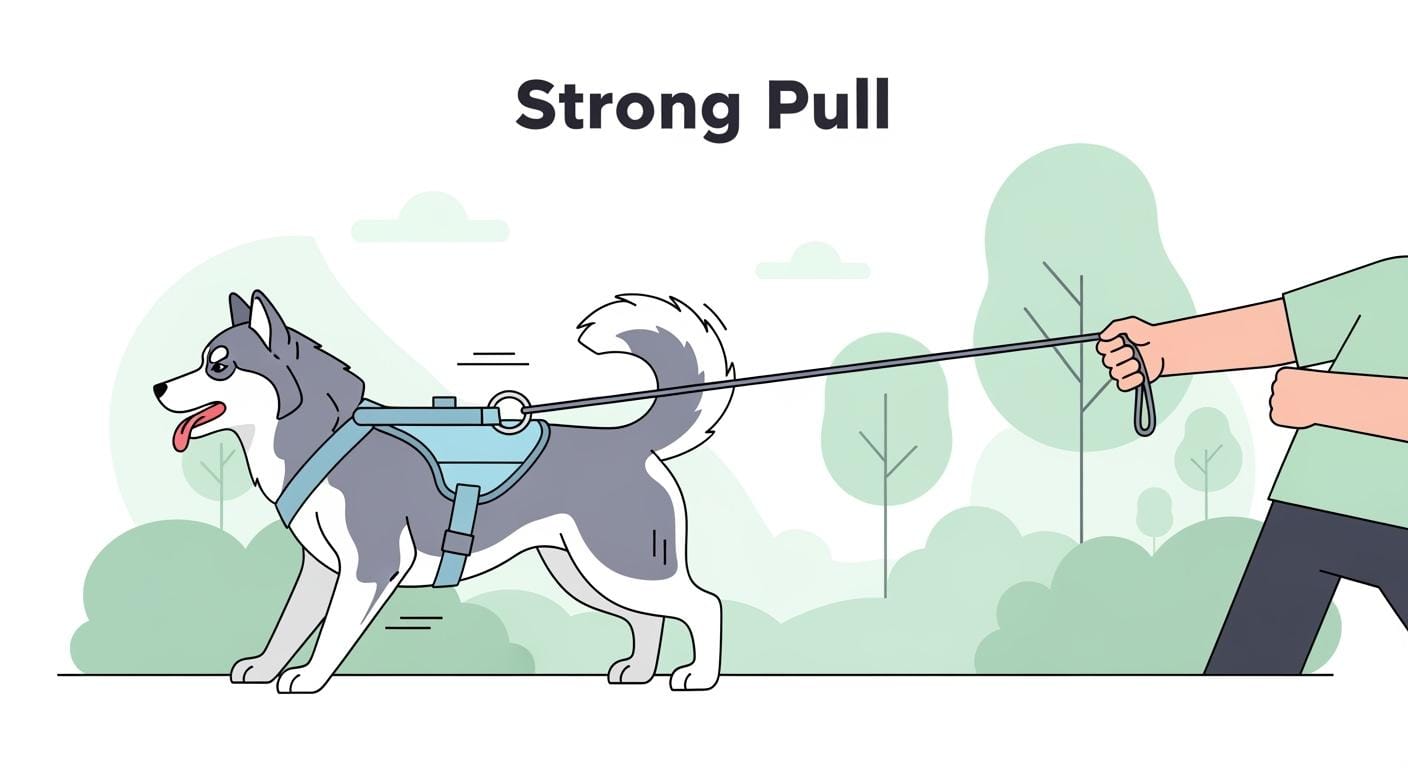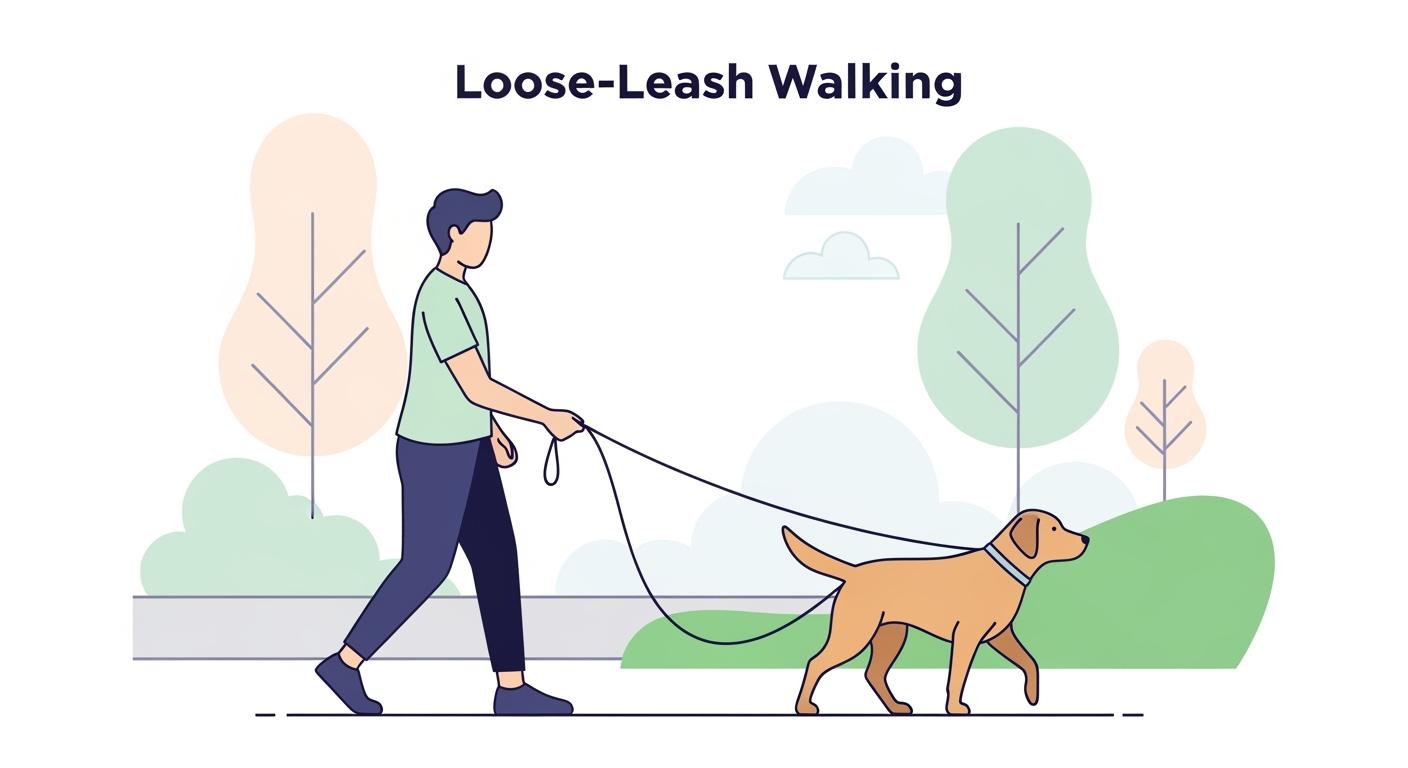
A leash that is too long for the environment creates tangles, late reactions, and “my dog pulled me off balance” moments. A leash that is too short can keep tension on the line and make loose-leash skills harder to teach. This Cluster guide keeps it simple: pick leash length by where you walk, then confirm control with a fast pass/fail check.
If you are choosing a leash for daily walks, start with the dog leash category basics, then use the length rules below to reduce mistakes and stay safer in real environments.
Quick answer: 4 to 6 feet for most daily walks
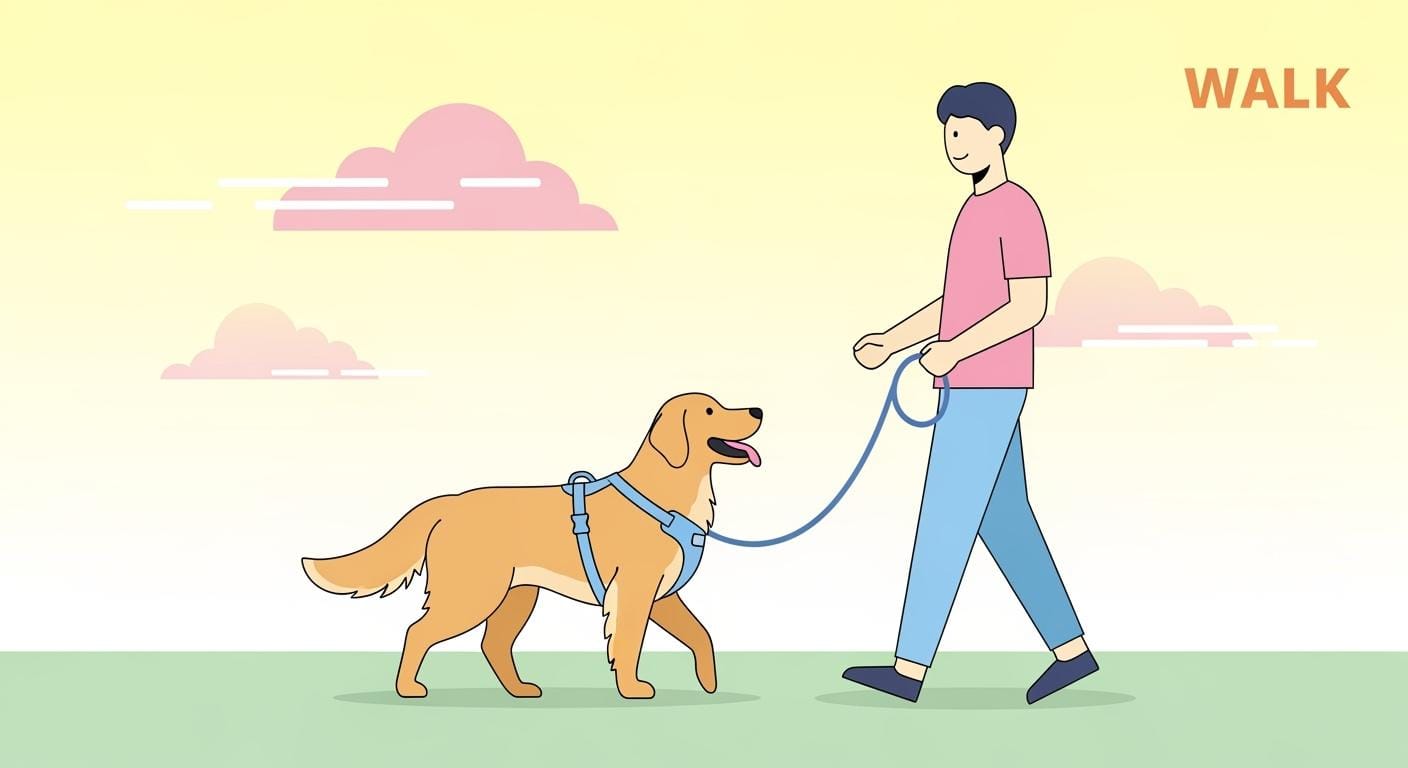
For most outdoor loose-leash walking, 4 to 6 feet is the best default. It gives enough room for safe sniffing and enough control for quick turns, crossings, and passing people. The key is not the number alone, but whether you can keep the leash slack most of the time.
- Use 4 ft when you need close control (tight sidewalks, frequent crossings, lots of distractions).
- Use 6 ft for the common “daily walk” mix (neighborhood routes, parks with foot traffic, general training).
- Use a long line only for open spaces and structured practice where you can manage slack safely.
If you want a single reference that combines fit, clip choice, and length guidance, use this harness and leash set fit guide as your baseline.
Choose length by environment

Length is a reaction-time tool. In crowds, shorter distance prevents “too far, too fast.” In open areas, a longer line can support training and exploration, but only when you can prevent sudden end-of-line hits.
| Where you walk | Length direction | What it helps | Common problem if wrong |
|---|---|---|---|
| Crowds, crossings, tight sidewalks | Short (often 4 ft) to mid (6 ft) | Close control, fewer tangles | Tangles, late reactions, unsafe passes |
| Neighborhood routes, mixed foot traffic | Mid (often 6 ft) | Balance of sniffing and control | Constant tension or “too restrictive” feel |
| Open fields, recall practice, distance work | Long line (space required) | Controlled freedom for training | Trips, slack tangles, end-of-line jolts |
Safety checks that prevent the most common leash problems
The fastest way to improve outcomes is to standardize a simple check before each walk. If one item fails, change length or switch environments.
Pass/fail: leash control in 60 seconds
- Turn test: can you turn 90 degrees without wrapping the leash around your hand?
- Stop test: can you stop and keep slack without jerking the dog back?
- Pass-by test: can you shorten distance quickly when someone approaches?
- Trip risk: does slack drag near feet, wheels, or obstacles?
Common mistakes (and quick fixes)
- Using a long line in busy areas: switch to 4–6 ft for sidewalks and crossings.
- Letting slack drag: shorten the effective length; keep slack off the ground near traffic.
- Wrapping the leash around your wrist: hold properly to reduce injury risk during sudden lunges.
- Relying on retractables in crowds: distance changes too fast; control and tangles get worse.
Hands-free note (so length expectations stay realistic)
Hands-free systems can feel smoother for steady pacing, but they can also increase risk if the dog can surge into triggers. If hands-free is part of your routine, the key is understanding relaxed vs expanded length and when handheld control is safer. This belt vs bungee setup guide helps clarify those expectations.
Häufig gestellte Fragen
Is 6 ft always better than 4 ft?
No. Six feet is a strong default for daily walks, but 4 ft can be safer in tight sidewalks, crossings, or high-distraction areas where reaction time matters. Choose based on environment, then validate with the 60-second control check.
When is a long line actually the right tool?
Use a long line for open areas and structured practice such as recall or distance cues. Avoid busy places, trails with heavy foot traffic, and anywhere you cannot manage slack safely.
Why do retractable leashes cause so many problems?
They change distance unpredictably. That increases tangles and makes it harder to shorten quickly. Cord-style lines can also cause painful burns if they slide through hands or wrap around legs.
What is the simplest sign my leash length is wrong?
If your dog repeatedly hits the end of the line (tightens fast) or you cannot shorten distance quickly without wrapping your hand, the leash length or style is not aligned to the environment.
How do I reduce pulling without changing the leash?
Start by shortening distance in high-distraction areas and practicing “stop, reset, and reward slack” in calmer zones. If pulling stays intense, revisit harness fit and attachment point choice in your setup.