A dog harness no pull claim sounds simple, but many people read too much into it. A harness can improve handling, change leash angle, and reduce some forward pulling leverage, yet it does not automatically teach loose-leash walking or instantly change behavior. The best way to use the phrase is to judge what the harness helps you manage in real life instead of expecting one product to solve every pulling problem on its own.
That is easier when you compare different harness styles by control, fit, and comfort rather than treating “no pull” as a guaranteed outcome.
What a “no pull” harness should realistically do
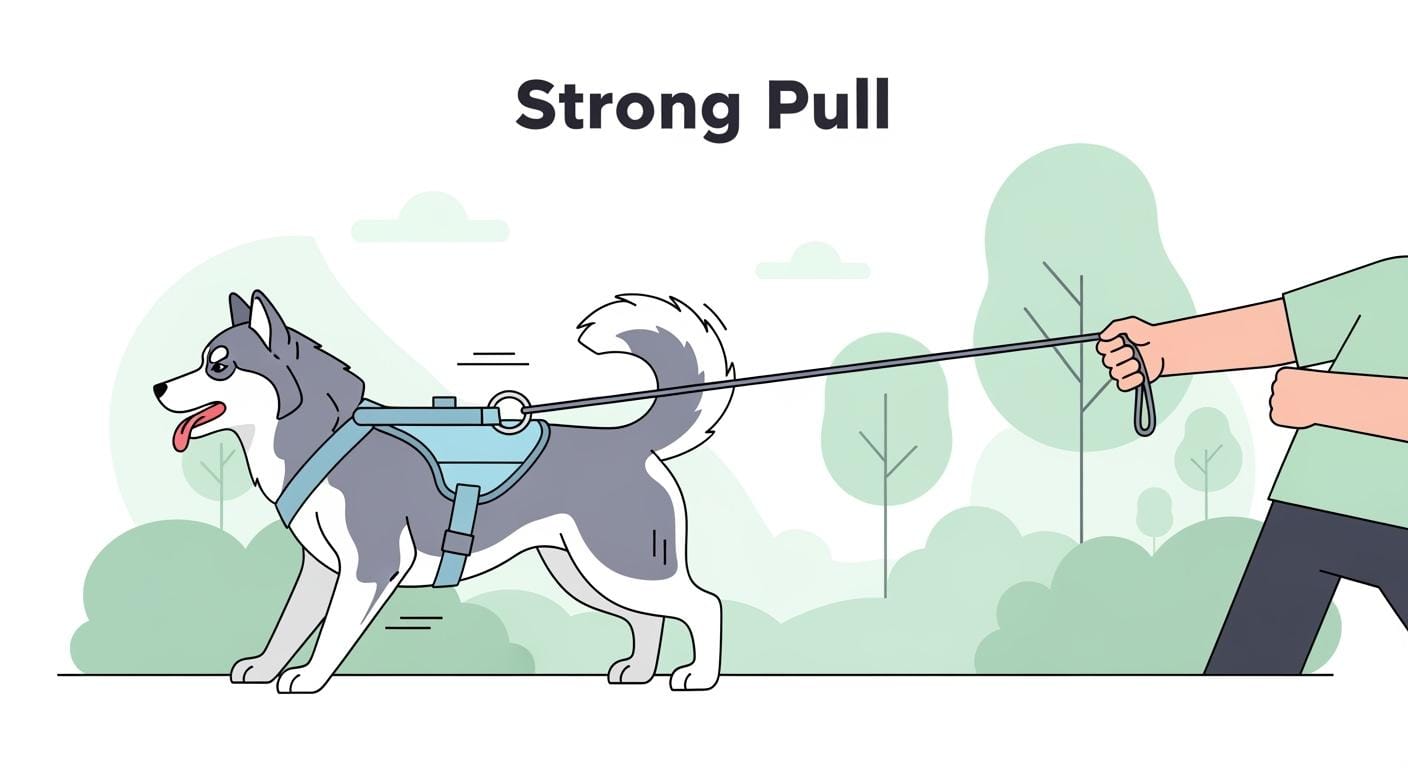
A well-designed no-pull harness usually helps with direction, handling, and body-based control. That often means the dog is easier to redirect, the leash feels more manageable, and the pull does not land directly on the neck. What it does not mean is that the dog will suddenly stop wanting to rush toward distractions, greet other dogs perfectly, or develop loose-leash manners overnight.
What the label usually means in practical use
- The harness may help reduce forward pulling leverage.
- It may make turns and redirection easier for the handler.
- It may spread force across the body more comfortably than a collar.
- It may support better control when the fit and leash handling are both correct.
What the label should not make you assume
- That the dog will stop pulling immediately.
- That training no longer matters.
- That every dog will respond the same way.
- That stronger pressure automatically means better results.
Quick rule: “no pull” should be understood as a handling benefit, not as a promise that behavior will change by itself.
How to judge the claim without getting misled
The easiest way to judge a no-pull claim is to look past the headline and ask what the harness is actually doing. A useful description explains where the leash attaches, how the harness stays positioned, and what kind of control it is designed to support. A weak description leans on big promises but says little about fit, adjustment, or how the harness behaves once the dog moves.
What more helpful wording usually focuses on
| Better focus | Why it helps | What to be careful with |
|---|---|---|
| Front-attachment or control point | Explains how direction changes may be managed | Does not guarantee the dog will stop pulling |
| Adjustment and fit stability | Shows whether the harness can stay centered | Good features still fail if the fit is wrong |
| Comfort and movement range | Helps you judge whether the dog can walk naturally | Overly tight control often creates new problems |
| Use with training | Keeps expectations realistic | A harness alone rarely solves pulling habits |
Red flags in the way the claim is presented
- It sounds like instant behavior correction.
- It says or implies pulling will be fully prevented.
- It skips fit and adjustment details.
- It makes big promises but does not explain how the design helps you manage the dog.
A better reading habit is to ask whether the harness supports a steadier walking routine instead of asking whether the phrase itself sounds convincing.
Fit and setup matter more than the claim on the tag
Even the best no-pull design will disappoint if the harness rotates, rides into the throat, rubs behind the front legs, or loosens after a short walk. In real use, those fit problems usually matter more than the label itself because they affect whether the harness can actually guide movement without creating discomfort.
Use these quick fit checks
- Make sure the chest section stays centered instead of sliding to one side.
- Check that the neck area is secure without crowding the throat.
- Watch the dog walk and turn, not only stand still.
- Recheck the straps after the first short outing.
- Stop and adjust if you see rubbing, shifting, or a shortened stride.
Common reasons a no-pull harness feels like it “does not work”
- The harness is too loose and twists when tension starts.
- The dog is uncomfortable and fights the setup instead of settling into it.
- The leash is clipped correctly but the harness fit is wrong.
- Pulling has become a learned habit that still needs practice and repetition to improve.
If the main issue is unclear sizing, shifting, or overall use case, it helps to compare the setup against a broader guide to harness sizing and use cases before deciding the no-pull idea itself is the problem.
When “no pull” is the wrong expectation
Some dogs pull because they are overstimulated, undertrained, anxious, excited, or simply stronger than the current routine can manage. In those cases, the harness may still help, but expecting immediate behavior change usually leads to frustration. The smarter expectation is that the harness can improve handling while training, consistency, and calmer setups do the longer-term work.
Signs expectations need to be reset
- You are hoping the harness alone will stop all pulling.
- The dog still lunges, spins, or braces heavily in high-distraction settings.
- The harness is technically on correctly, but every walk still feels chaotic.
- You find yourself tightening the harness more instead of improving the overall setup.
What a better outcome usually looks like
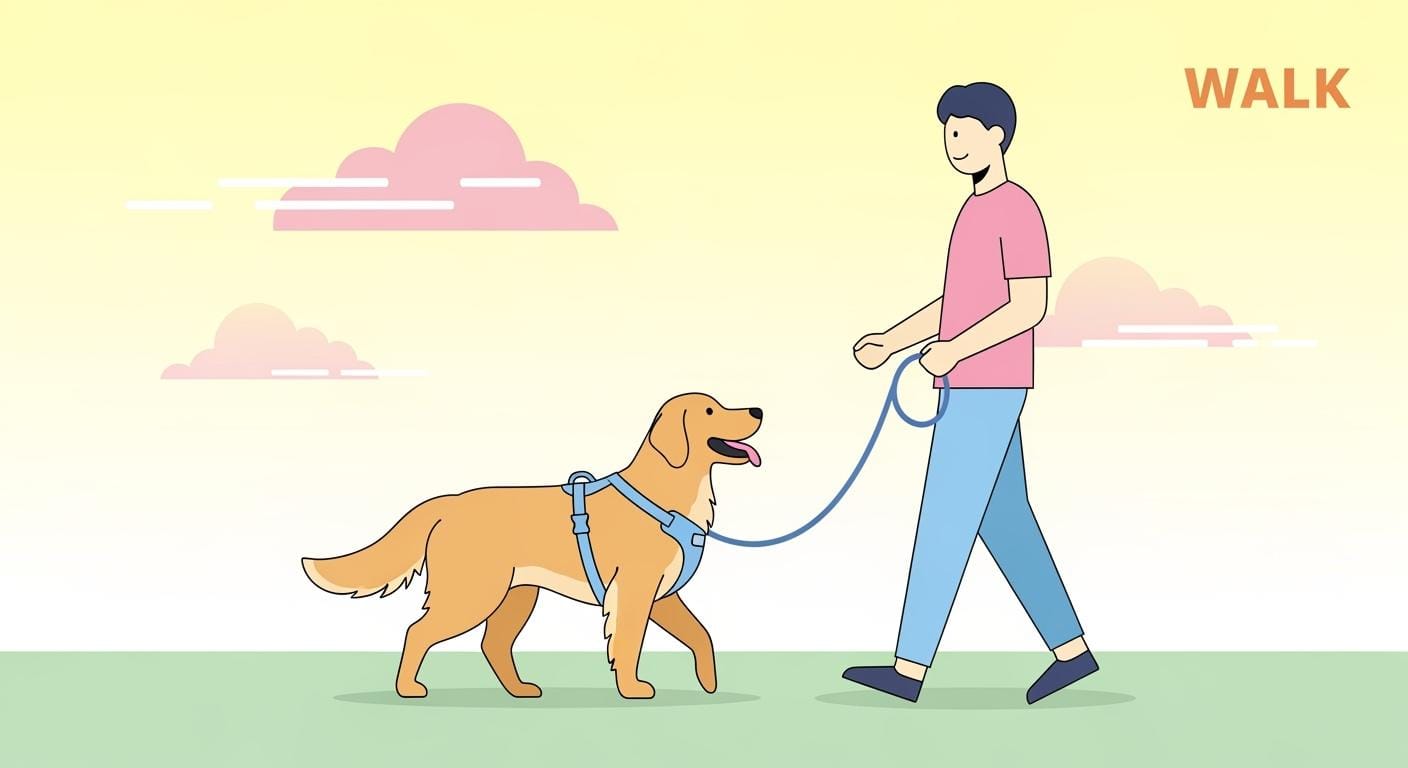
The better outcome is not magic. It is a dog that is easier to guide, a walk that feels more controlled, and a setup that lets you practice better habits without putting the neck under unnecessary pressure. That is still useful progress, even if the dog is not instantly “fixed.”
Häufig gestellte Fragen
Does a no-pull harness actually stop pulling?
Not by itself. It may help reduce pulling leverage and improve control, but it does not automatically teach the dog to walk loosely on the leash.
What should “no pull” really mean?
It should mean the harness is designed to help the handler manage pulling more effectively, not that the dog’s behavior will instantly change.
Why does my dog still pull in a no-pull harness?
Pulling can still continue if the fit is poor, the dog is uncomfortable, or the behavior has been practiced for a long time and still needs training support.
What should I check first if the harness feels ineffective?
Start with fit, strap stability, chest positioning, and whether the dog can move naturally. A no-pull design cannot work well if the harness is twisting or rubbing.
Is it a bad sign if the harness helps only a little?
No. Even modest improvement in control can be valuable. The realistic goal is better handling and safer walking, not instant behavior change from gear alone.