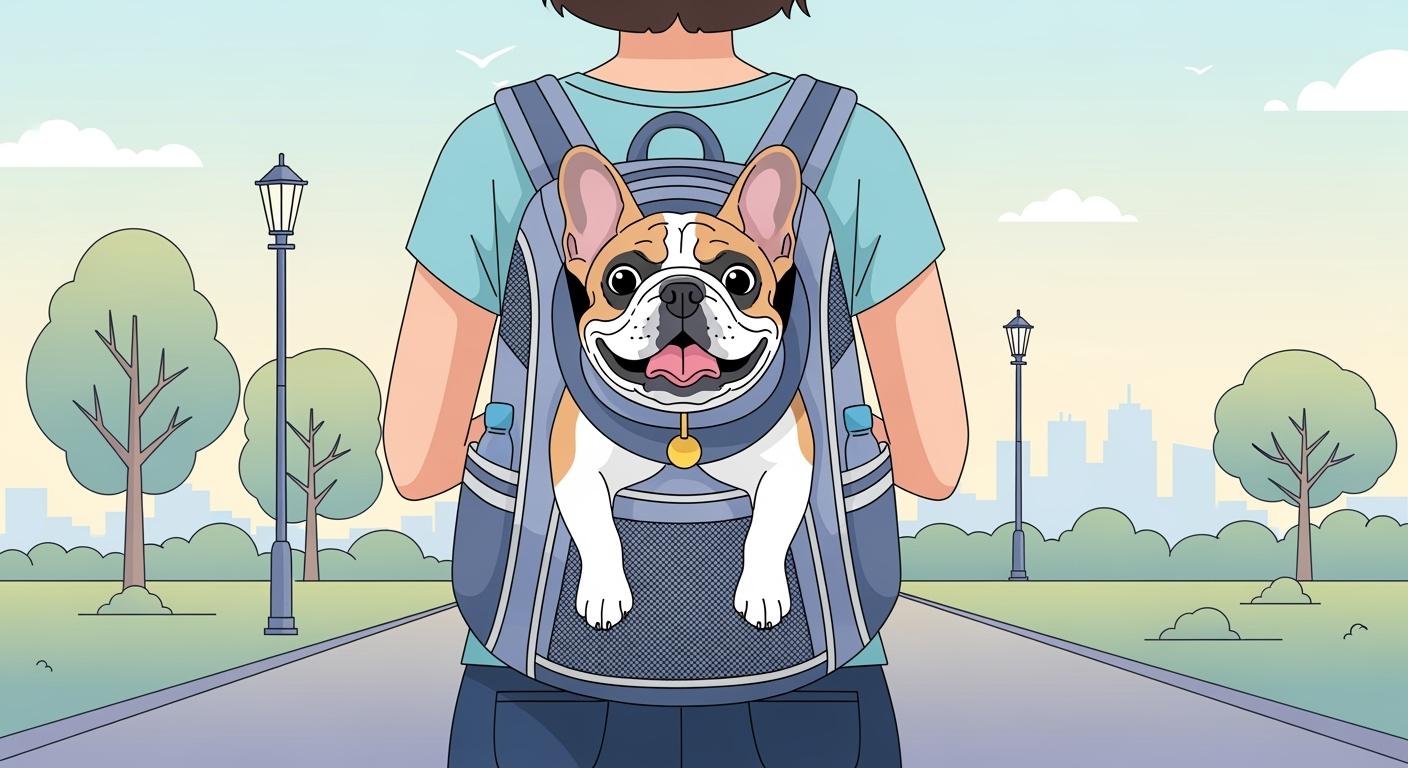
A dog carrier backpack French Bulldog owners choose should keep the dog level, well ventilated, and able to breathe without chest crowding. For most French Bulldogs, a horizontal or semi-horizontal carrier is easier to tolerate than a fully upright pack, especially for short outings, travel days, and times when your dog needs a break from walking.
Das Wichtigste in Kürze
- Pick a carrier that lets your French Bulldog stay supported and as level as possible.
- Prioritize airflow, chest room, and a stable base before extra storage or styling details.
- Test the carrier indoors first and stop if you see heavy panting, panic, or repeated escape attempts.
When a Backpack Works Best and When Another Carrier Is Easier
A backpack can work well when you need both hands free, you are moving through a crowded area, or your dog tires quickly on a short walk. It is usually less useful for long, warm outings where your French Bulldog may overheat or need frequent breaks. If your dog cannot settle indoors for a few minutes in the carrier, going straight to a hike or long errand is rarely a good idea.
Backpack, Front Carry, or Handheld Carrier?
| Carrier Type | When It Usually Works Best | Main Concern for French Bulldogs |
|---|---|---|
| Upright backpack | Short trips only, and only if the dog stays supported without chest pressure | Can crowd the chest and put the dog in a less natural posture |
| Horizontal or semi-horizontal backpack | Best option for most backpack use because it supports a more natural body position | Still needs strong airflow and enough room to prevent slumping |
| Handheld carrier or crate-style carrier | Better for car travel, waiting rooms, or dogs that dislike being carried on a person’s back | Bulkier to carry, but often easier to fit correctly |
If your French Bulldog leans hard against the opening, curls up because the base is too short, or starts panting within a few minutes indoors, another carrier style may be the better choice. A backpack is not automatically the best option just because your dog is small.
What Matters Most: Airflow, Chest Room, and Body Position
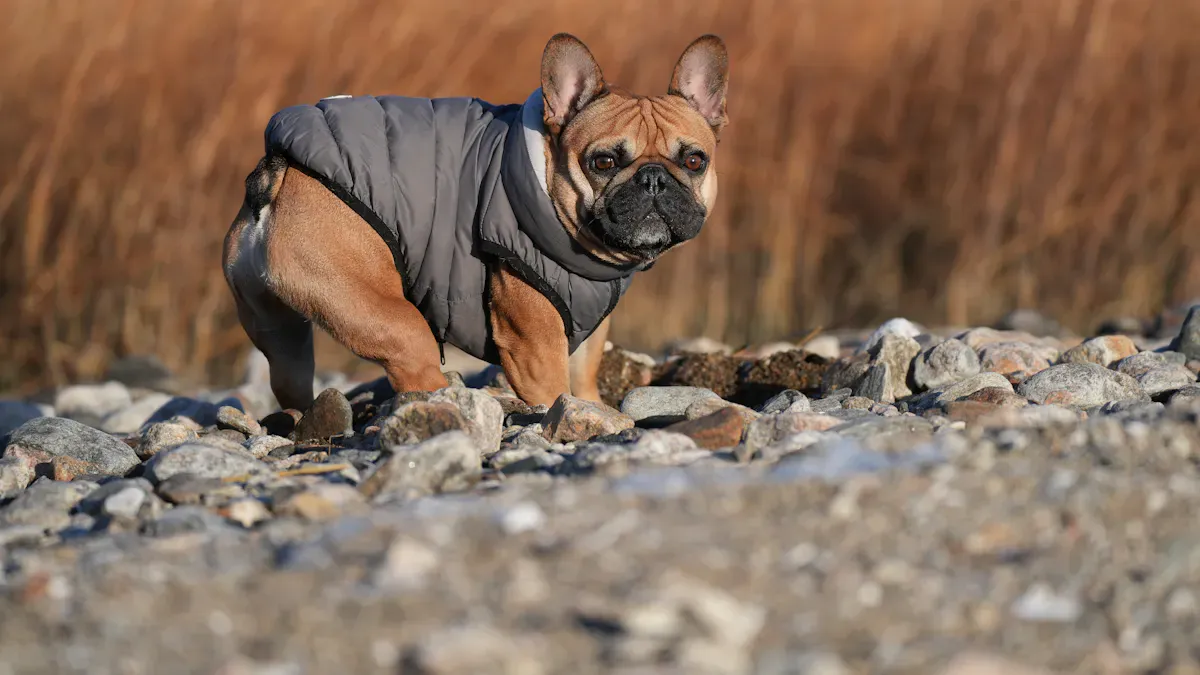
French Bulldogs are a brachycephalic breed, which means their short muzzle can make heat and breathing issues harder to manage than they are for many other small dogs. That does not mean a backpack carrier is off limits. It does mean fit and ventilation matter more than marketing claims.
Ventilation That Stays Open After Your Dog Settles
Mesh panels only help if they stay open once your dog is inside. Look for wide mesh areas on more than one side, openings that do not collapse inward, and a design that does not press fabric against your dog’s face or chest. A carrier with better airflow can lower heat buildup, but it still should not be treated as a solution for hot weather or strenuous activity.
| Feature | Warum das wichtig ist |
|---|---|
| Large mesh panels | Help release heat and make it easier to monitor breathing and posture |
| Openings that stay structured | Reduce the chance of fabric collapsing toward the face |
| Stable base | Helps the dog stay level instead of sliding into a compressed position |
| Padded shoulder straps and waist support | Keep the carrier steadier, which often helps the dog settle |
Indoor testing matters because a carrier can look roomy when empty and feel much tighter once your dog sits down. Watch whether your French Bulldog can rest calmly with the chest open and the head in a natural position. If the dog immediately pushes upward for air or braces against the opening, the setup is wrong.
Fit Checks Before You Go Outside
Weight limits are not enough on their own. A French Bulldog can fall within the listed weight range and still be too broad in the chest or too solid through the shoulders for that carrier shape. Measure body length and height, then confirm the dog can sit or lie in a supported position without being forced upright.
| Artikel prüfen | Signal weiterleiten | Fehlermeldung | Beheben |
|---|---|---|---|
| Back length | Body rests on the base without curling tightly | Rear end drops or the spine rounds sharply | Choose a longer carrier or a different shape |
| Head and neck space | Head stays comfortable without fabric pressing inward | Opening crowds the neck or muzzle area | Adjust the opening or switch carriers |
| Chest room | Breathing looks steady and relaxed | Panting starts quickly or the dog leans forward | Size up or pick a wider design |
| Base support | Dog stays level when you move | Carrier sags, tips, or folds under the body | Use a firmer carrier or add approved support if designed for it |
If the carrier includes an internal tether, use it only as a backup to prevent a sudden jump. It should not hold your dog upright or force the body into position.
Failure Signs That Mean the Carrier Is Wrong
- Heavy panting in cool indoor conditions
- Whining, scratching, or repeated escape attempts
- Slumping, curling, or leaning hard against the opening
- Stiff posture, wide eyes, or an inability to settle
- Drooling or obvious distress after only a short test session
Troubleshooting
| Symptom | Mögliche Ursache | Fast Check | Beheben |
|---|---|---|---|
| Heavy panting | Poor airflow, heat buildup, or chest crowding | Check whether mesh is open and the chest looks compressed | Stop, cool down, and reassess the fit before using it again |
| Slumping posture | Base is too short or too soft | Look for the hips dropping below the chest | Switch to a more supportive carrier |
| Escape attempts | Anxiety, crowding, or unstable movement | Watch for scratching, twisting, or constant repositioning | Shorten the session or try a roomier carrier |
| Noisy breathing or obvious distress | Carrier is not suitable for the dog’s shape or condition | Remove the dog and observe recovery in a cool space | Do not continue until you know the cause |
Note: Stop right away if your French Bulldog shows labored breathing, overheating, or panic that does not settle quickly. If symptoms continue after removal from the carrier, contact your veterinarian.
How to Test a Dog Carrier Backpack With a French Bulldog
- Let your dog inspect the carrier on the floor before you try to wear it.
- Do a short indoor session of a few minutes and watch breathing, posture, and how easily your dog settles.
- Walk around the house, then check whether the base stays level and the mesh stays open.
- Only move to a short outdoor outing after several calm indoor tests.
For most French Bulldogs, short errands, transit transfers, and brief rest periods are more realistic than long hikes. The goal is not to keep your dog in the backpack as long as possible. The goal is to use the carrier when it makes movement easier without making breathing harder.
Häufig gestellte Fragen
How do you know if your French Bulldog likes the carrier?
A good sign is that your dog settles within a short indoor test, breathes normally, and does not keep pushing to get out.
Can you use a dog carrier backpack for long walks or hikes?
Usually only for short outings, because French Bulldogs often need breaks and can struggle with heat and restricted airflow.
What should you do if your dog pants heavily in the carrier?
Stop immediately, remove your dog to a cooler open space, and do not use the carrier again until you have fixed the fit or ventilation problem.