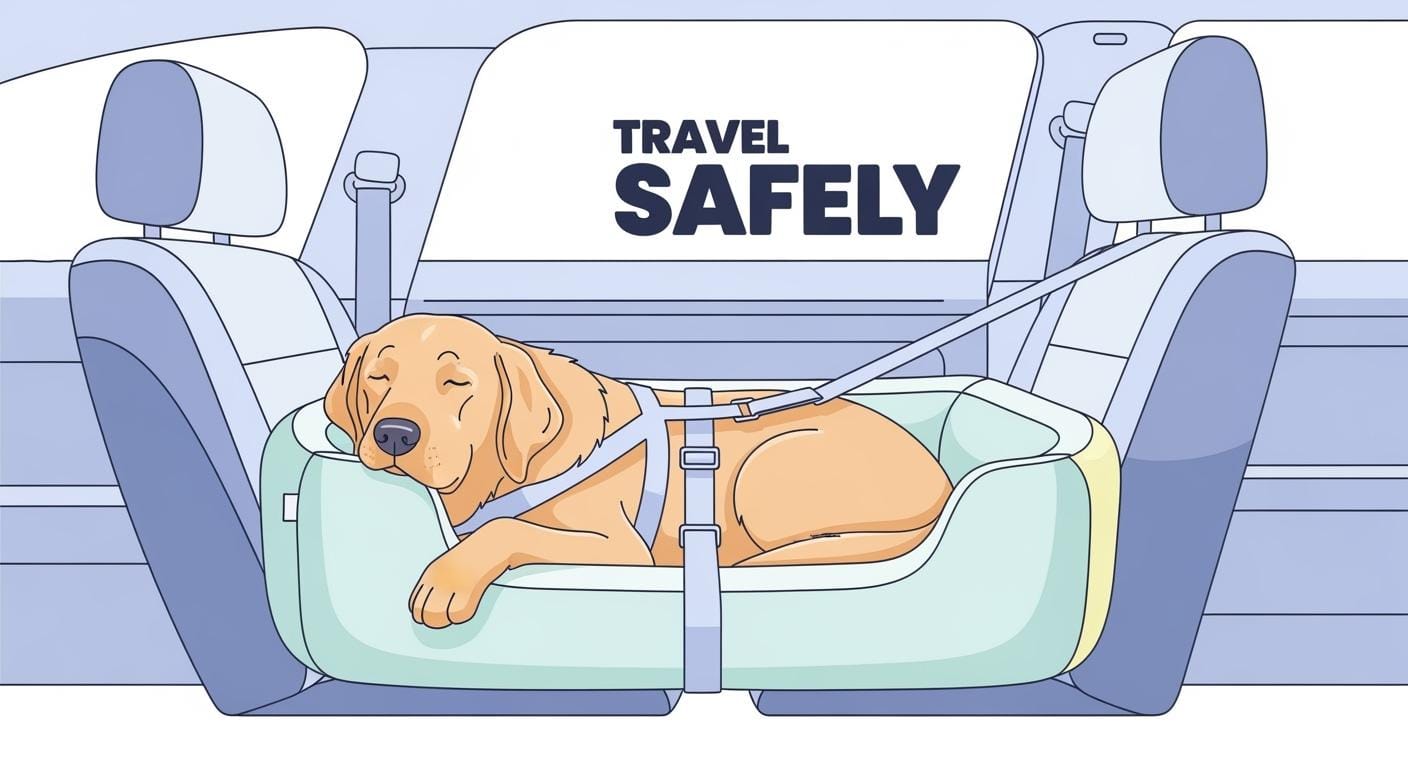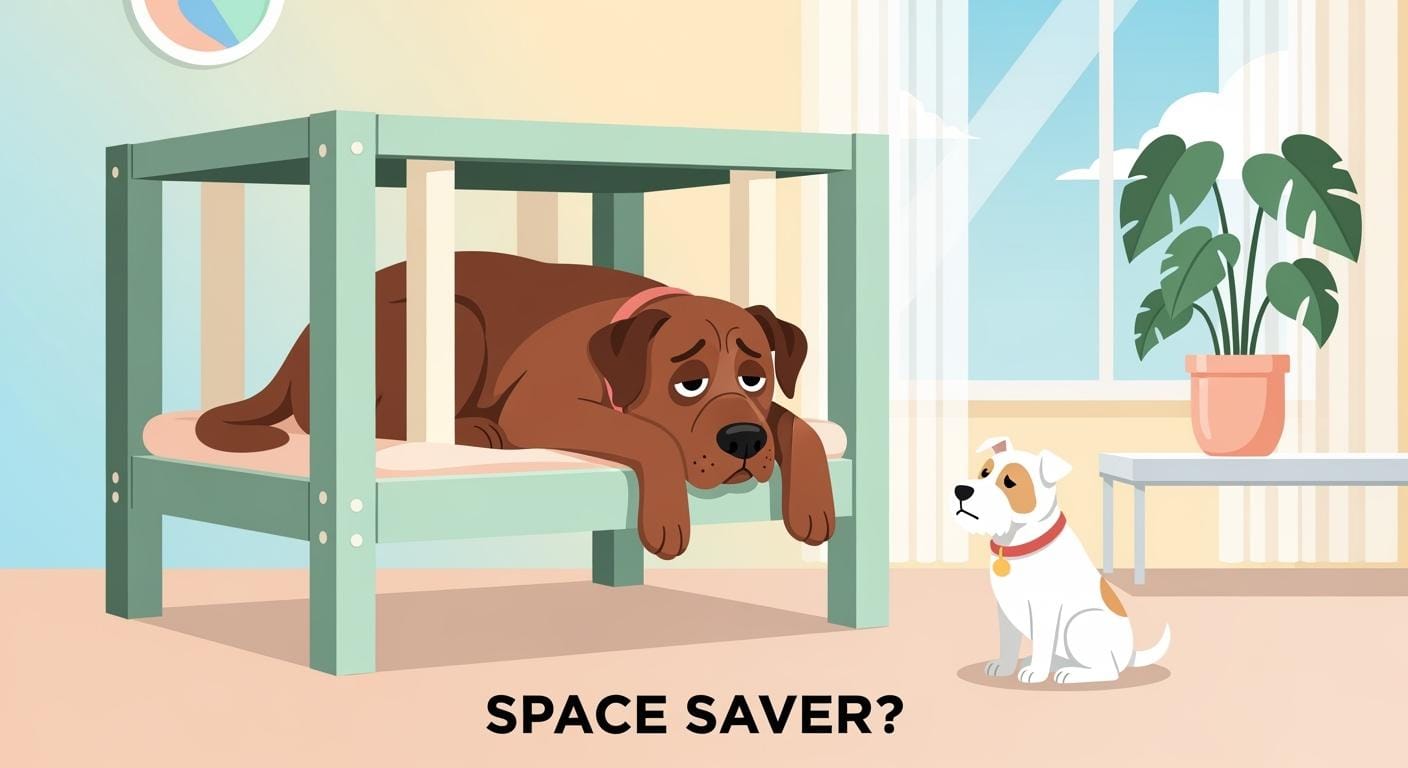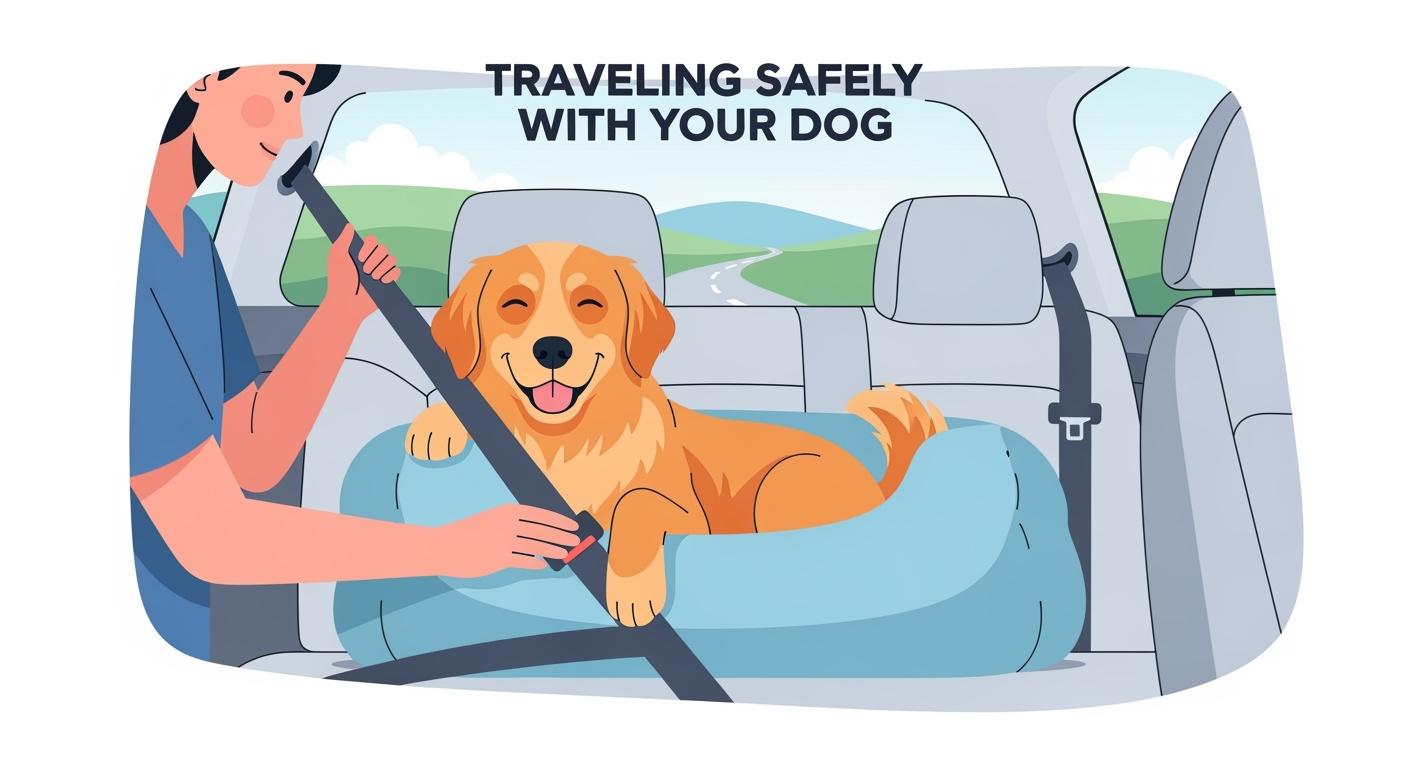
A dog car seat bed can make rear-seat travel feel softer and more settled, but comfort alone does not make the product work. The most common failures are structural: the base slides on turns, the side wall folds under pressure, the usable rest area becomes smaller than expected, or the restraint path becomes awkward once the dog is inside.
A stronger dog car seat bed should be judged by how it behaves inside the vehicle, not only by how padded it looks. The better design keeps the rest surface usable, stays flat on the seat, supports the dog without forcing edge-perching, and leaves restraint access clear.
Product boundary: A dog car seat bed can support comfort and positioning, but it should not be presented as medical equipment, crash protection, or a replacement for a properly designed restraint setup.
Das Wichtigste in Kürze
- Dog car seat bed size and usable inner space matter more than the outside shell. Padding, bolsters, and vehicle seat curves can reduce the real resting area.
- A dog car seat bed is comfort and positioning gear. It should not be treated as crash protection or a substitute for restraint compatibility.
- Early product failure usually appears as sliding, leaning, edge-perching, bunching, heat buildup, or messy harness routing.
What a dog car seat bed can solve and what it cannot
A dog car seat bed works best when the dog already settles in the rear seat and needs a clearer, softer rest zone. The product can separate the dog from dirty upholstery, create a defined lying area, and make routine cleanup easier after wet paws, shedding, or short daily rides.
The product fails when it is expected to solve every travel problem at once. A bed does not automatically contain a dog, prove crash safety, or make a loose ride safe. A thick cushion can still slide. Tall bolsters can still collapse. A calm dog can still move forward during sudden braking. A travel-ready label does not matter if the product blocks restraint access or cannot stay stable on the actual seat.
| Common product assumption | What actually decides performance | Better design direction |
|---|---|---|
| A softer bed is always better | Softness helps comfort, but not stability or restraint access. | Use enough padding for comfort while keeping the base firm and flat. |
| Higher walls create a better ride | Tall walls can crowd inner space or collapse under pressure. | Use supportive walls that do not force the dog to perch on the edge. |
| A calm dog removes the need for restraint planning | Calm behavior does not remove movement risk during braking or turns. | Keep harness access clear and avoid layouts that hide buckle points. |
| Travel wording proves the setup is suitable | Marketing language does not replace real seat-fit performance. | Judge base grip, anchor points, wall support, and restraint compatibility. |
Safety boundary: Rear-seat positioning with clear restraint access is usually easier to inspect and keep consistent than a front-seat comfort setup.
Why comfortable-looking beds still fail in the car
A useful dog car seat bed needs size, fit, and materials to work together. Many weak designs begin with a product that looks generous from the outside but loses useful floor space once bolsters, padding, and the seat curve are inside the frame.
The next failure point is the base. A plush bed can still be the wrong structure if one corner curls up, the floor bridges across a contoured seat, or the whole bed shifts toward the buckle gap. Soft fill may look inviting, but if the bed cannot keep its shape during a turn, the dog ends up leaning, bracing, or stepping out instead of resting.
Restraint compatibility is another common weak point. If the bed covers the buckle area, creates too much tether slack, or makes the harness path twist behind the dog, the setup becomes harder to control. In that case, the product is not failing because it lacks softness. It is failing because comfort and restraint access were not designed together.
| Product area | Stronger performance signal | Failure signal | Better product choice |
|---|---|---|---|
| Rear-seat footprint | The base sits flat and aligned on the seat. | The bed overhangs, curls, rocks, or shifts. | Use a flatter base or a smaller footprint. |
| Usable inner space | The dog can turn once and lie naturally. | The dog rides on the wall or edge. | Judge the inner floor, not the shell size. |
| Entry edge | The side wall gives support without dragging the bed forward. | The entry edge folds, catches paws, or pulls out of place. | Use a lower entry or a more stable side wall. |
| Restraint compatibility | The harness path stays simple and controlled. | The route is tangled, loose, or hidden by padding. | Keep buckle and tether access visible. |
| Airflow and heat | The bed supports rest without excessive heat buildup. | The structure feels stuffy or traps the dog inside high padding. | Reduce coverage or choose more breathable construction. |
What early use reveals about product structure
Short, ordinary use often exposes whether the product structure is strong enough. The bed may look correct while parked, but turns, stops, seat angles, and dog movement reveal whether the base, walls, fabric, and restraint access actually work together.
A stronger design looks nearly the same after movement. The base stays flat, the main rest surface remains usable, the side walls hold shape, and the restraint path remains visible. A weak design shows small failures quickly: the bed drifts, one edge folds, the dog rests on the wall instead of the floor, or the dog stands repeatedly because the usable space does not feel secure.
| Observed failure | Likely product reason | What it says about the design | Better direction |
|---|---|---|---|
| Bed slides on mild turns | Weak base grip or loose install path | The bottom structure does not match rear-seat movement. | Use stronger anti-slip backing, better anchor routing, or a firmer base. |
| Dog leans on one wall | Usable space is too small or too narrow | The product is relying on outside dimensions instead of inner floor space. | Increase usable width or reduce bulky side-wall volume. |
| Dog keeps stepping out | The open bed does not match the dog’s travel style | The structure is not enough for dogs that need containment. | Use a more structured carrier, crate, or restraint-based setup. |
| Bed bunches at one edge | The base does not match the seat contour | The floor is too soft, too flexible, or too poorly anchored. | Move to a firmer base or a flatter seat-contact design. |
| Heat builds quickly | Too much coverage, poor airflow, or dense padding | The comfort structure is trapping heat instead of supporting rest. | Use breathable panels, lower walls, or less enclosing padding. |
Restraint boundary: A collar-based tether path is a mismatch for car-seat use. A product layout should keep chest-supported harness routing clear and avoid hidden or twisted connection points.
When a dog car seat bed is the wrong travel structure
A bed is not the right answer for every dog or every trip. Some dogs need fuller containment because they climb out, pace constantly, or settle better in an enclosed structure. Some dogs are too large for a bed-style footprint to stay stable. Some vehicle seats are too narrow, too sloped, or too contoured for a soft base to sit correctly.
Shape recovery, cleanability, and car-seat safety limits still matter, but they cannot rescue a bed that repeatedly slides, folds, crowds the dog, or blocks restraint access. If the same structural problem returns after careful positioning, the better match is usually a different travel product, such as a secured carrier, a secured crate, or a restraint setup that matches the dog and vehicle more closely.
A dog car seat bed is strongest when the goal is comfort-first rear-seat travel for a dog that already settles well. It is weakest when it is expected to work like both a soft mattress and a containment or restraint system at the same time.
The best dog car seat bed is not simply the softest one. It is the one that stays flat, keeps the rest surface usable, supports the side walls without crowding the dog, works cleanly with restraint, and still looks right after real movement.
Häufig gestellte Fragen
When is a carrier a better match than a dog car seat bed?
A carrier is a better match when the dog needs fuller containment, repeatedly leaves the bed, or settles better in an enclosed space. A dog car seat bed fits dogs that already relax in an open rear-seat setup.
Does a softer bed design always perform better during travel?
No. Extra softness may feel comfortable at first, but it can still fail if the base slides, the walls collapse, or the usable interior becomes smaller than it looks.
Can a dog car seat bed replace restraint planning?
No. A bed can help comfort and positioning, but it should not be treated as a restraint system. A stronger product layout keeps restraint access visible instead of hiding the buckle or twisting the tether path.
What is the clearest sign that the bed structure is wrong?
Repeated sliding, bunching, edge-perching, awkward entry, stepping out, or heat buildup points to a structural mismatch. These signals say more than the product label or the amount of padding.
Travel boundary: A dog should not be left inside a parked car. A comfort bed does not remove heat, ventilation, or vehicle-safety risks.