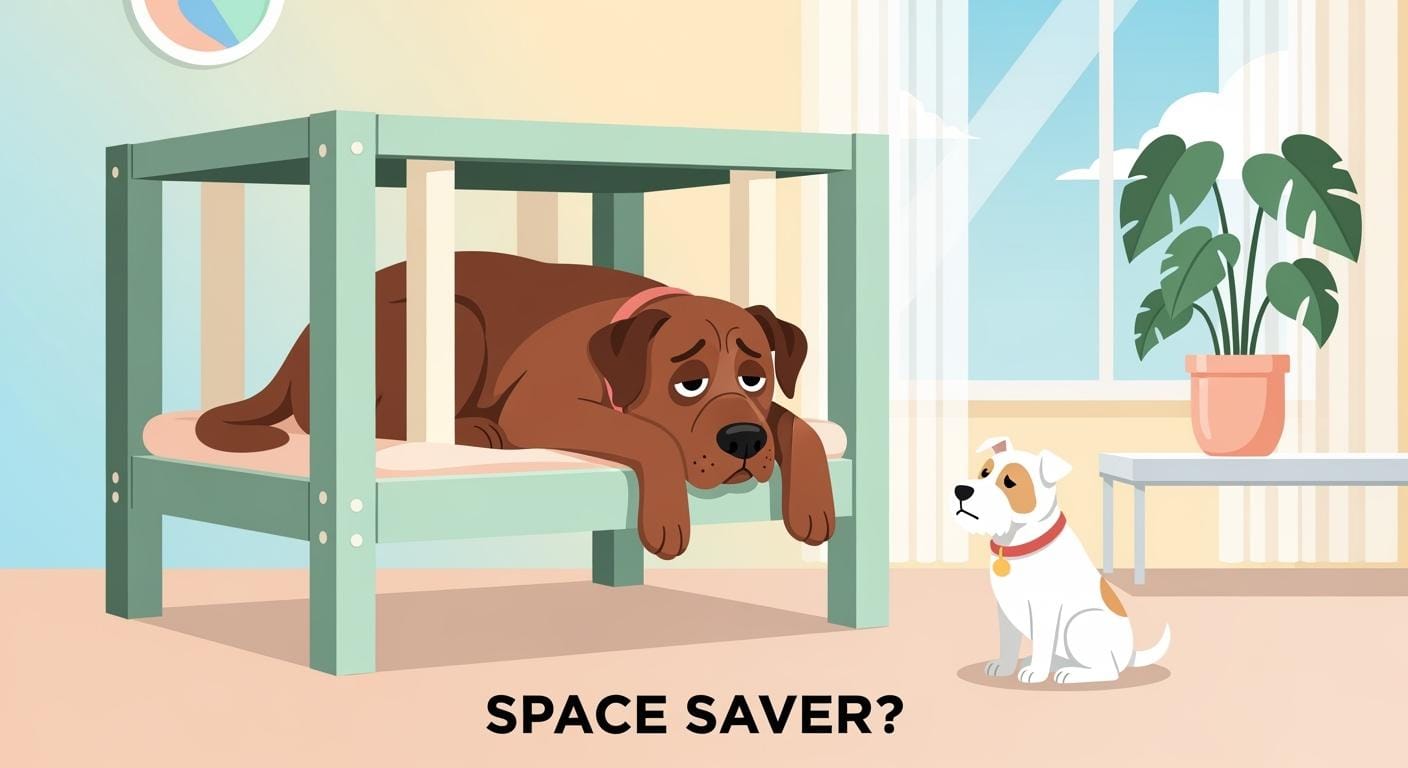
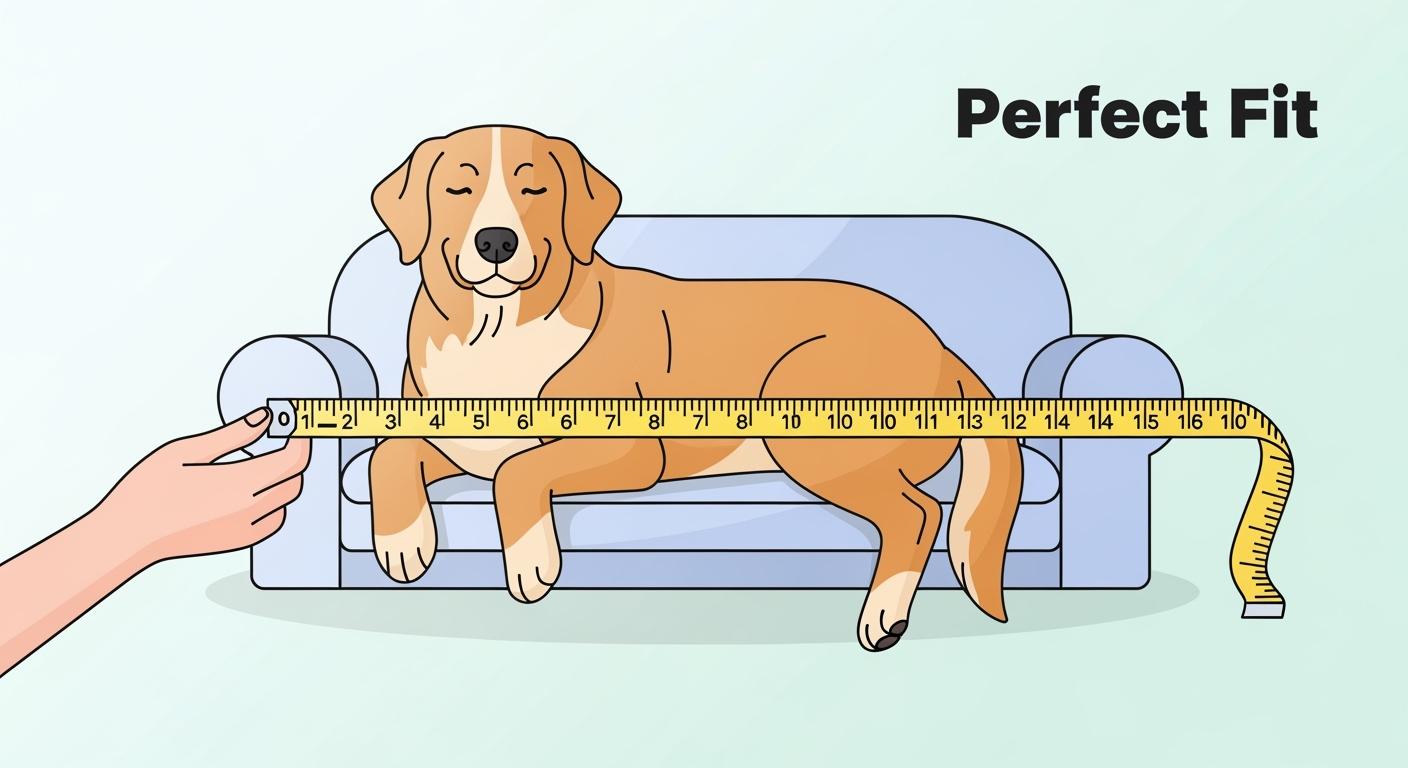
A dog bed couch can look like an easy home-comfort product, but the real fit problem often hides inside the frame. A large outer footprint may still leave a narrow flat sleeping area once bolsters, raised corners, thick padding, and sloped edges take up space.
For B2B buyers, this is not just a pet-owner sizing question. It affects whether the product matches the dogs and home-use scenarios your customers expect it to serve. Before choosing or developing a dog bed couch, judge the usable sleep surface, support structure, cover practicality, and shape limits instead of relying on the size label alone.
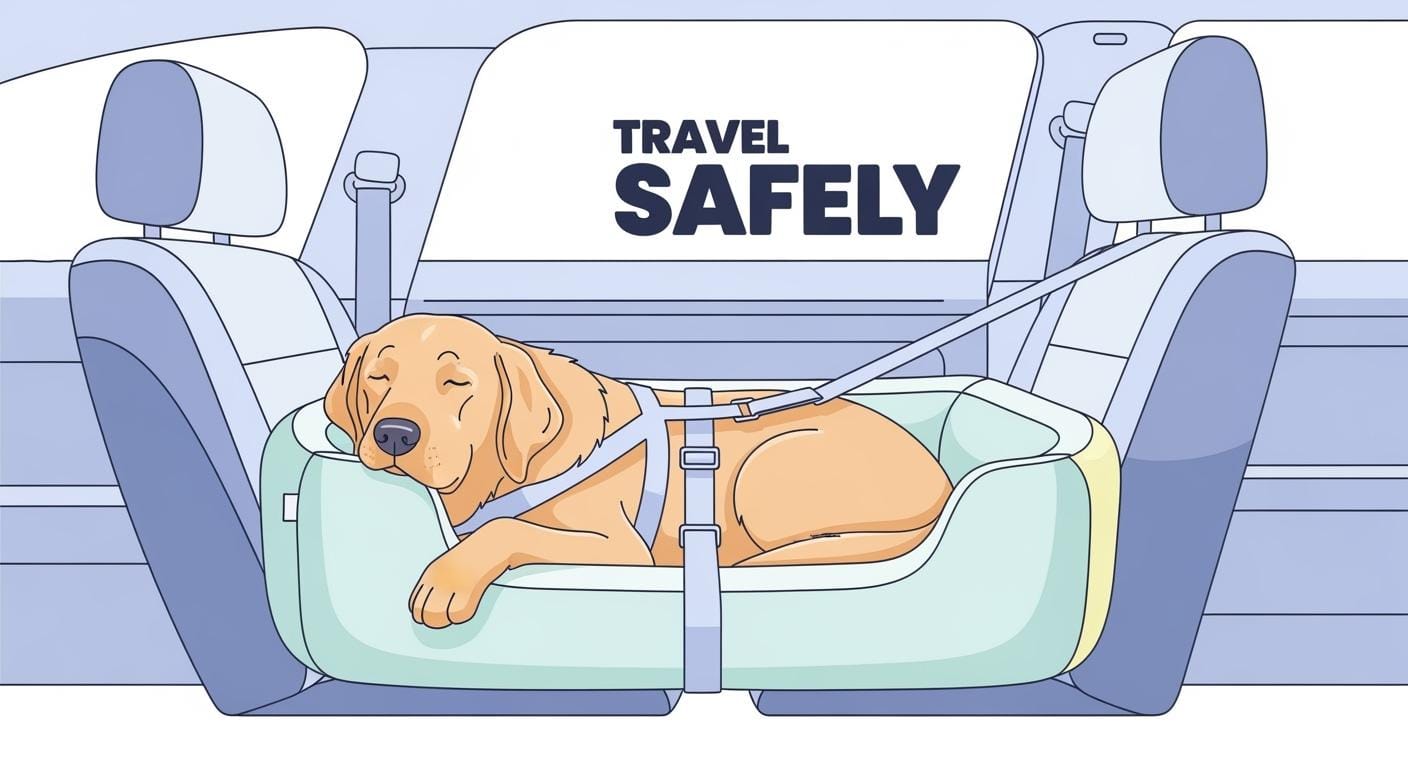
The same issue appears in hybrid home-and-travel products such as a 3-in-1 pet travel seat and home bed, where cushion thickness, raised sides, and convertible structure all change how much resting space the dog actually gets.
Key takeaways
- Judge a dog bed couch by the usable inner surface, not just the outside footprint.
- Bolsters, raised walls, rounded corners, and thick padding can reduce real sleeping space.
- Side sleepers, sprawlers, leaners, and curlers do not need the same center width or edge shape.
- A strong product choice balances flat support, edge comfort, cover cleaning, and easy entry.
- For B2B sourcing, the best fit is the one that matches the use case clearly without hiding space loss inside the structure.
Why dog bed couch sizing fails when outer dimensions look right
The most common mismatch starts with outer dimensions. A couch-style dog bed often includes padded walls, corner curves, a raised back, side bolsters, and sometimes a front lip. These parts make the product look more supportive, but they also reduce the flat center where the dog actually rests.

This matters because the buyer may think the product covers a larger dog size than it really does. The dog may fit across the total frame, but the hips, shoulders, or paws can drift onto the bolster slope. That is a product-fit issue, not a small detail.
| What to check | Why it matters | Common sourcing mistake |
|---|---|---|
| Outer footprint | Shows how much floor space the bed takes | Assuming the whole footprint is sleep space |
| Inner flat surface | Shows where the dog can actually rest | Ignoring how much space bolsters remove |
| Bolster thickness | Changes usable width and turning room | Choosing a thicker edge without checking center loss |
| Entry height | Affects access for senior, short-legged, or stiff dogs | Focusing only on softness and ignoring step-in comfort |
If a dog bed couch is sold or sourced mainly by the outside size, the product can look right in a catalog but feel wrong in real use. For buyers, the safer question is simple: how much flat, supportive space remains after the couch structure is included?
How to judge the usable sleep surface before sourcing
A useful dog bed couch needs enough flat space for the dog to lie in its normal resting posture. That does not always mean the longest possible stretch. Some dogs curl tightly, some lean into an edge, and some lie on one side with legs forward. A product that only fits one posture may feel restrictive in daily use.
Start with the bed structure itself. Check the inside length, inside width, and how much of the center panel stays level. Then compare that usable area with the body types the product is meant to serve. A bed aimed at compact curlers can use bolsters more aggressively. A bed aimed at side sleepers or large-framed dogs needs a wider, flatter center.
Use these product checks before choosing the size range
- Confirm whether the stated size is outer size or inner sleep surface.
- Check whether the bolster slopes inward and reduces shoulder or hip room.
- Look at the flat center panel, not only the full fabric outline.
- Match the bed shape to curlers, sprawlers, leaners, or dogs that switch positions.
- For larger dogs, avoid designs where thick edges make the center panel look crowded.
For products positioned around joint comfort, the size check should connect with support as well. An orthopedic dog bed setup only works well when the support surface is large enough for the dog to rest evenly, not just when the foam feels soft at first touch.
Shape, support, and cover details that affect real use
After the usable surface looks right, the next decision is whether the couch format fits the product purpose. A dog bed couch is usually chosen because it looks more secure and home-friendly than a flat mat. That advantage only holds if the edge design does not crowd the dog or make entry harder.
Match the couch shape to the intended dog type
- Curled sleepers: A couch bed can work well when the center still supports the hips and ribs.
- Side sleepers: A wider flat middle is more important than high edges.
- Leaners: A firm side bolster can help, but the dog still needs torso support on the center panel.
- Older or stiff dogs: Lower entry and stable base structure matter more than a tall, plush wall.
Check support before softness
Softness is easy to notice, but support decides whether the bed keeps its shape. A plush couch bed can still fail if the center collapses, the edge rolls inward, or the base slides during entry and exit. For B2B buyers, this is where material selection, foam density, stitching, and edge construction become more important than appearance.
A good product should keep the dog level across the center, hold the edge shape under leaning pressure, and avoid bunching under body weight. If the bed targets heavier dogs, the center panel needs enough firmness to resist sagging while the cover remains comfortable and easy to clean.
Make cover cleaning part of the product decision
A removable cover is more practical than a couch bed that can only be spot cleaned. For home-comfort products, fabric finish, zipper placement, liner protection, and drying speed all affect whether the bed remains usable over time. The same logic applies when comparing tougher options in an indestructible dog beds guide: durability only helps when the product also fits the dog and cleans realistically.
Fit checks that reveal a product mismatch
A dog bed couch should not be judged only by how it looks on a product page or in a showroom. The real test is whether the structure supports normal rest without forcing the dog into one position. For sourcing or product review, these checks help separate a good-looking bed from a better-fitting one.
Pass signs
- The hips, shoulders, and paws can stay on the flat center surface.
- The dog can turn and settle without stepping off the bed to reset.
- The edge supports leaning without pushing the body inward.
- The center panel does not collapse, bunch, or slope under weight.
- The cover can be removed and cleaned without fighting the bed structure.
Fail signs
- The rear legs or front paws hang off during normal rest.
- The dog ends up half on the sloped bolster instead of on the center panel.
- The bed looks large from outside but feels narrow inside.
- The base slides when the dog enters or exits.
- The edge design blocks easy access for the dog type the product is meant to serve.
If only one detail feels slightly off, the product may still work for a narrower dog type or a different sleep style. If the center surface is too small, though, the issue is usually structural. A larger inner sleep area, lower bolsters, a flatter center, or a different bed shape will be more reliable than simply making the outside frame look bigger.
Häufig gestellte Fragen
What should B2B buyers check first in a dog bed couch?
Check the usable inner sleep surface first. Outer dimensions show how much room the product takes on the floor, but the inner flat surface shows whether the dog can actually rest with the hips, shoulders, and paws supported.
Why can a dog bed couch look large but still fit poorly?
Bolsters, thick walls, rounded corners, and inward slopes can remove a lot of center space. The bed may look generous from outside while the dog has limited flat room to stretch, turn, or lean comfortably.
Is a couch bed suitable for every dog type?
No. Dogs that like leaning or curling often fit couch beds well. Broad sprawlers, large-framed dogs, or older dogs may need a wider center surface, lower entry, or a flatter rectangular design.
What matters more, softness or support?
Support usually matters first. A very soft bed can still feel unstable if the center collapses or the edge rolls inward. The better choice is a structure that keeps the dog level while still feeling comfortable.
When should a buyer choose a different bed shape?
Choose a different shape when the dog type needs more flat space than the couch frame allows. If the bolsters take too much room or block easy entry, a flatter bed or lower-edge design may be a better fit.