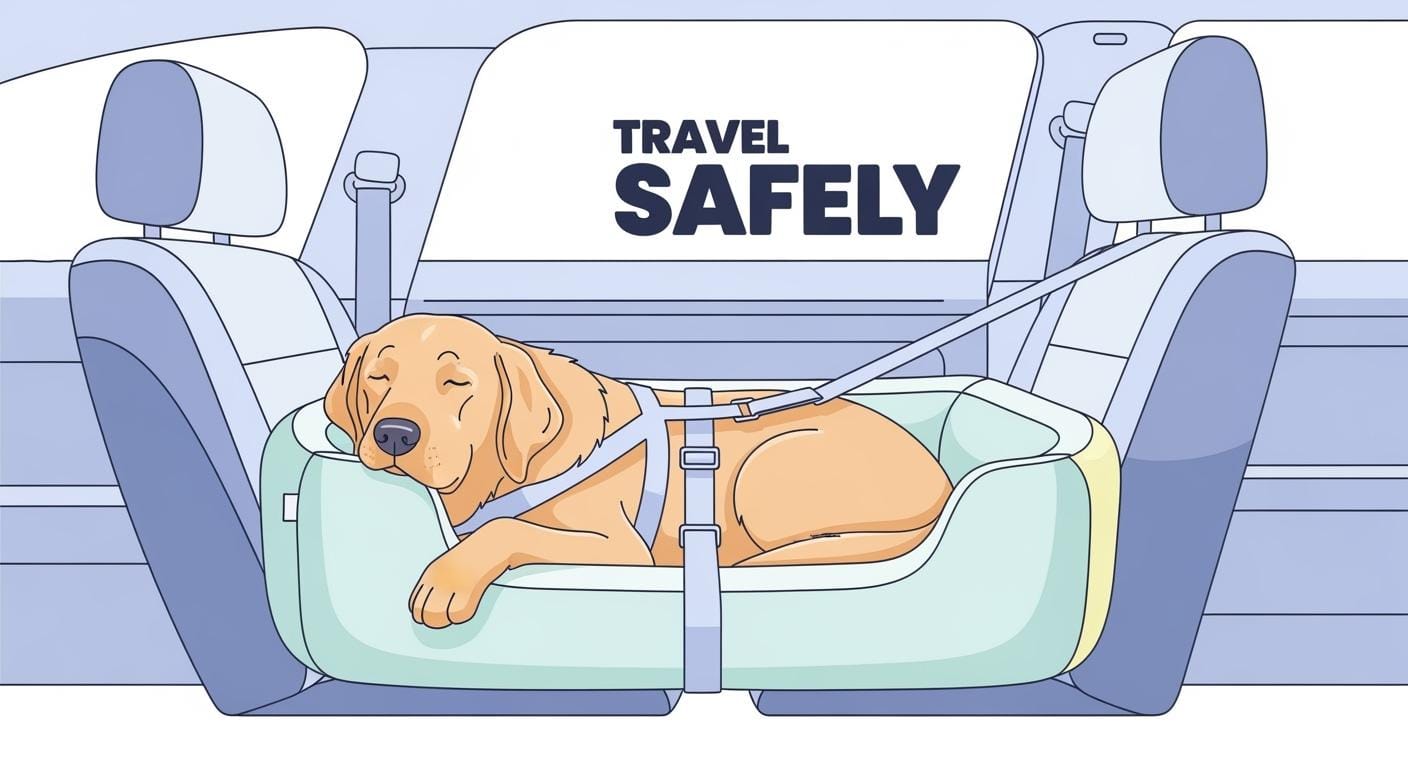
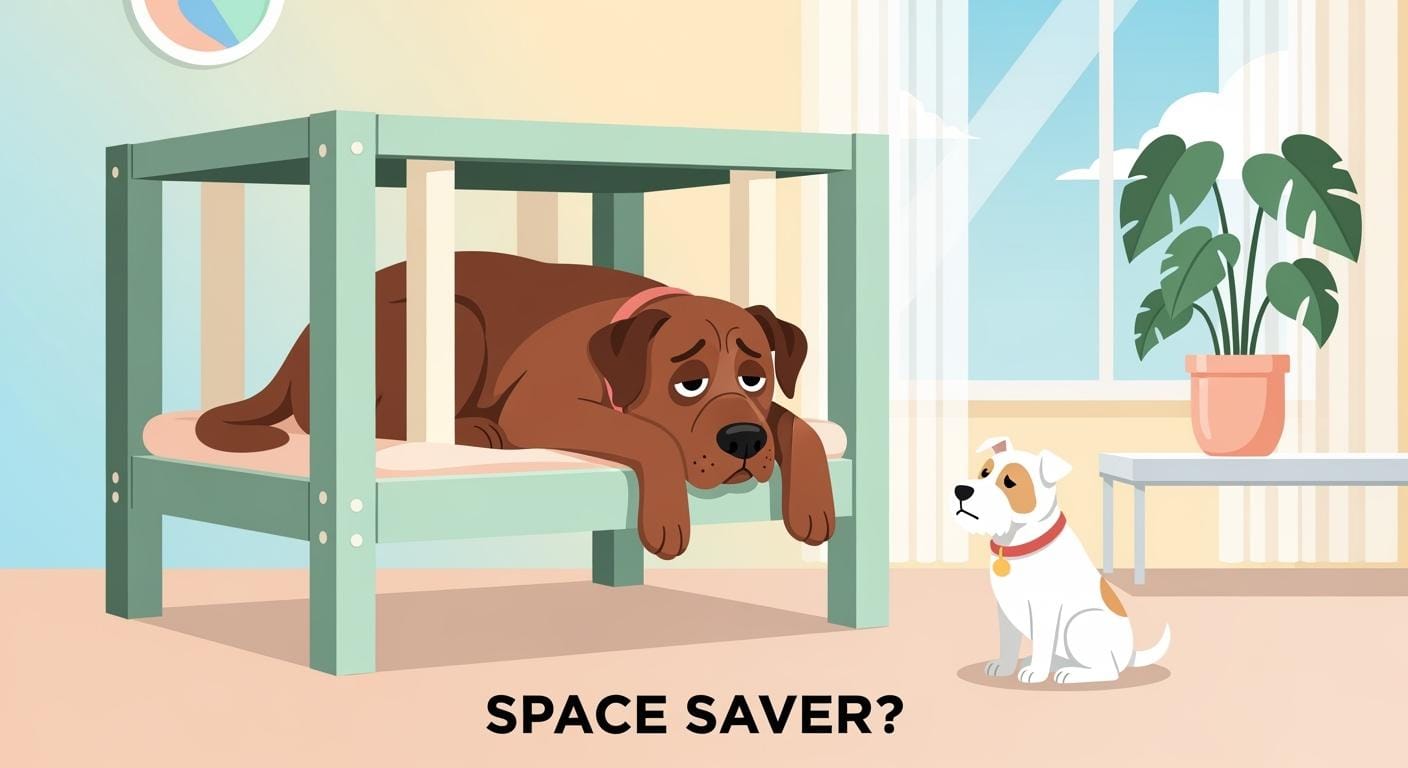
A bolster dog bed works best when your dog wants both softness and a clear edge to lean against. Many dogs sleep better when they can rest their chin on a raised side, curl into a corner, or feel a light boundary around part of the body. But a bolster bed is not automatically better just because it looks cozy. The real question is whether the shape, inner sleep space, and edge height match the way your dog actually rests at home.
That is why it helps to compare different indoor pet bed options by sleep style and daily use instead of choosing only by appearance.
Why some dogs settle better with raised edges
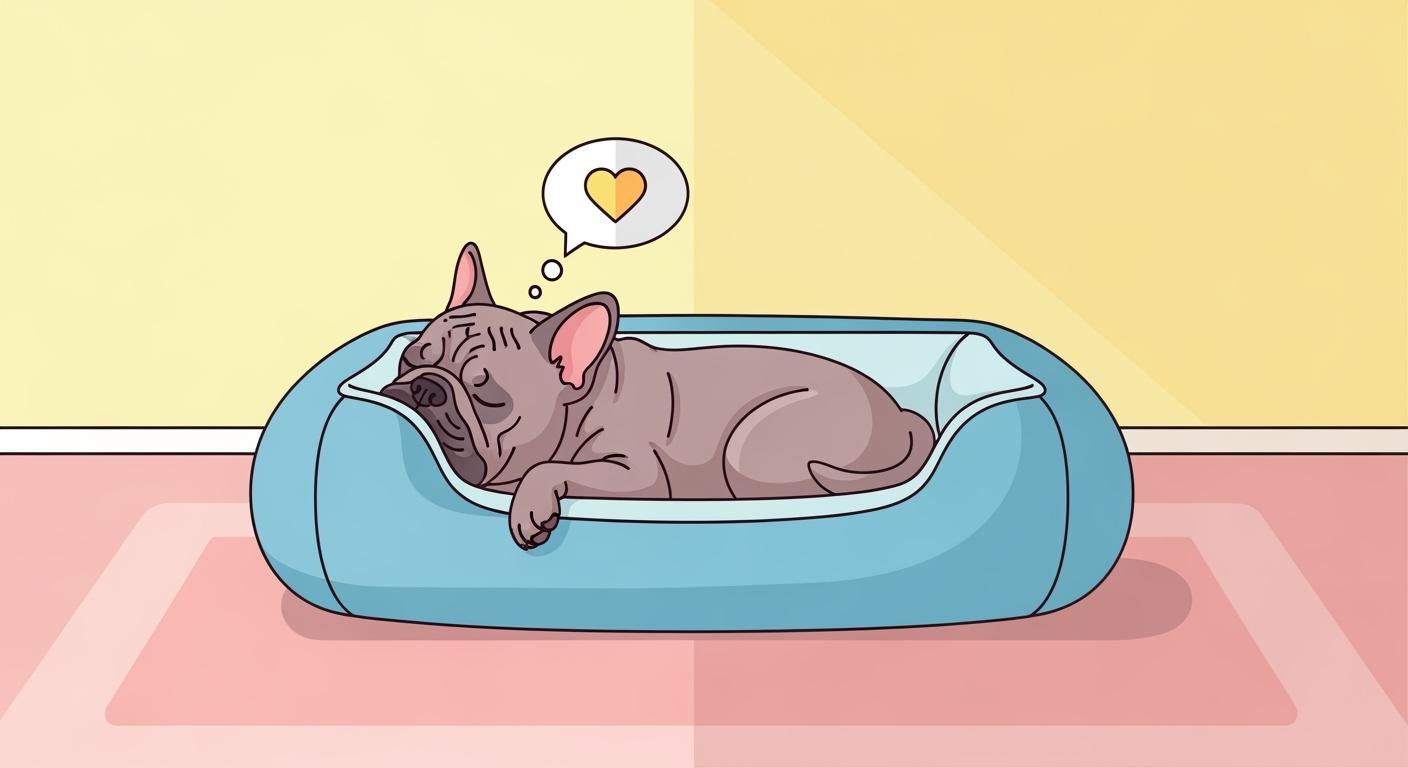
Raised edges can help when a dog likes to curl up, lean while resting, or use a firm edge as a pillow. Those sides can also make a bed feel more contained in a busy room, which is useful for dogs that are easily distracted by movement around them. The comfort comes from a mix of contact, support, and predictability, not from height alone.
Dogs that often do well with bolster beds
- Dogs that curl up tightly instead of sprawling flat.
- Dogs that rest the chin on sofa arms, cushions, or bed edges.
- Older dogs that seem to like light head and neck support.
- Dogs that settle better when their bed has clearer boundaries.
When the bed may feel more secure
Some dogs rest more easily when the bed is placed as part of a calmer home comfort setup, especially away from drafts, heavy foot traffic, and repeated noise. A bolster bed can help with that sense of calm, but placement still matters. If the bed sits in a loud hallway or next to constant movement, even a well-made bolster may not solve the problem on its own.
Quick rule: a bolster should support the way your dog already prefers to rest. It should not force a curler, leaner, and sprawler into one identical shape.
How to choose the right bolster height and inner sleep space
The biggest sizing mistake is paying attention to the outer bed dimensions but not the usable center area. Bolsters take up part of the footprint, so a bed that looks large from the outside can still leave too little flat space for the torso, hips, and shoulders.
Start with how your dog sleeps
| Sleep style | Usually needs | What can go wrong |
|---|---|---|
| Curler | Moderate to higher bolsters and a snugger center | Too much open space may feel exposed |
| Leaner | Firm edges that hold shape under the head or shoulder | Soft, collapsing bolsters give little support |
| Sprawler | More flat center space and lower or partial bolsters | Tall edges can feel confining and reduce usable room |
Measure the dog, then think about the sleeping posture
- Measure from the front of the chest to the base of the tail while your dog is standing naturally.
- Check shoulder width so the inner bed width is not cramped by the side walls.
- Add enough extra room for your dog’s real resting posture, not just standing length.
- Judge the inner cushion area separately from the outer bolster-to-bolster size.
What good fit should look like
Your dog should be able to lie down without the rib cage or hips spilling onto the bolsters unless that is how they intentionally rest. A leaner should be able to rest the head on the edge without the wall flattening right away. A sprawler should still have enough flat center space to extend naturally instead of being turned inward by high sides.
Check fill, edge hold, and easy-clean details before you buy
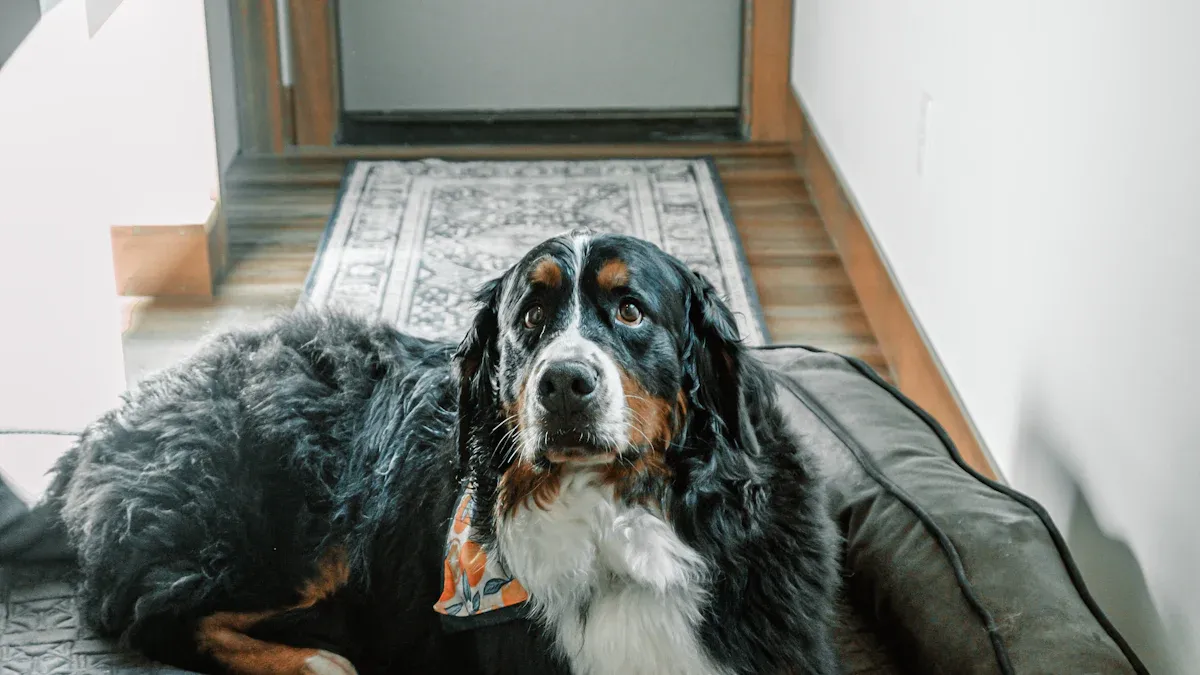
Even the right shape will disappoint if the center flattens too fast or the bolsters collapse under light pressure. A good bolster bed should keep enough structure to support rest while still feeling soft enough for everyday sleep.
What to look for in support
- A center cushion that does not bottom out too quickly under your dog’s usual weight.
- Bolsters that keep their shape instead of folding flat right away.
- Cover fabrics that feel comfortable against the coat and are not rough at contact points.
- Removable or easy-clean parts if your dog sheds heavily, tracks dirt, or drools while sleeping.
Why cover care matters
A bed can feel cozy on day one and become much less comfortable once odors, dampness, or compacted fill start building up. That is why washable covers, clean seams, and fill that rebounds reasonably well tend to matter more over time than extra decorative features. If chewing, digging, or edge damage are also part of the problem, it helps to compare how cover durability and edge hold affect whether a bolster bed stays usable indoors.
When a bolster bed may not be the best match
A very high-sided bed may not suit a dog that sprawls flat, gets hot easily, or prefers open sleeping space. Likewise, a soft decorative bolster may not help a dog that truly needs stronger head support. The answer is not always “more cushion.” Sometimes it is a lower bolster, firmer edge, or a different bed shape entirely.
Common mistakes that make a bolster bed feel worse instead of better
Most problems come from mismatch rather than from the idea of a bolster bed itself. A bed can be the wrong size, the wrong edge height, or simply placed in the wrong part of the house.
Mistakes to avoid
- Choosing by outer size without checking the inner sleep surface.
- Assuming higher bolsters are always better for comfort.
- Ignoring whether the dog curls, leans, or sprawls.
- Picking very soft edges that flatten when the dog tries to rest the head.
- Leaving the bed in a noisy, drafty, or high-traffic spot and blaming the bed shape alone.
What to recheck if the dog avoids the bed
- Move the bed to a calmer location.
- Look at whether the center is large enough for your dog’s real resting posture.
- Press on the bolsters and center cushion to see whether support is holding up.
- Check for heat, odor, dampness, or fur buildup that may make the bed less inviting.
- Notice whether your dog actually prefers more open space than a full bolster layout provides.
Häufig gestellte Fragen
Are bolster dog beds good for all dogs?
No. They often work well for curlers, leaners, and dogs that like resting against a boundary, but some sprawlers or heat-sensitive dogs may prefer a flatter, more open bed.
How high should the bolster be?
High enough to support the head or create a light sense of boundary, but not so high that it crowds the dog or reduces too much inner sleep space. The right height depends on whether your dog curls, leans, or sprawls.
What is the most common sizing mistake?
The most common mistake is judging only the outside dimensions. Bolsters take up room, so the usable center area can be much smaller than the overall footprint suggests.
How do I know the bolster is too soft?
If the side collapses right away when your dog rests the head on it, or if the dog keeps searching for firmer support elsewhere, the edge may not be holding enough shape.
What if my dog still does not settle in the bed?
Recheck the bed location, inner sleep space, edge height, and overall support. Sometimes the issue is not the concept of a bolster bed but a mismatch between the dog’s resting style and the bed’s shape or placement.