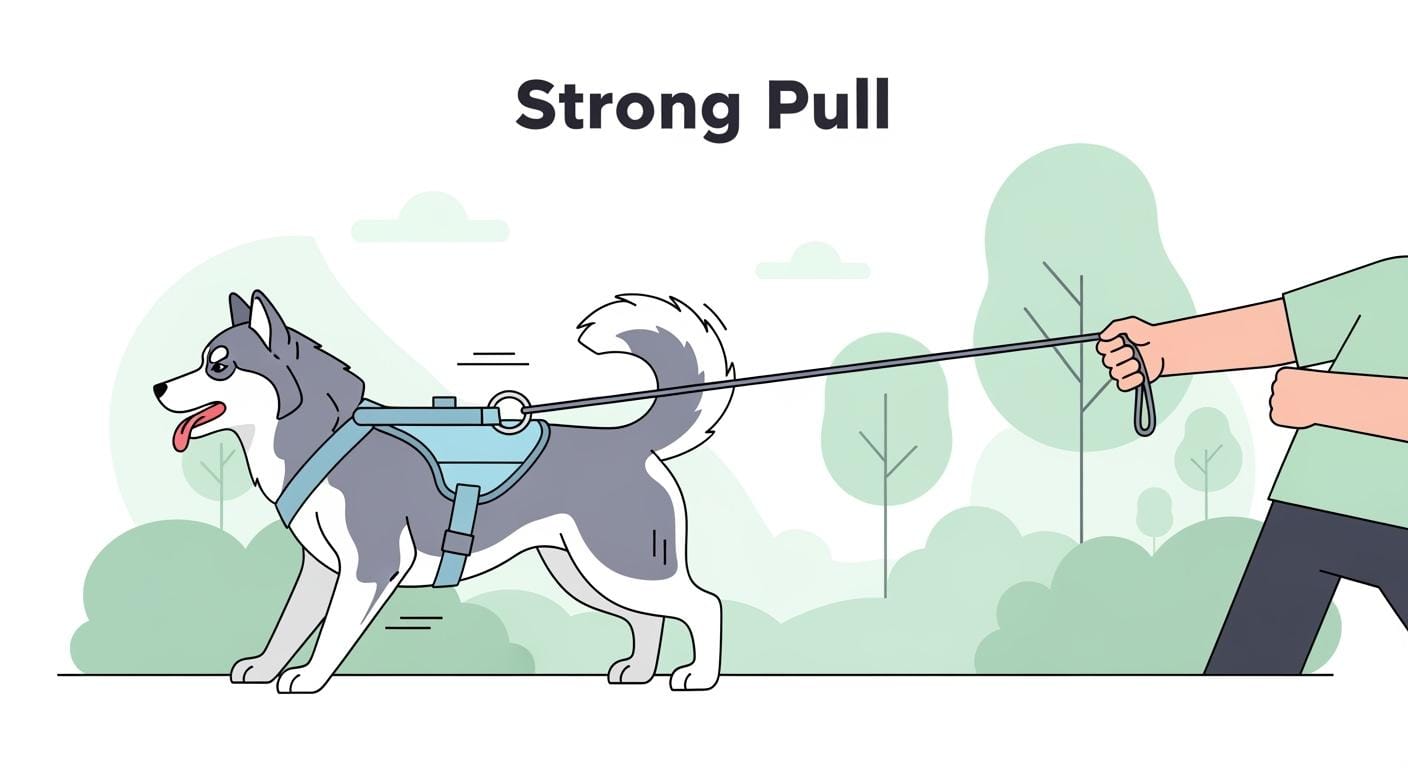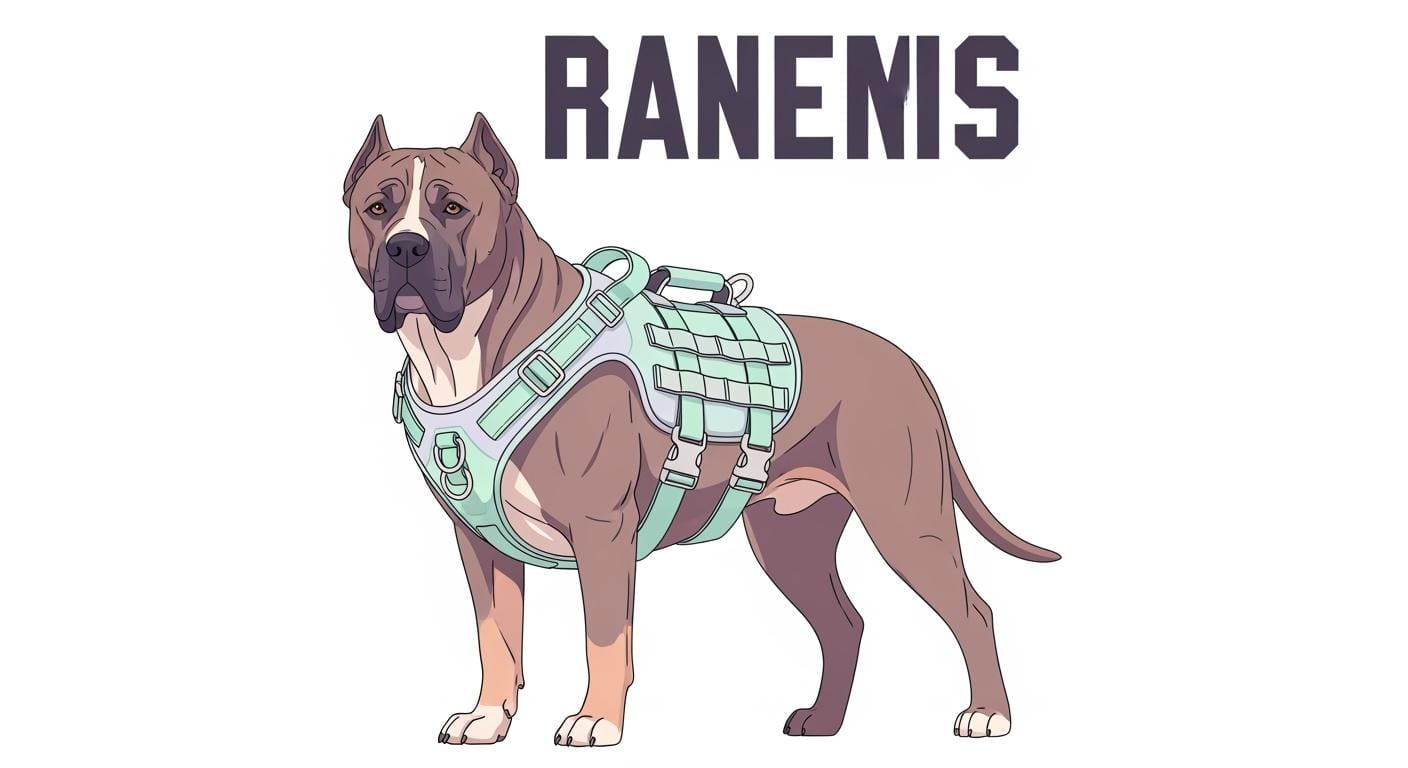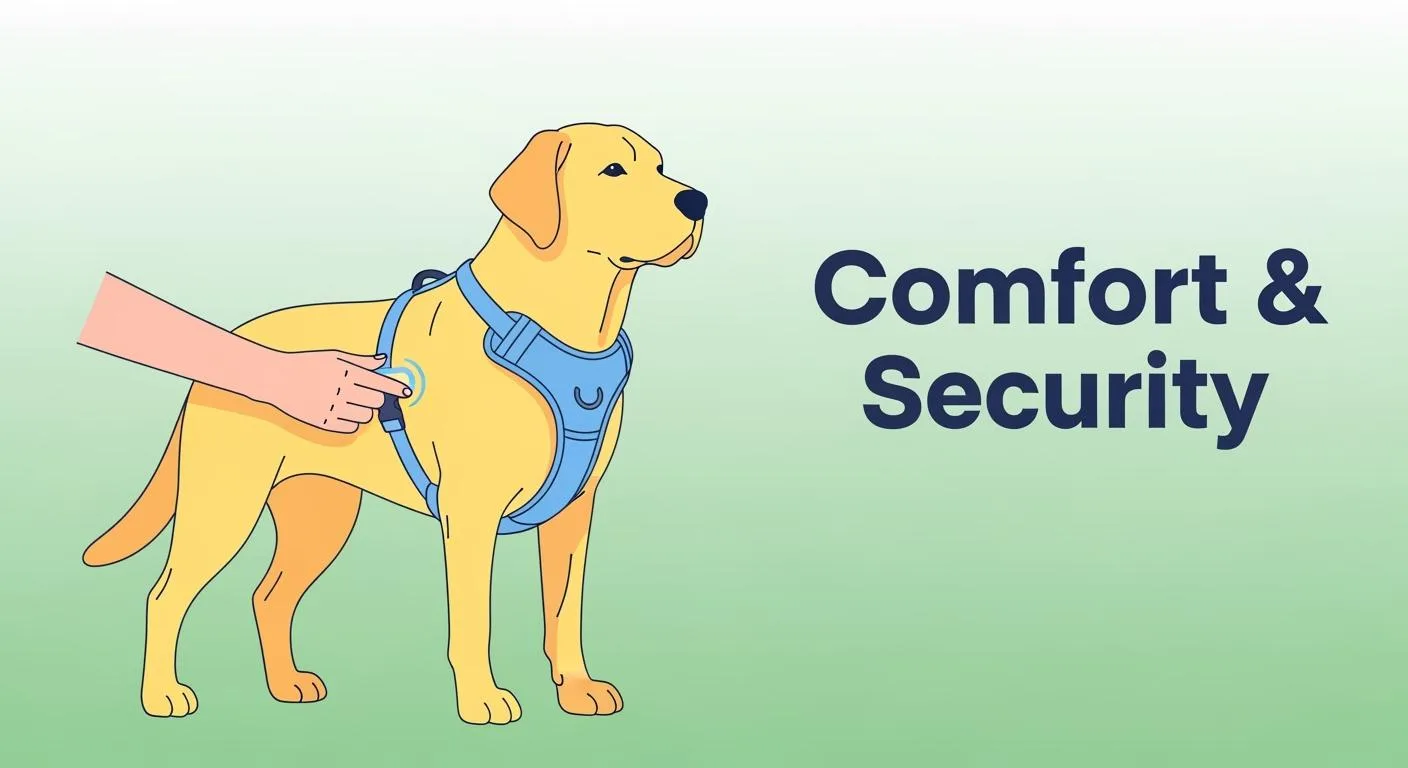
A big harness for dog use has to do more than look strong. Large breeds expose small fit problems very quickly. A chest section that sits a little too high can start pressing into the throat. A side strap that sits a little too close to the elbow can become a rubbing problem after one normal walk. A harness that looks centered at home can drift once real leash pressure shows up. The better setup usually comes from checking how the harness sits while the dog moves, not only while the dog stands still.
That is why it helps to compare everyday dog harness builds by body shape, strap layout, and walking use instead of choosing by size label alone.
Start with the shape of the dog, not just the size chart
Large breeds can share similar weight ranges and still need very different harness fits. Chest depth, shoulder width, neck shape, and stride length all affect how the harness behaves. This is why a harness that fits one large dog well may rub or slip on another large dog that weighs about the same.
What a better base fit should look like
- The chest section sits below the throat instead of creeping upward.
- The side straps stay clear of the armpit and behind-elbow area.
- The belly strap sits behind the ribcage without drifting forward.
- The harness stays centered instead of rotating to one side.
Warning signs the fit is already off
- Your dog shortens stride or looks stiff through the shoulders.
- The harness twists after only a few steps.
- You notice rubbing, flattened fur, or warmth in one repeated area.
- The front panel rides up once the leash gets tight.
Quick rule: if the harness only looks right in a standing fit check, you have not finished checking the fit yet.
Check strap position and shoulder freedom before chasing tighter adjustment
Most rubbing and slipping on large dogs comes from poor strap path or uneven tension, not from a simple lack of tightness. Tightening the harness without fixing the strap position often just moves the pressure to a worse place.
Use this quick movement check
- Put the harness on and center the chest section carefully.
- Adjust both sides evenly instead of tightening one strap more than the other.
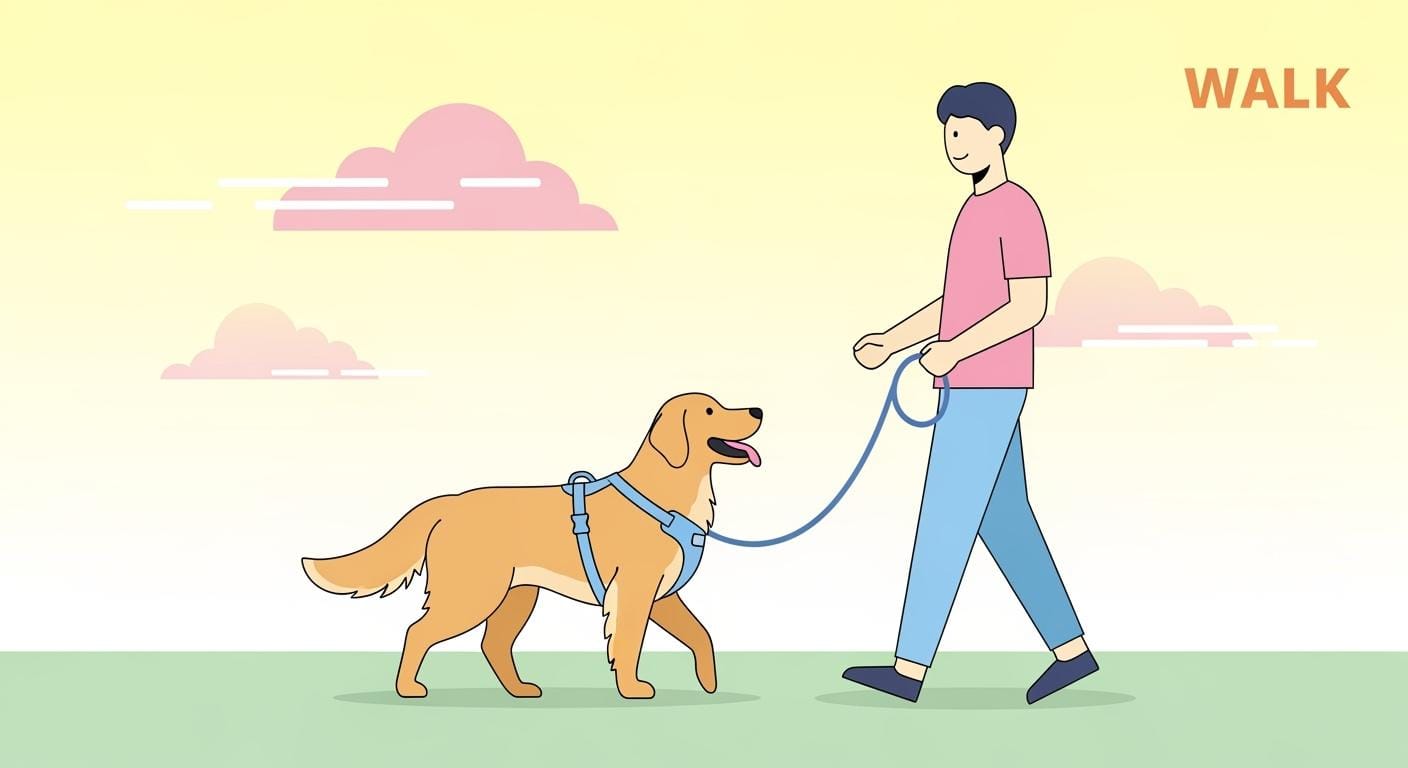
- Walk your dog in a straight line and then turn both directions.
- Watch whether the front legs still reach forward naturally.
- After the walk, run your fingers under every main strap and check for heat, grit, or coat damage.
| Area | Wie das aussieht | Was muss repariert werden? |
|---|---|---|
| Chest panel | Centered and low enough to stay off the throat | Slides upward or tilts off center |
| Shoulder zone | Front legs extend without the harness blocking the joint | Short stride, stiffness, or obvious restriction |
| Armpit area | Clear of strap pressure during movement | Rubbing, pink skin, or broken hair |
| Belly strap | Lies flat behind the ribcage | Moves forward or twists under tension |
When these checks keep failing, the problem is often easier to understand inside a steadier walking control routine instead of changing the fit randomly from walk to walk.
Rubbing and slipping usually come from a small pattern, not one dramatic mistake
Most large-dog harness problems build up over several walks. The strap sits a little too close to the elbow. The harness twists a little more on turns. Dirt and dampness stay under the same contact point. Then the dog starts scratching, slowing down, or avoiding the harness before you see obvious irritation.
Common mistakes that create repeat trouble
- Choosing by weight only and ignoring chest and neck measurements.
- Using a harness shape that blocks shoulder movement.
- Leaving the fit slightly loose because it “looks more comfortable.”
- Ignoring after-walk skin checks when the dog already showed small signs of discomfort.
- Letting grit, mud, or dampness stay in the same high-friction areas.
What to change first
- Re-center the chest section before doing any other adjustment.
- Reset all straps and retighten them evenly.
- Recheck the side strap position behind the front legs.
- Shorten the next walk and inspect the same pressure areas right afterward.
If you are still unsure whether the issue is size, shape, or use case, compare the current setup against a fuller harness sizing and use guide before deciding the current model is close enough.
Know when to stop using the current harness
A large-dog harness should feel more predictable and more comfortable once the fit improves. If the same problem keeps returning, the harness may simply be the wrong match for that dog’s build or movement pattern. At that point, more tightening and more trial-and-error usually do not solve the real issue.
Pause and reassess if you notice
- Repeated redness, broken hair, or warm skin under the same strap line.
- The front panel keeps riding toward the throat.
- The harness twists back out of position after each adjustment.
- Your dog shows a shorter stride, stiffness, or reluctance to move normally.
- The same slipping or rubbing pattern returns after multiple careful checks.
Wie ein besseres Ergebnis normalerweise aussieht
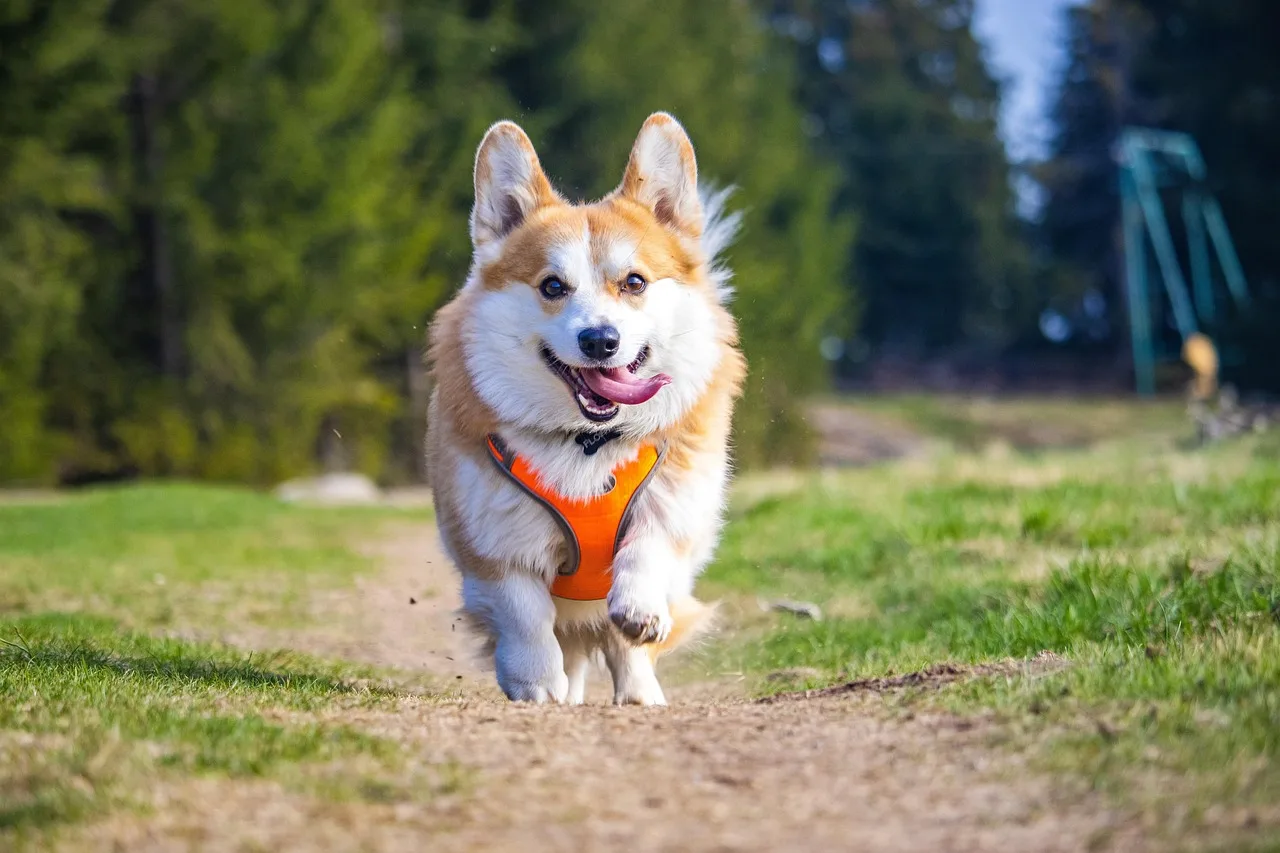
A good fit for a large breed should look quiet and steady. The chest panel stays centered, the shoulders remain free, the side straps stay away from soft friction zones, and the after-walk check does not reveal new sore spots. That is the standard worth keeping.
Häufig gestellte Fragen
Why does a large dog harness rub so easily?
Large dogs put more force through the harness, so small fit errors create more friction much faster. Strap angle, chest position, and armpit clearance matter a lot.
Is tightening the harness the best way to stop slipping?
Not always. Slipping often comes from poor strap path, wrong size, or the wrong harness shape. Tightening more can simply move pressure to a worse place.
How do I know if the harness blocks shoulder movement?
Watch the dog walk under normal leash tension. If the front legs stop reaching forward naturally or the dog shortens stride, the shoulder area may be restricted.
What is the most common hot-spot area on a big harness?
One of the most common trouble zones is behind the elbow and around the armpit, where strap drift and trapped grit can create repeated rubbing.
When should I stop using the current harness completely?
Reassess fully if the same rubbing or slipping keeps returning, the front panel rides into the throat, or your dog shows repeated discomfort even after careful adjustments.