You want to choose bicycle pet carriers for small dogs that fit your pet and your bike. Start with your dog’s real resting size, then check the carrier’s interior floor area, opening shape, bike mount, and tether setup. A good carrier lets a small dog sit, turn, and settle without crowding, while still feeling contained enough to stay steady on the ride.
This page focuses on fit and everyday riding setup. It does not replace veterinary advice for dogs with pain, breathing issues, motion sickness, or recovery needs.
- Measure your dog before shopping, not after a carrier is already chosen.
- Match the carrier to your bike’s mounting point and your usual riding route.
- Check tether length, entry opening, airflow, and cleanup before the first real ride.
Measure Your Dog and Match the Interior Space
You want your dog to feel secure and comfortable during every ride. The safest way to size bicycle pet carriers for small dogs is to compare your dog’s body position with the carrier’s usable interior space, not just the marketing label or weight limit.
- Body length: Measure from the front of the chest to the base of the tail while your dog stands naturally.
- Seated height: Measure from the floor to the top of the shoulders while your dog sits on a flat surface.
- Curled width: Watch how your dog curls up to rest and measure the widest point across the body.
Then compare those numbers with the carrier’s interior floor length, interior width, and usable side height. Avoid relying on blanket rules like “add a few inches.” The better check is whether your dog can do three simple actions at home:
- Sit without the head or ears pressing into the opening or cover.
- Turn around without twisting awkwardly or stepping on the tether.
- Settle into a resting position without sliding into one corner.
Quick check: If your dog looks wedged in place, braces against the walls, or cannot settle after a few minutes indoors, the carrier fit is likely off even if the listed weight limit looks acceptable.
Check Bike Setup, Entry, and Restraint Compatibility
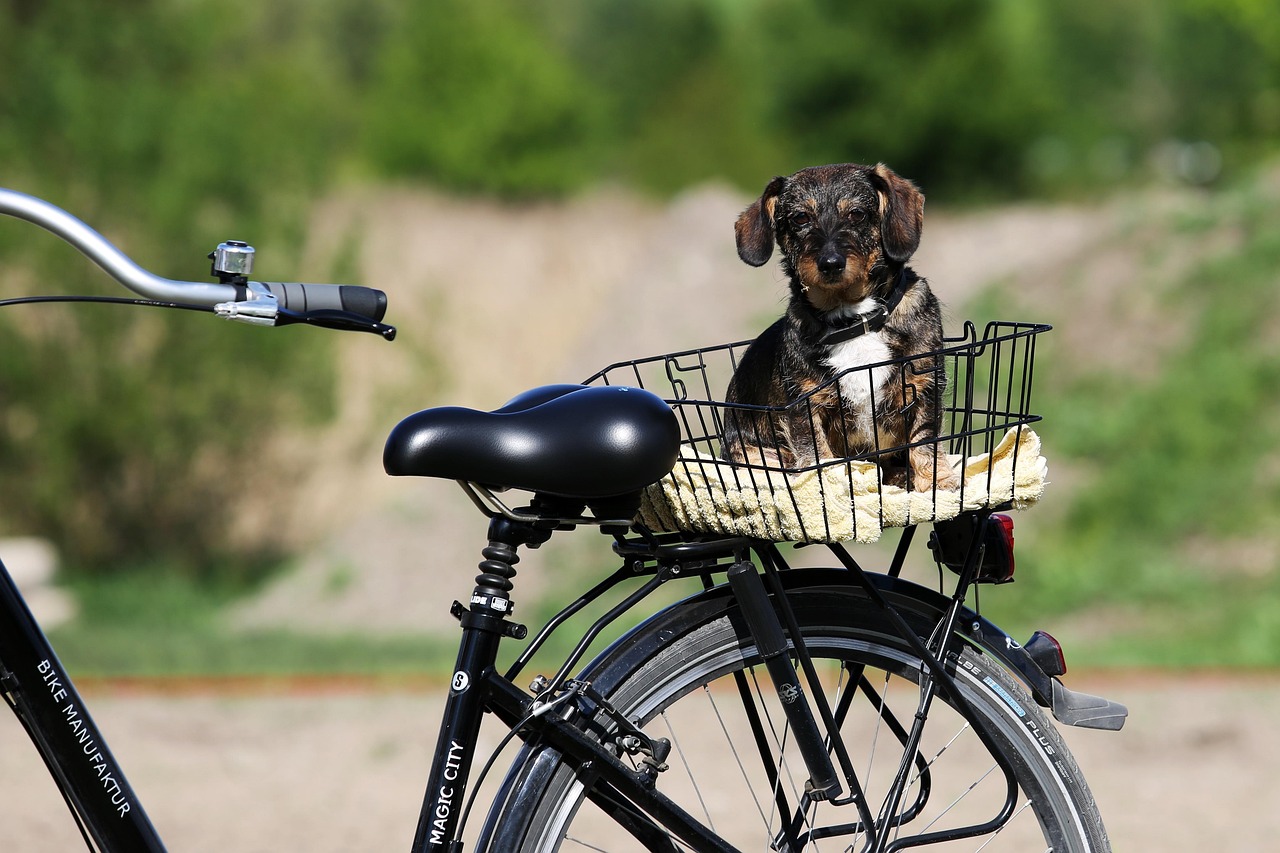
When you pick bicycle pet carriers for small dogs, safety is important. Fit is not only about the dog. It is also about how the carrier sits on the bike, how your dog gets in and out, and how the inside tether works with a harness.
A front-mounted carrier can change steering feel. A rear-mounted carrier can affect balance when starting, stopping, or riding slowly. A trailer usually gives more room, but it is a different footprint and needs more turning space. Check the actual mount type before buying, especially if your bike has a small front area, an unusual rack, or limited clearance around the handlebars.
| Check item | Pass signal | Fail signal | What to do |
|---|---|---|---|
| Entry opening | Dog can be placed in and lifted out without catching paws or shoulders | You have to force the dog through a narrow opening | Choose a wider opening or a carrier with easier top access |
| Mount stability | Carrier stays level during a gentle shake and while the bike is held upright | Carrier tilts, rattles, or shifts side to side | Recheck the hardware or move to a mount style that suits the bike better |
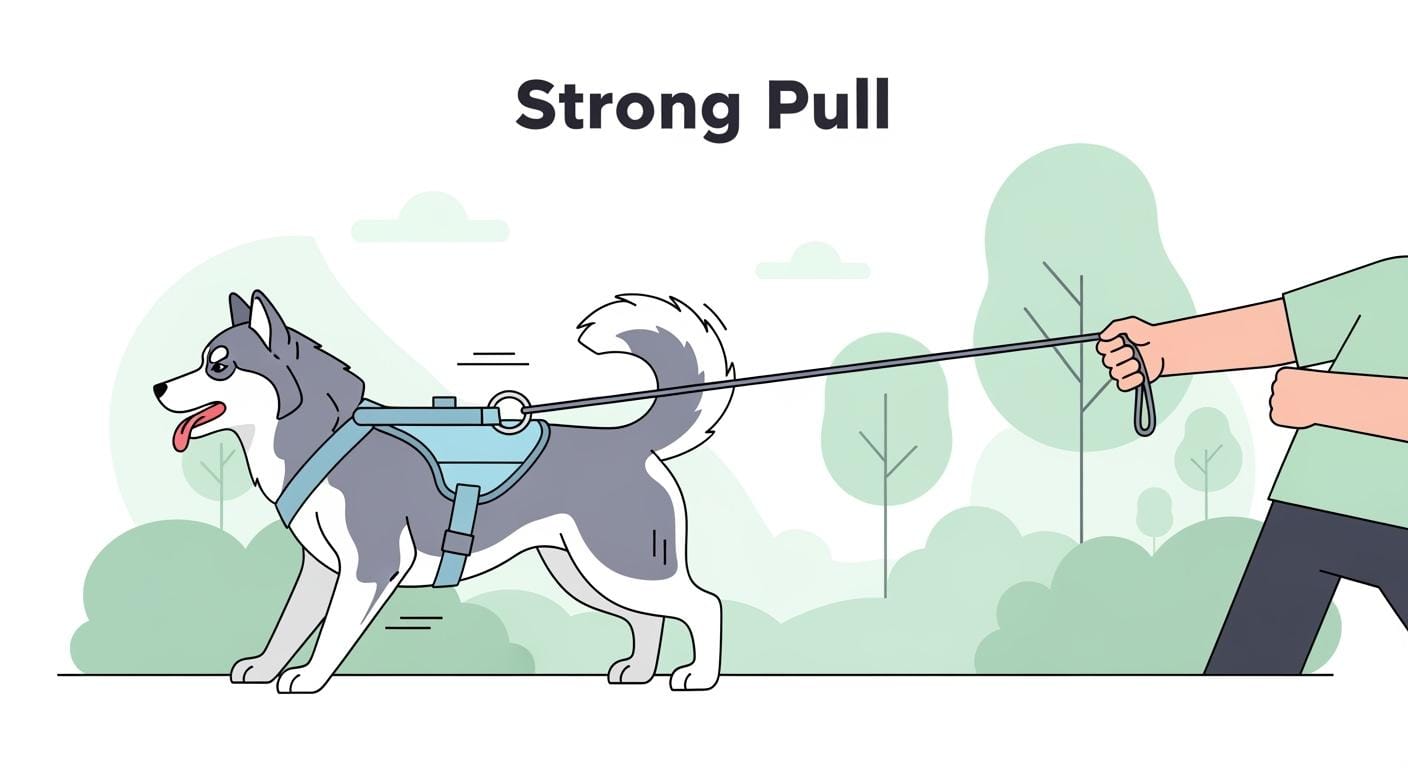
| Leinenlänge | Dog can sit and settle, but cannot climb over the edge | Tether is so short that the dog stays stiff, or so long that the dog can lunge out | Adjust the tether and clip it to a harness, not a collar |
| Airflow | Mesh or open panels allow steady ventilation around the resting area | Inside feels stuffy after a short indoor test | Choose a more open design or reduce weather cover use |
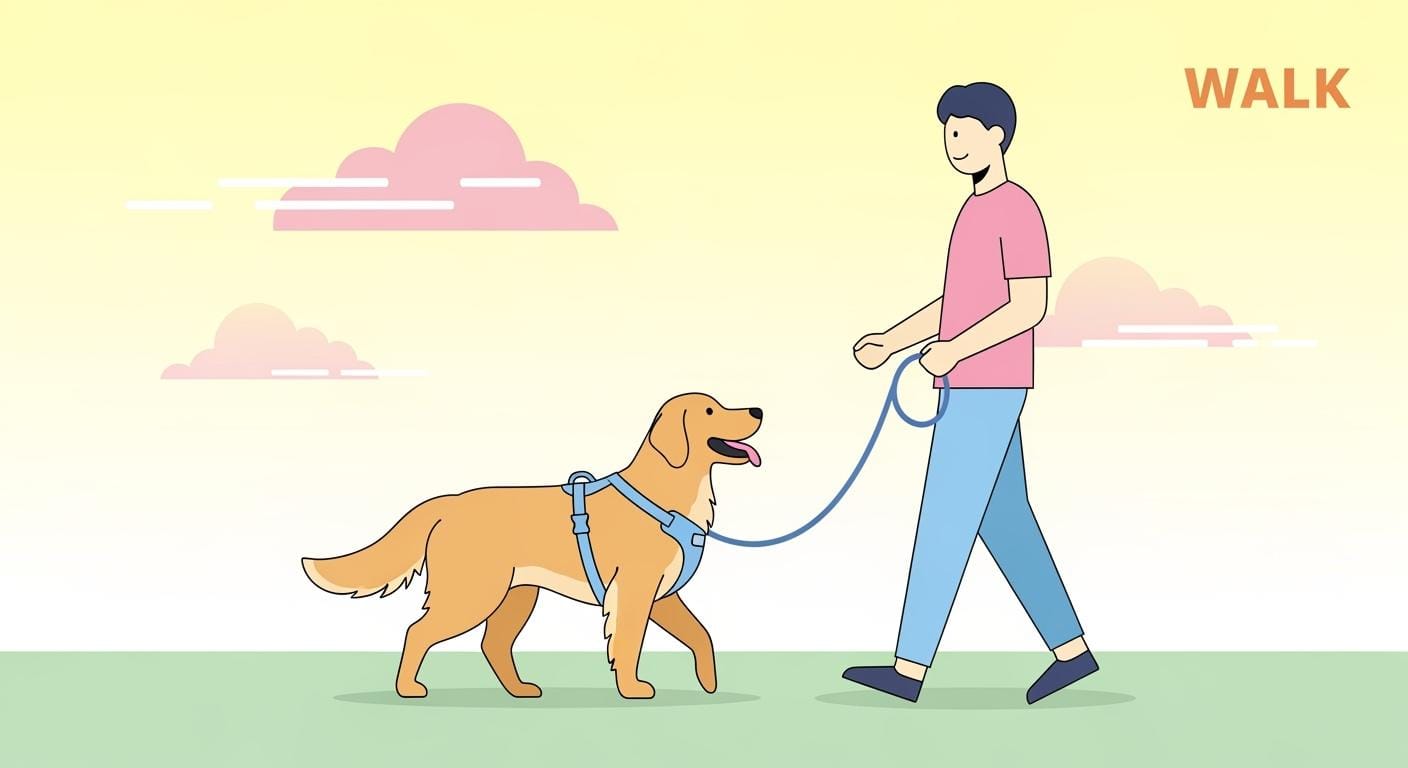
| Bike handling | You can start, stop, and ride slowly without fighting the setup | Steering feels pulled, front end feels overloaded, or rear setup sways | Change placement, reduce load, or choose a different carrier format |
Before the first outdoor ride, do a driveway or hallway test. Put your dog in the carrier at home, close it fully, lift the bike upright, and watch how your dog sits, turns, and settles. Then do one short, slow ride and recheck the tether, mount, and your dog’s body position right after stopping.
Choose Comfort, Cleanup, and First-Ride Checks
Comfort matters because a dog that shifts, braces, or overheats will not ride well even if the carrier technically fits. Look for a base that feels stable under the paws, inner surfaces that do not rub, and materials you can wipe or wash after regular use.
- Base support: The floor should stay flat enough that your dog does not sink into one side.
- Side shape: Soft walls can feel cozy, but they should not collapse inward onto the dog’s face or shoulders.
- Airflow: Mesh panels or open sections should sit near the dog’s resting area, not only high above it.
- Cleanup: A removable liner or wipe-clean base is easier to manage after muddy paws or longer outings.
- Weather use: Covers can help in light wind or drizzle, but a more closed setup can also reduce airflow, so check the balance rather than assuming “more covered” is always better.
These comfort checks are especially important for B2B buyers and product teams because poor airflow, awkward entry, and hard-to-clean interiors often drive returns even when the listed size looks correct.
Before the first outdoor ride, avoid these common setup mistakes:
- Choosing by weight limit only and ignoring interior floor space.
- Using a basket or open container that was not designed for bike pet transport.
- Clipping the inside tether to a collar instead of a harness.
- Skipping the indoor fit test and going straight to traffic or rough surfaces.
- Assuming a calm dog at home will stay calm once the bike starts moving.
- Ignoring cleanup needs until the first wet or dusty ride.
First-ride routine: Start with a short indoor settle test, then one slow ride on a quiet route, then a full recheck of the mount, tether, entry closure, and your dog’s posture before any longer outing.
Häufig gestellte Fragen
How do I know the carrier is too small?
If your dog cannot sit naturally, turn around, or curl up without pressing against the walls or opening, the interior space is likely too tight.
Is a front carrier or a rear carrier better?
Neither is automatically better. Front setups are easier to watch while riding, but they can change steering feel. Rear setups can free the handlebars, but they still need stable mounting and good balance. The better choice depends on your bike and your dog’s size and behavior.
Can I use a bike carrier for car travel too?
Do not assume bicycle carriers are interchangeable with car travel products. Bicycle carriers are chosen for bike mounting, tether use, and airflow during rides, while car products need a different fit and use context.