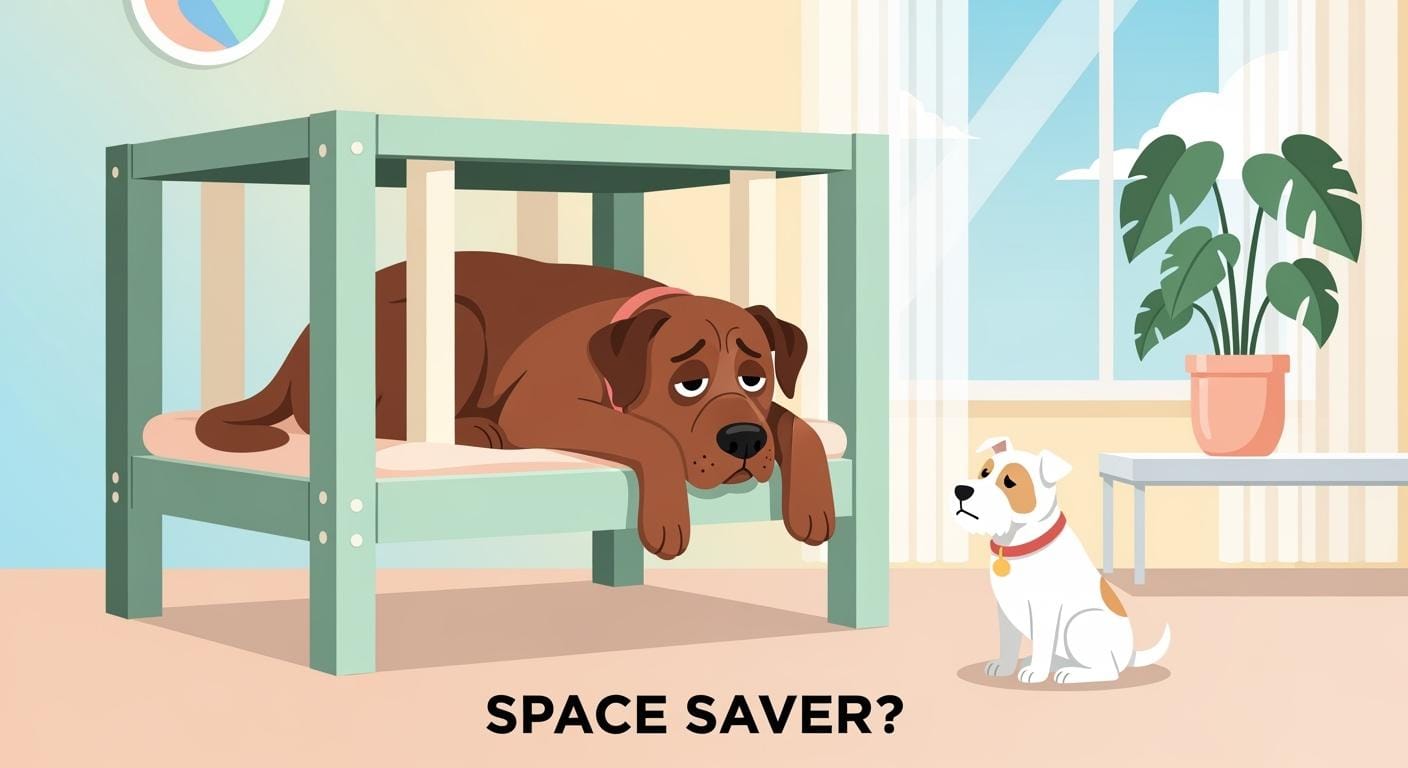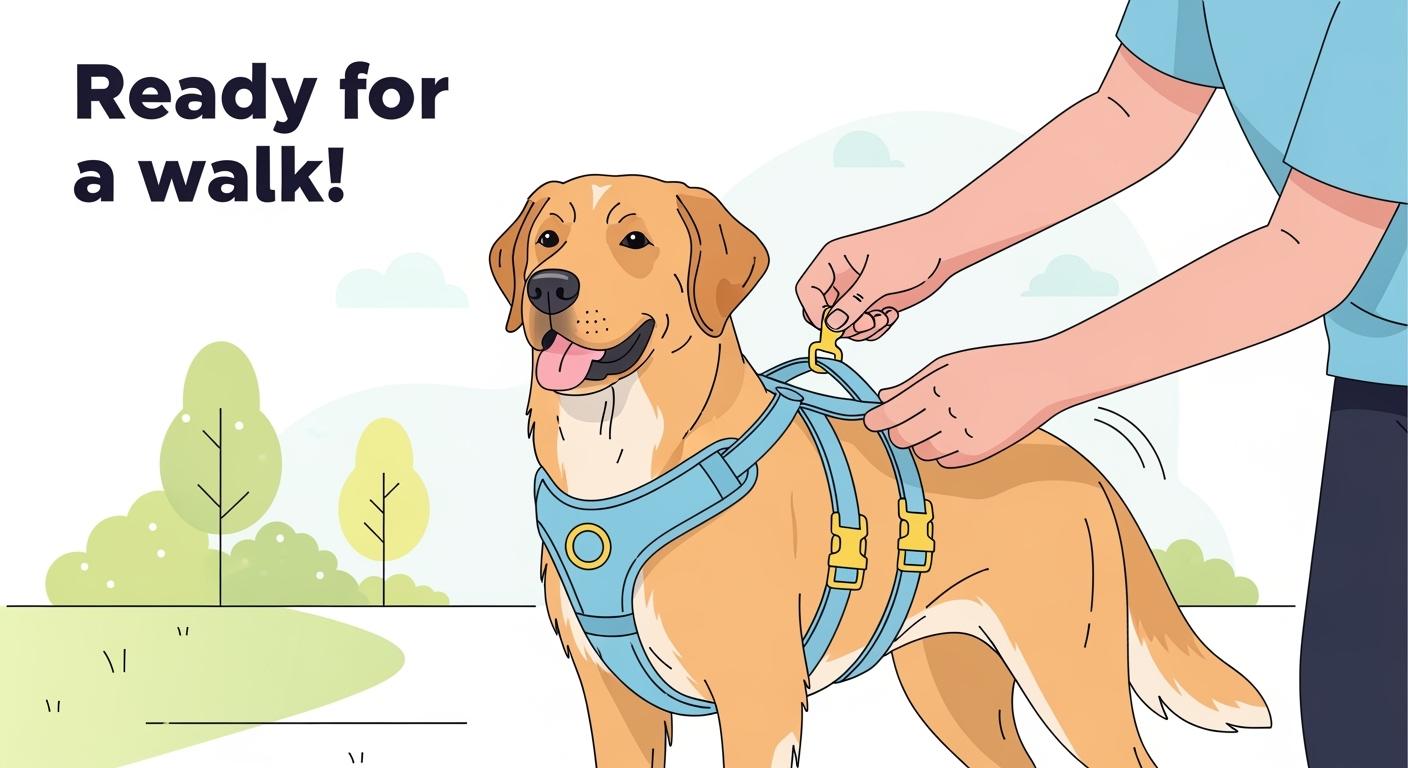
The best large dog harness is not always the one that clips on fastest. Fast setup matters when a dog is impatient at the door, when the walk is short, or when the harness must be easy for different people to use. But large dogs expose weak harness structure quickly. A design that feels convenient during setup can twist, rub, shift forward, or shorten stride once the dog starts pulling, turning, or walking for longer distances.
That is the real product question behind this topic: when does quick setup stay useful, and when does a large dog need better chest balance, more adjustment, stronger hardware, and cleaner shoulder space?
Fast setup helps only when the harness stays stable
A quick-on harness can be the right choice when the dog is calm, the walk is short, and the harness shape matches the dog’s body. It reduces handling time and makes daily use easier. For simple routines, that convenience can be a real advantage.
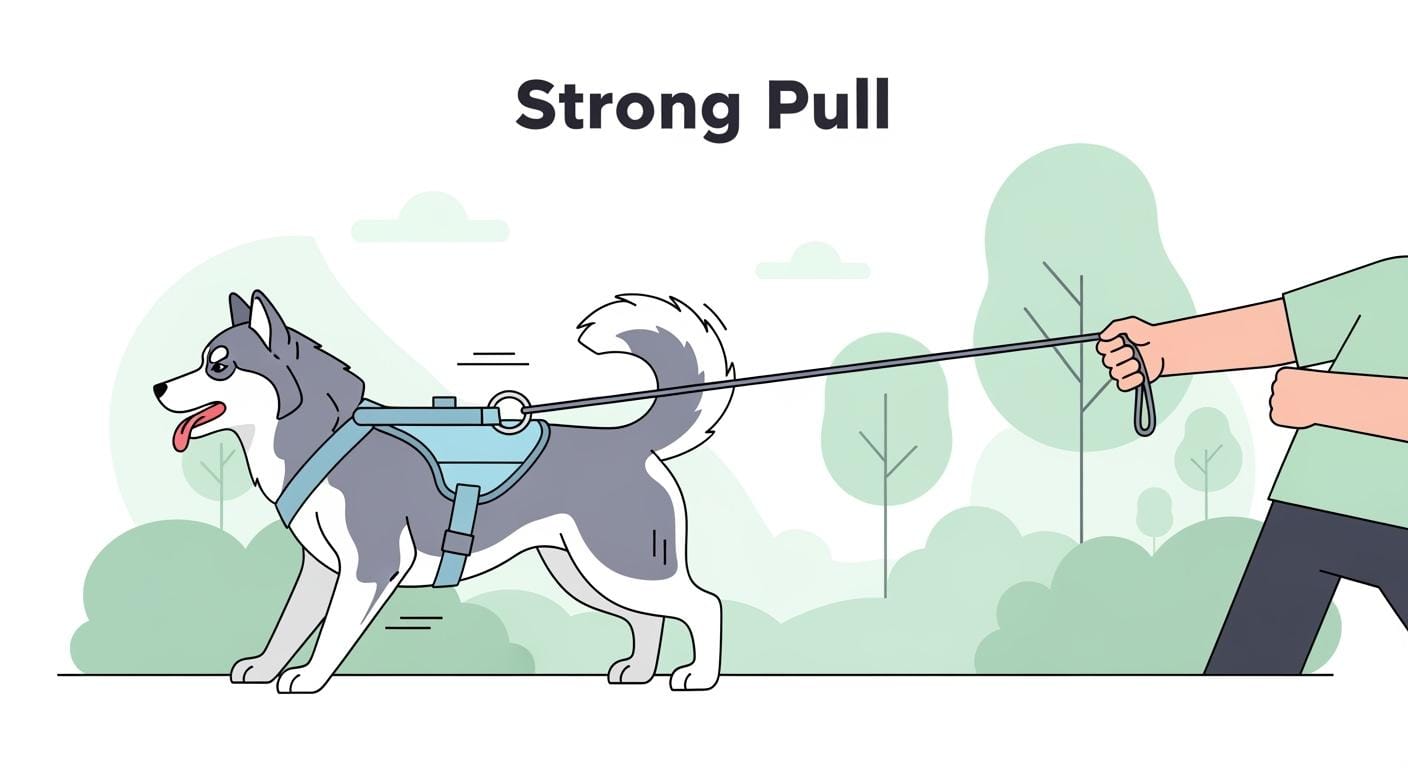
But fast setup becomes less valuable if the harness needs constant correction after the walk starts. Large dogs create more force through the chest, shoulders, and leash attachment point. If the harness has limited adjustment or a shallow chest shape, small fit problems become obvious during movement.
- A fast-clipping harness can still rotate if the body strap does not sit securely.
- A loose neck opening can gap when the dog lowers its head or backs up.
- A short or narrow chest panel can slide into the front legs during pulling.
- A simple back-clip setup may be comfortable for calm walks but less stable for strong forward drive.
- Quick-release buckles help setup only if the rest of the harness holds its position.
That is why a dog harness for large dogs should not be judged by entry style alone. The more important test is whether the harness remains quiet on the dog’s body after several minutes of walking, turning, stopping, and pulling.
Where quick-fit harnesses fail on large dogs
Most quick-fit failures come from the same product-level issues: not enough adjustment, poor chest shaping, weak strap angles, or hardware placed where leash tension pulls the harness out of balance. These problems may not show while the dog is standing still. They appear when the dog moves.
| Failure sign | Likely product reason | Better design direction |
|---|---|---|
| Harness twists to one side | Body strap is too loose, too straight, or placed too far from the chest load point. | Use better chest balance, firmer strap geometry, and more precise girth adjustment. |
| Rubbing behind the front legs | Chest piece or side straps sit too close to the armpit area. | Keep cleaner elbow clearance and use softer edge finishing in contact zones. |
| Dog shortens front stride | Front panel or strap angle blocks shoulder reach. | Use a Y-shaped or shoulder-free front structure that leaves movement space. |
| Dog backs out of the harness | Neck opening and body strap do not control reverse movement. | Use a better neck-to-chest ratio and, when needed, an added body strap. |
| Hardware pulls unevenly | D-ring position does not match the dog’s force direction. | Center the leash attachment and reinforce stress points around the clip zone. |
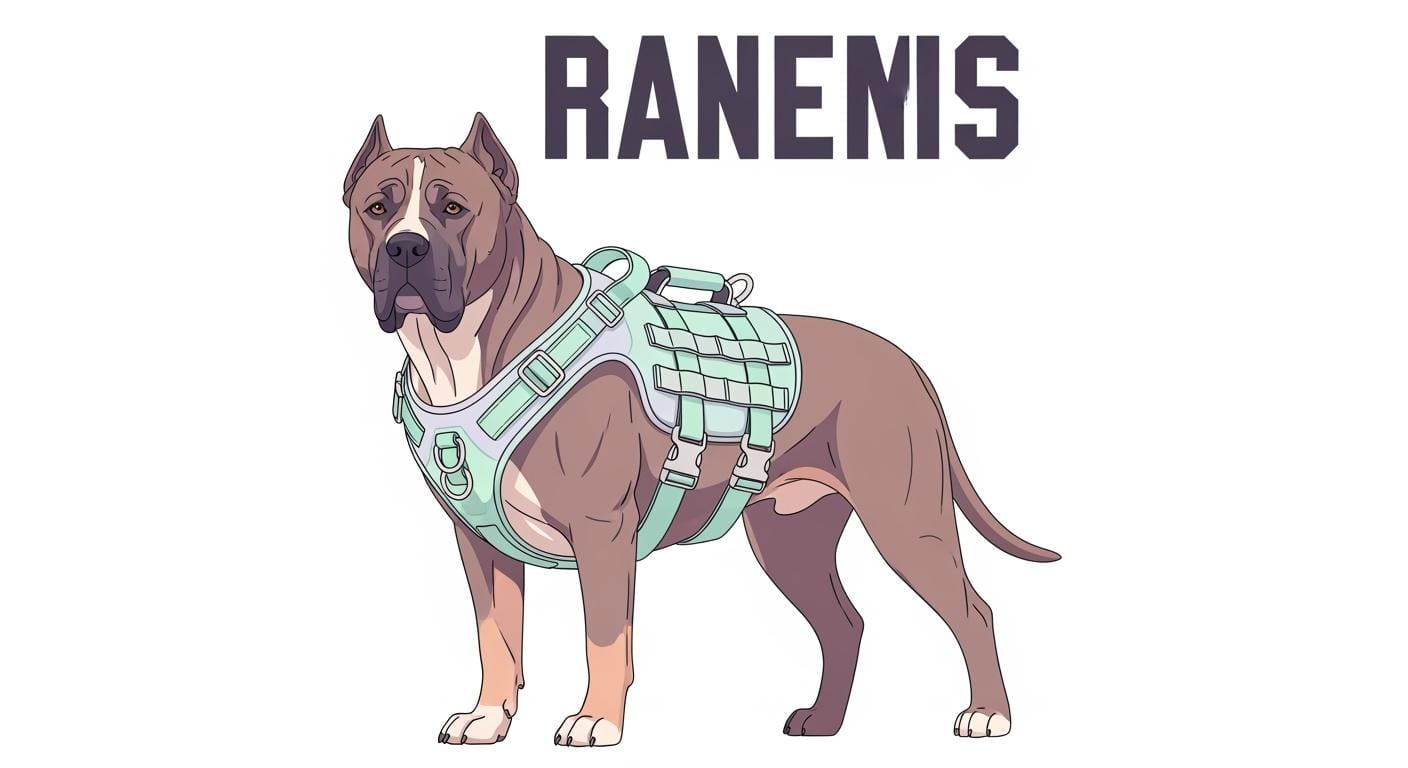
For large dogs, the strongest design is usually not the bulkiest one. A bulky harness can still fail if it presses on the shoulder, traps heat, or shifts under tension. The better goal is stable load control without blocking natural movement.
Adjustability matters more when walks are longer or stronger
An adjustable harness takes more time to fit, but that time can pay back during the walk. Large dogs vary widely in chest depth, shoulder width, neck shape, coat thickness, and pulling style. A harness with only one or two adjustment points may fit one body type well and fail badly on another.
For a product to work across more large-dog body shapes, adjustment should solve real fit problems rather than simply adding extra straps. The important points are chest depth, lower neck position, body strap range, and whether the front structure stays away from the shoulder joint.
| Design area | What it should solve | What happens when it fails |
|---|---|---|
| Neck adjustment | Controls throat clearance and front gap. | The harness rides high, gaps, or presses into the lower neck. |
| Chest adjustment | Keeps the harness centered around the deepest part of the chest. | The harness rotates or slides toward one front leg. |
| Body strap range | Helps match deeper or wider rib cages. | The fit is either too loose to control or too tight to move comfortably. |
| Shoulder clearance | Leaves space for normal forward reach. | The dog walks stiffly or resists longer walks. |
| Hardware reinforcement | Handles repeated leash tension from strong dogs. | D-rings, seams, or buckles become weak points during real use. |
This is why the linked best dog harness guide matters in this context: size and material are not separate from comfort. They decide whether the harness can stay stable once the dog starts moving.
Walk performance: stability, shoulder room, and setup effort
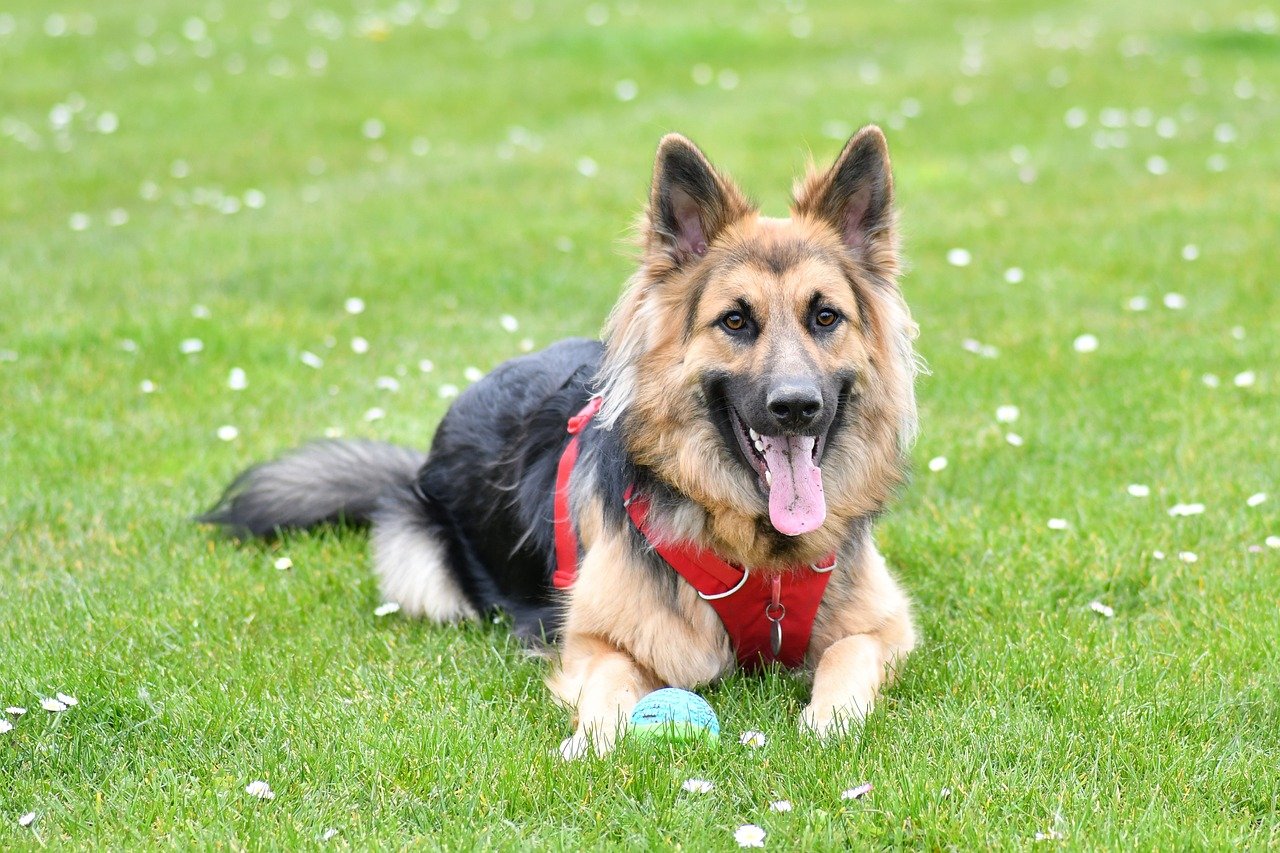
A large dog harness should be checked during movement, not just at the doorway. A product can look tidy while the dog stands still and still fail when leash tension changes. The clearest test is whether the harness stays centered while the dog walks forward, turns, slows down, and briefly pulls.
| Bewegungsprüfung | Pass sign | Fail sign |
|---|---|---|
| Setup | The harness can be fitted without excessive steps or confusion. | The design is so complex that users rush the fit or misroute straps. |
| Centering | The chest panel and back piece stay aligned after turns. | The harness rotates, leans, or slides toward one side. |
| Shoulder movement | The dog reaches forward cleanly without shortened stride. | The front legs move stiffly or the dog hesitates. |
| Security | The dog cannot create a large gap by backing up. | The neck or chest opening loosens under reverse pressure. |
| Skin contact | No rubbing, red marks, or repeated scratching after use. | Edges, seams, or strap angles create pressure points. |
The best design is not always the fastest one, and it is not always the heaviest one. It is the harness that matches the dog’s force, body shape, and walking pattern with the least correction during real use.
Material and hardware choices that affect real use
Large-dog harnesses need material strength, but comfort cannot be treated as secondary. If the webbing is too stiff, the padding traps heat, or the edge finishing feels rough, the dog may resist the harness even when the size is technically correct.
- Webbing: should resist stretching under leash tension but still move smoothly through adjustment points.
- Padding: should reduce pressure without making the harness bulky or hot.
- Mesh or lining: should help airflow in contact zones, especially under the chest panel.
- Buckles: should be easy to close but not placed where they press into the dog’s side during walking.
- D-rings: should be reinforced because large dogs place repeated load on leash attachment points.
- Edges and seams: should be smooth enough for repeated daily wear.
A fast setup harness with weak hardware is not convenient for long. An adjustable harness with rough edges is not comfortable just because it fits closely. The better product direction combines controlled fit, smooth contact, and hardware that stays reliable under repeated walks.
When to choose quick setup and when to choose more structure
The right harness depends on what fails first. If the main problem is that the dog resists long handling before every walk, a simpler quick-on design may be the better match. If the main problem is pulling, twisting, rubbing, or back-out risk, better structure and adjustment matter more than speed.
| Use situation | Better match | Reason |
|---|---|---|
| Short routine walks with a calm large dog | Quick-on back-clip harness | Speed and simplicity matter more when leash force is low. |
| Longer walks with varied routes | Multi-adjust harness | Fit stability matters more as walking time increases. |
| Strong forward pulling | Front-control or dual-clip structure | Leash path and chest balance help reduce uncontrolled rotation. |
| Escape-prone or backing-up dogs | More secure body structure | Neck gap and reverse movement need better control. |
| Heat-sensitive dogs or warm climates | Lower-bulk, breathable construction | Extra coverage can increase heat buildup. |
The same logic applies to a dog harness and leash set. Leash length, attachment position, and harness structure work together. A stable harness can still feel wrong if the leash pulls from a poor angle, while a good leash cannot fix a harness that rotates under load.
Häufig gestellte Fragen
Is a quick-on harness good for large dogs?
It can be good for calm large dogs, short walks, and simple routines. It is less suitable when the dog pulls hard, backs up, twists the harness, or needs more precise chest and shoulder fit.
What harness shape is usually better for walking comfort?
A well-shaped Y-front or chest-balanced design is often better for walking comfort because it can leave more shoulder room while keeping the harness centered. The exact result still depends on size range, strap position, and adjustment quality.
Why does a large dog harness twist during walks?
Twisting usually happens when the harness is too loose, too shallow in the chest, poorly balanced around the leash point, or not adjustable enough for the dog’s body shape.
Should a large dog harness be padded?
Padding helps when it protects pressure zones without adding too much heat or bulk. Thick padding in the wrong place can still rub, trap warmth, or interfere with movement.
When should the harness style be changed?
Change the style if the current harness keeps shifting, leaves red marks, shortens stride, creates neck gaps, or works only when the leash stays tight. Those signs usually mean the product structure does not match the dog’s body or walking force.