Choosing the best harness for small dogs often comes down to one practical question: does a handle make daily walks safer, or does it just add bulk? The answer depends less on the handle itself and more on how the harness fits, how you use it, and what your walks actually look like.
If you are comparing basic options first, start with a dog harness that sits low on the chest, stays centered during movement, and does not overload a small frame with stiff panels or heavy hardware. For toy and small breeds, lower weight and better balance usually matter more than extra features.
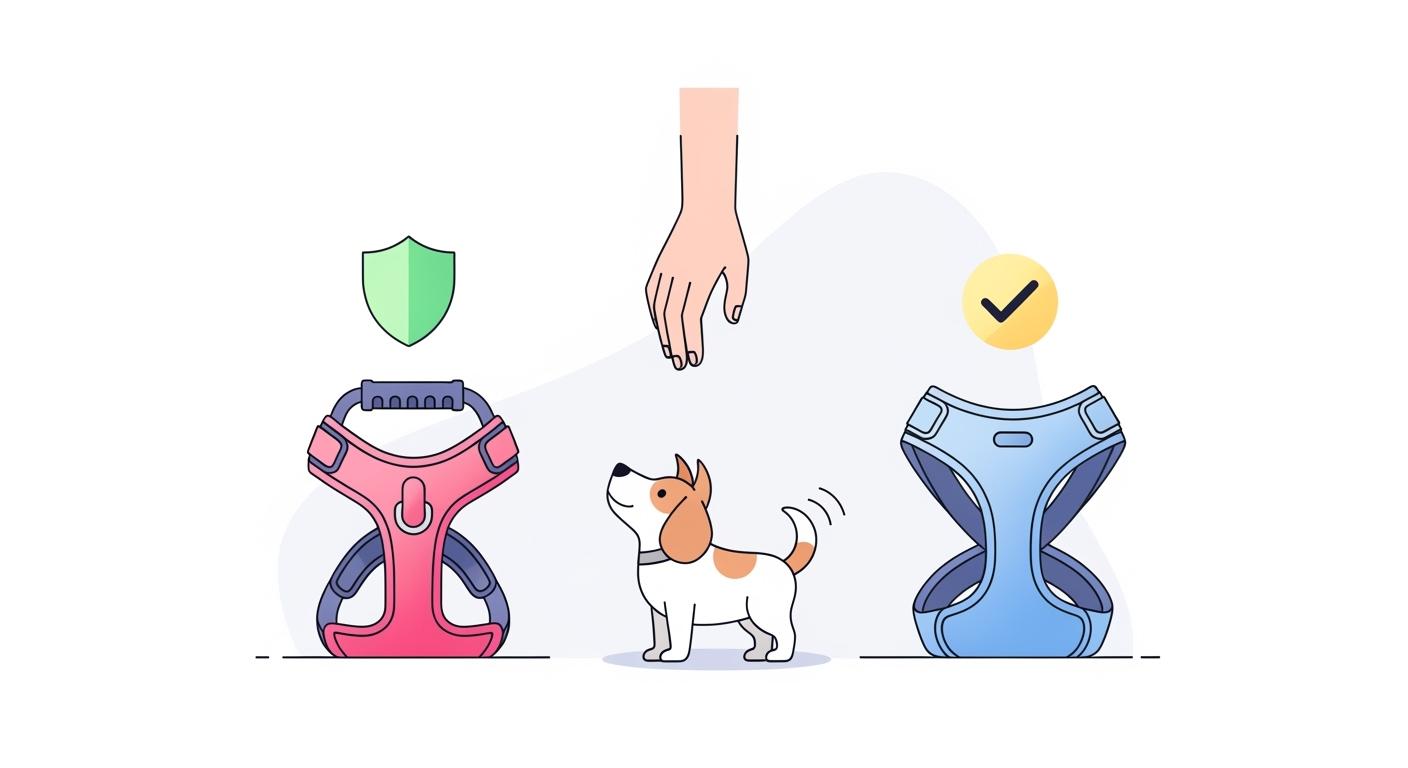
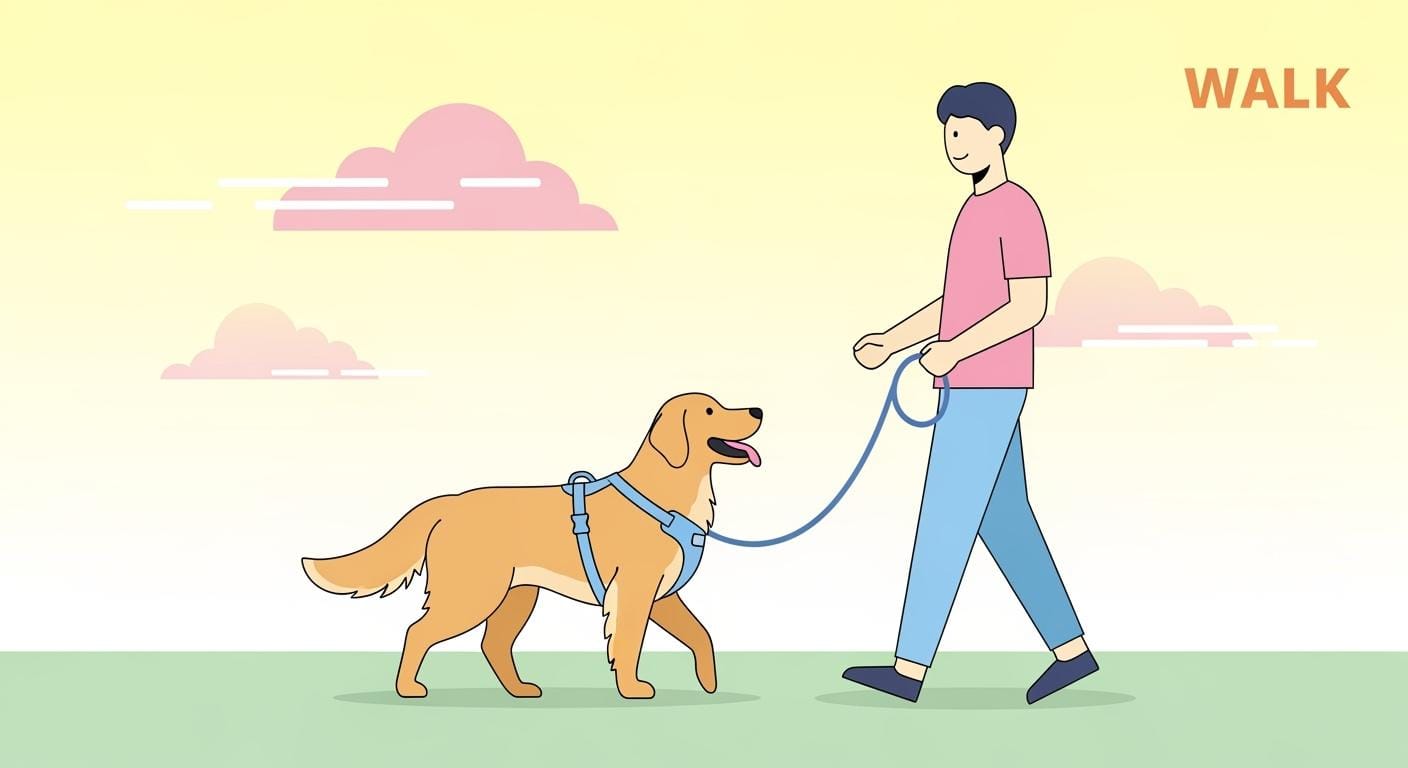
A handle can be useful for short moments of control, such as guiding your dog over a curb, helping through a crowded area, or steadying a nervous dog for a second while you reset the leash. A no-handle harness is often the better choice when your dog is calm, light, and already walks well, because it usually weighs less and leaves fewer raised parts that can shift or rub.
When a handle helps and when it gets in the way
A handle works best as a brief stabilizer, not as a carrying point. For small dogs, that distinction matters. Their bodies are lighter, but they are also easier to jolt upward by mistake. If you expect to lift your dog often, a regular walking harness is not the right tool for that job.
A handle tends to help in a few specific situations: narrow sidewalks, stair edges, crowded public areas, recovery from mild confidence issues, or short moments when you need to stop a quick dart without tightening the leash around the neck. In those cases, a low-profile handle can make control more immediate.
A handle tends to get in the way when it is oversized, stiff, or placed too high on the back. That extra structure can make the harness top-heavy on a very small body. It may also catch on sweaters, seat edges, or your own leash hand when you are trying to move smoothly.
For broader style comparisons beyond this handle question, a good best dog harness guide can help you narrow the choice by body shape, walking habits, and comfort priorities before you decide on specific features.
Fit checks that matter more than the handle
The most important safety decision is still fit. A perfect handle cannot fix a loose neck opening, a belly strap that sits too far back, or armholes that rub every time your dog takes a longer stride.
Check the neck opening first. It should stay secure without sliding backward, but it should not sit on the throat. Then check the chest panel. It should rest over the breastbone rather than riding up into the neck. On small dogs, even a small shift in strap position can change the feel of the whole harness.
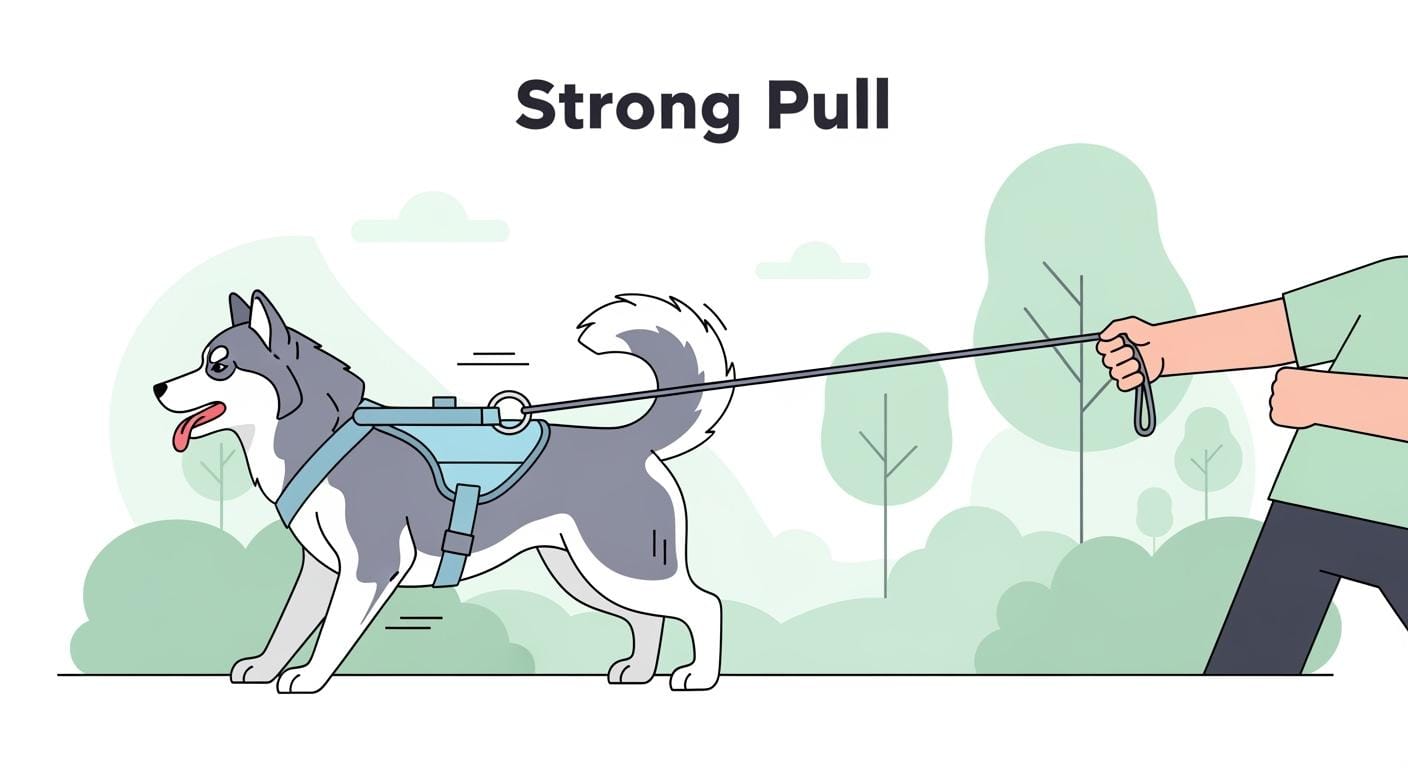
Next, look at the belly strap. If it sits too close to the front legs, rubbing can show up quickly. If it sits too far back, the harness may rotate when the leash tightens or when you touch the handle. Watch your dog take a few normal steps indoors before deciding the fit is right.
Finally, assess the total weight of the harness on your dog’s frame. Small dogs often do better with less bulk, fewer hard points, and softer edge finishing. If the harness looks stable when standing still but shifts when the dog trots, sniffs, or turns, the fit still needs work.
The leash setup matters here too. A lighter clip and a calmer leash feel can make a small harness perform much better, which is why it helps to review a dog harness and leash set guide before you decide that the harness itself is the problem.
Design details to inspect before you buy
If you are choosing a handled harness for a small dog, inspect the handle placement first. It should sit centered over the back, not pulled toward the shoulders and not trailing too far toward the waist. A centered handle is easier to grab briefly without twisting the whole harness.
Then inspect the stitching around the handle base and the main leash attachment point. These are the two areas that take the most repeated stress. If the harness looks neat everywhere except where the handle joins the body, treat that as a warning sign rather than a minor cosmetic issue.
Look at the hardware size as well. Oversized buckles and thick adjusters can be too much for a small chest and narrow shoulder line. Good support does not require heavy hardware. In many cases, a lighter harness with cleaner strap routing is the more comfortable and more stable choice.
Padding should feel smooth rather than bulky. Too much padding on a tiny dog can create heat, hold moisture, and make the harness harder to fine-tune. The goal is soft contact and secure placement, not a thick structure that overwhelms the dog’s body.
Common mistakes and simple fixes
One common mistake is choosing a handle because it feels reassuring to the person, even though the dog does not need it. If your dog is calm, light, and walks close to you already, a simpler no-handle design may actually feel better and stay in place more easily.
Another mistake is using the handle to lift or partially suspend the dog. That can create a sharp upward load at the wrong angle. If your dog needs help getting over an obstacle, support the body with your hands rather than relying on the harness handle alone.
If the harness twists when you touch the handle, try these checks in order: tighten the belly strap slightly, confirm the chest panel is centered, shorten any extra strap tails that let the harness slide, and test again with a normal leash attachment instead of grabbing the top. If twisting continues, the harness shape may simply not match your dog’s build.
If your dog seems reluctant to walk, scratches after a few minutes, or develops redness behind the elbows, stop and recheck fit before assuming the dog needs more time to get used to it. Small dogs usually show poor fit quickly. A short indoor test is enough to reveal most problems before a full walk.
Replace the harness if you see frayed webbing, loose threads near the handle base, slipping adjusters, bent hardware, or a shape that no longer stays centered after normal adjustment. A feature-rich harness is not worth keeping once stability becomes inconsistent.
Häufig gestellte Fragen
Is a handle necessary on the best harness for small dogs?
No. Many small dogs do well in a no-handle harness. A handle is only helpful when you need brief extra control in specific situations like curbs, crowds, or short balance assists.
Can I carry my small dog by the harness handle?
No. A walking harness handle should not be treated as a carrying handle. If you need to lift your dog, support the chest and rear of the body with your hands.
Are no-handle harnesses better for toy breeds?
Often, yes. They are usually lighter and less bulky, which can help very small dogs move more naturally. The better option still depends on fit, weight, and your walking routine.
How do I know a handled harness is too bulky?
Watch for twisting, sliding, shoulder restriction, or your dog shortening its stride. If the top panel looks oversized compared with the dog’s frame, the harness may be adding more structure than the dog can comfortably carry.
What is the fastest fit test before a real walk?
Put the harness on, attach the leash to the main ring, and let your dog walk a few minutes indoors while turning both directions. The harness should stay centered, avoid the throat, and not rub behind the front legs.