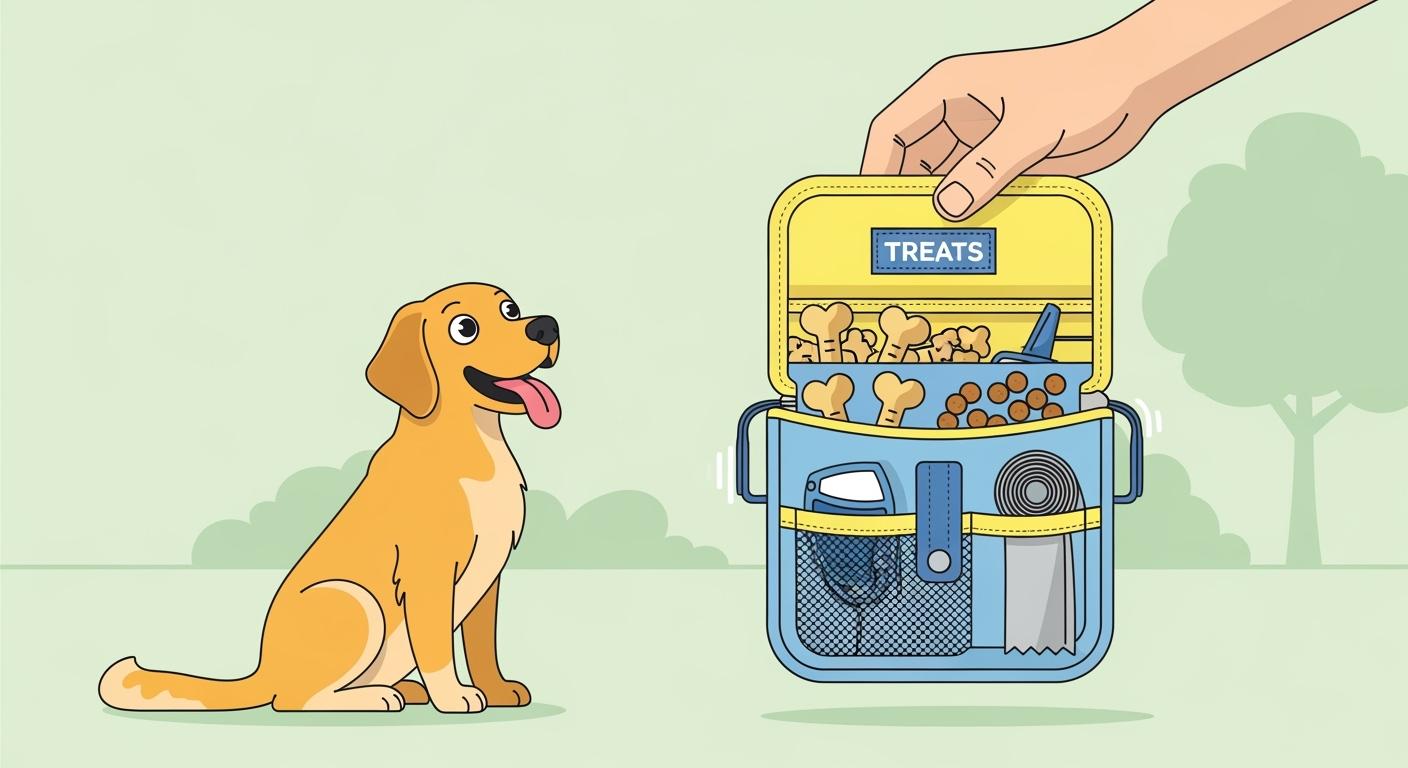
The best dog treat training pouch keeps rewards fast, clean, and easy to reach. Once treat delivery slows down, the pouch stops helping and starts getting in the way.
That is why the best choice is not always the pouch with the most pockets. Some setups work better when the treat area stays simple and uncluttered. Others make more sense when longer walks or park sessions mean you also need room for waste bags, keys, or a clicker. The useful question is whether extra storage still lets you reward on time.
Note: A good pouch supports cleaner reward timing, but it does not replace timing, consistency, or clear training mechanics.
Das Wichtigste in Kürze
- A simple pouch usually works best when fast reward timing matters more than carrying extra items.
- Extra storage helps on longer outings only when the treat section stays easy to reach and separate from everything else.
- If the pouch swings, crumbs spread, or treat access slows down, the setup is already working against your training.
When a Simple Pouch Usually Works Best
A simple pouch usually works best when the training session is short, focused, and reward timing matters more than carrying lots of extras. If the main goal is fast marker-to-treat delivery, fewer compartments often help more than more features do.
This is especially true when you are working on attention, loose leash walking, short repetitions, or quick resets in distracting places. In those moments, digging past other items usually matters more than storage capacity.
Why simple often feels faster
A smaller, cleaner treat area reduces visual searching and hand movement. That usually means less fumbling, fewer missed moments, and less need to look down during training.
When simple starts feeling limited
A very basic pouch can feel restrictive once the outing gets longer or the session includes more than treats. Waste bags, a clicker, keys, or a phone can turn a simple setup into a cluttered one if there is nowhere else for those items to go.
| Type | Main Strength | Best Use Case | What to Watch |
|---|---|---|---|
| Simple treat-only pouch | Fastest reward access | Focused training, short sessions | Little or no room for extras |
| Multi-pocket pouch | Better organization | Walks, parks, mixed-use outings | Treat area can get slower if overloaded |
| Treat pouch plus waist bag | Most storage | Longer outings with more gear | Usually adds more swing and more bulk |
What Extra Pockets Change in Real Training
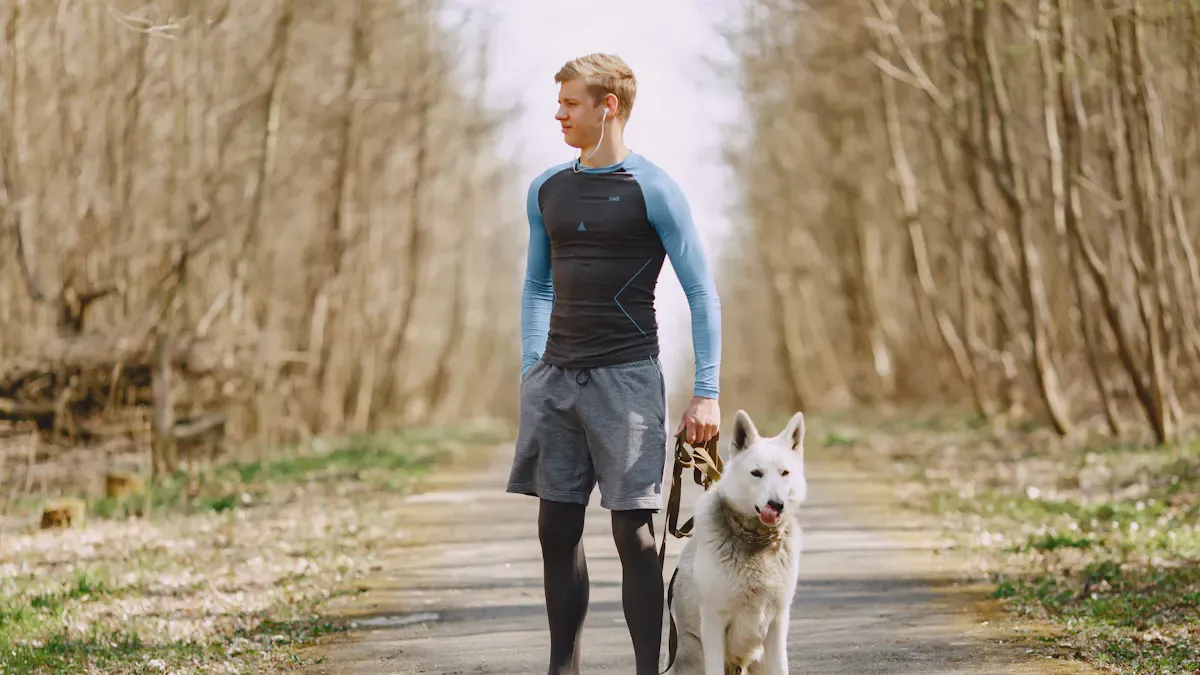
Extra pockets can make the outing easier, but they also change how the pouch moves and how fast your hand gets to the reward. Once the pouch holds more than treats, balance and access start to matter just as much as storage.
Reward timing can slow down quickly
The first problem is usually not total confusion. It is a slight delay. You glance down, move one item out of the way, or dig past something that should not have been in the treat section to begin with. That short delay is often enough to weaken the reward moment.
Pouch swing and balance matter more than people expect
Extra pockets often make the pouch heavier on one side, especially when keys, a phone, or waste bags start pulling the pouch away from the body. If the pouch swings when you walk or bend, treat delivery often gets slower and less predictable.
Clean treat access matters for more than speed
Once crumbs, wet treats, or oily residue spread into the wrong compartment, the pouch becomes harder to use and harder to keep clean. That usually means slower access, more mess, and less willingness to use the pouch again on the next outing.
| Feature | Helpful When | Can Cause Trouble When |
|---|---|---|
| Divided treat section | You use more than one reward type | Dividers reduce access speed too much |
| Front pocket | You need one or two non-food items | It adds bulk and shifts pouch balance |
| Waste bag holder | You want fewer separate accessories | It crowds the pouch and adds swing |
| Clip or carabiner | You carry one light tool | Extra hanging items bump and distract |
| Washable liner | You use soft or oily treats often | The liner still traps crumbs if the pouch is overloaded |
Failure Signs That Matter Most
Most pouch problems show up quickly if you watch the same few things. If the setup slows treat delivery, spreads crumbs, or keeps shifting on your body, the problem is already big enough to fix.
Pass or fail checks
| Artikel prüfen | Signal weiterleiten | Fehlermeldung | Beheben |
|---|---|---|---|
| Treat access speed | Grab treats without looking down | Fumble, search, or pause | Remove clutter or simplify the pouch |
| Stabilität des Beutels | Pouch stays in place while walking | Swings, tilts, or twists | Lighten the load or change carry position |
| Crumb control | Treats stay clean and separate | Crumbs spread to other items | Use a divider or reduce extra storage |
| Reward timing | Dog responds quickly after marker | Response slows or focus drops | Make the treat section easier to reach |
Troubleshooting common pouch problems
| Symptom | Mögliche Ursache | Fast Check | Beheben |
|---|---|---|---|
| Treats are hard to grab | Too many extras in the pouch | Try the same session with fewer items | Move non-food items elsewhere |
| Crumbs get everywhere | No separation between food and tools | Inspect the pouch after one outing | Use a liner, divider, or simpler layout |
| Pouch swings too much | Uneven load or too much weight | Walk, bend, and turn with it loaded | Reduce bulk and re-balance the pouch |
| Der Hund verliert die Konzentration | Reward timing has slowed | Watch how long it takes to deliver a treat | Return to a simpler setup |
Tip: The most common mistake is carrying too much in one pouch. Once treat access stops being automatic, the pouch is already costing you timing.
How to Choose the Right Setup for Your Routine
The best dog treat training pouch usually matches the routine, not the wish list. A short, focused session often works best with a simple pouch. A longer park session or mixed-use outing may justify more storage, but only if treat access still stays fast.
If the pouch is mostly for everyday leash work, fewer compartments usually help more. If the pouch needs to support a longer outing with waste bags, a clicker, and a phone, then extra storage may make sense, but only after the treat section still feels clean and easy to reach under movement.
- Choose a simple pouch when reward speed matters most.
- Choose extra storage when the outing genuinely needs more items.
- Change setups when the pouch starts swinging, cluttering, or slowing your hand.
Häufig gestellte Fragen
How do you clean a dog treat training pouch?
Wipe the pouch after use, wash removable liners as directed, and let every part dry fully before adding fresh treats.
Can you use wet or oily treats in a pouch?
Yes, but a washable liner or easy-clean interior usually matters more when you use messier rewards.
What carry style usually keeps a pouch most stable?
A well-fitted waist belt or a close, balanced crossbody setup usually feels more stable than a loose clip-on carry.
The best dog treat training pouch is usually the one that disappears during training. It stays stable, keeps treats easy to reach, and never makes you think harder than the dog does.