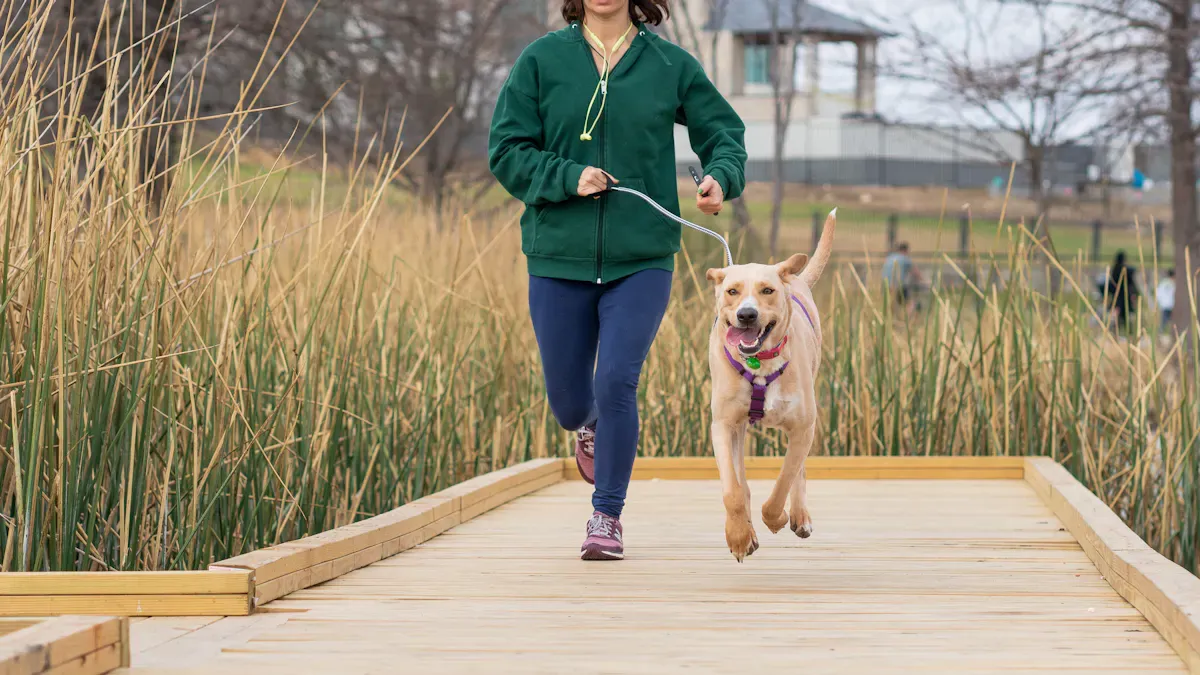
The best dog running leash is not always the leash you use for everything else. Some dogs do fine with one simple setup for walks and easy jogs. Others move better when a run-only leash creates clearer expectations, cleaner rhythm, and fewer handling mistakes. The right answer depends on how your dog behaves at speed, how much control you still need in public, and whether your current leash helps or starts getting in the way once you begin to run.
This article uses public guidance from veterinary and training organizations on gradual conditioning, reward-based training, heat awareness, and leash control. The goal is not to turn every walk leash into a running system. The goal is to help you decide when one leash is enough and when a separate running setup makes more sense.
Das Wichtigste in Kürze
- Use one leash for both walking and running only if your dog already moves calmly on leash, stays to one side, and does not need frequent redirection once pace increases.
- Choose a run-only setup when you want clearer cues, easier stride rhythm, or less setup confusion between normal walks and running sessions.
- The best dog running leash should support control without adding heat, tangling, or awkward handling. It works best when your dog already has loose-leash basics.
One Leash or Run-Only? Deciding What Works
When one leash is enough
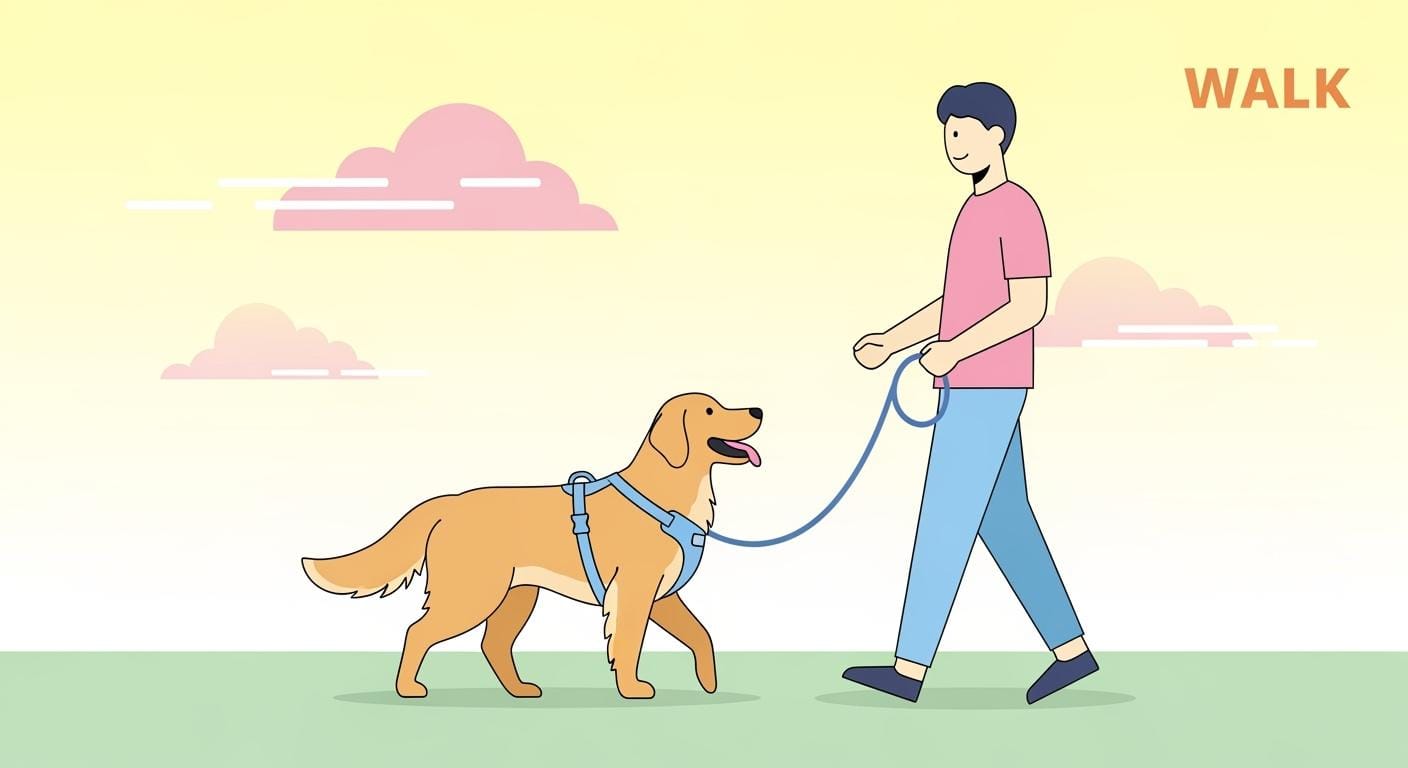
You can often use one leash for both walking and easy runs when your routine stays simple and your dog already understands steady leash movement. This usually works best if your dog walks calmly, does not cut across your path, and can handle changes in pace without turning every jog into a stop-start lesson.
One leash is more realistic when:
- Your runs are short, quiet, and close to your normal walk routes.
- Your dog already stays on one side without weaving.
- You still want the feel of a familiar everyday leash.
- You do not need a special waist-belt or hands-free setup to run comfortably.
The downside is that an everyday leash may solve walking needs better than running needs. It may be too short, too long, awkward to manage at speed, or unclear enough that your dog cannot tell whether this outing is a sniffy walk or a focused run.
When a separate running leash makes more sense
A run-only leash can help when the main problem is not durability but clarity. Many dogs run better when the setup feels different from a normal walk. A separate leash can create a cleaner pre-run routine and make it easier for your dog to understand that this session has a steadier pace, fewer sniff breaks, and more side-position consistency.
You may want a dedicated running leash when:
- Your dog walks well but gets messy once speed increases.
- You want your running setup to feel more consistent from day to day.
- You need a hands-free or waist-belt style that you do not want to use on everyday walks.
- You want to separate walking freedom from running cues more clearly.
This does not mean a run-only leash fixes pulling by itself. It means the setup can reduce confusion when your dog is already learning the difference between a normal walk and a run.
Tip: A separate running leash helps most when it gives your dog clearer expectations, not just extra hardware.
Best Dog Running Leash: Comparison Table
Use this table to decide which setup fits your routine.
| Leash Type | Use Case | Main Benefit | Main Watchout | Who Should Skip It |
|---|---|---|---|---|
| Everyday walk leash | Daily walks, short easy jogs, simple routines | Familiar handling and less gear switching | May feel awkward once pace and control demands increase | Dogs that weave, lunge, or need clearer run cues |
| Dedicated running leash | Regular jogs and planned running sessions | Clearer session cues and more consistent setup | Still needs training and route awareness | Dogs without loose-leash basics |
| Hands-free running leash | Steady runs where you want freer arm swing | Can feel smoother once dog and runner move in sync | Magnifies balance mistakes if the dog crosses, surges, or brakes hard | Handlers with strong pullers or dogs new to running |
When you use the best dog running leash for your routine, you reduce setup friction and make daily use more realistic. The best setup is the one that supports your pace, your dog’s position, and your ability to shorten or redirect quickly when needed.
What Changes on a Run: Rhythm, Hands, and Setup
Leash demands while running
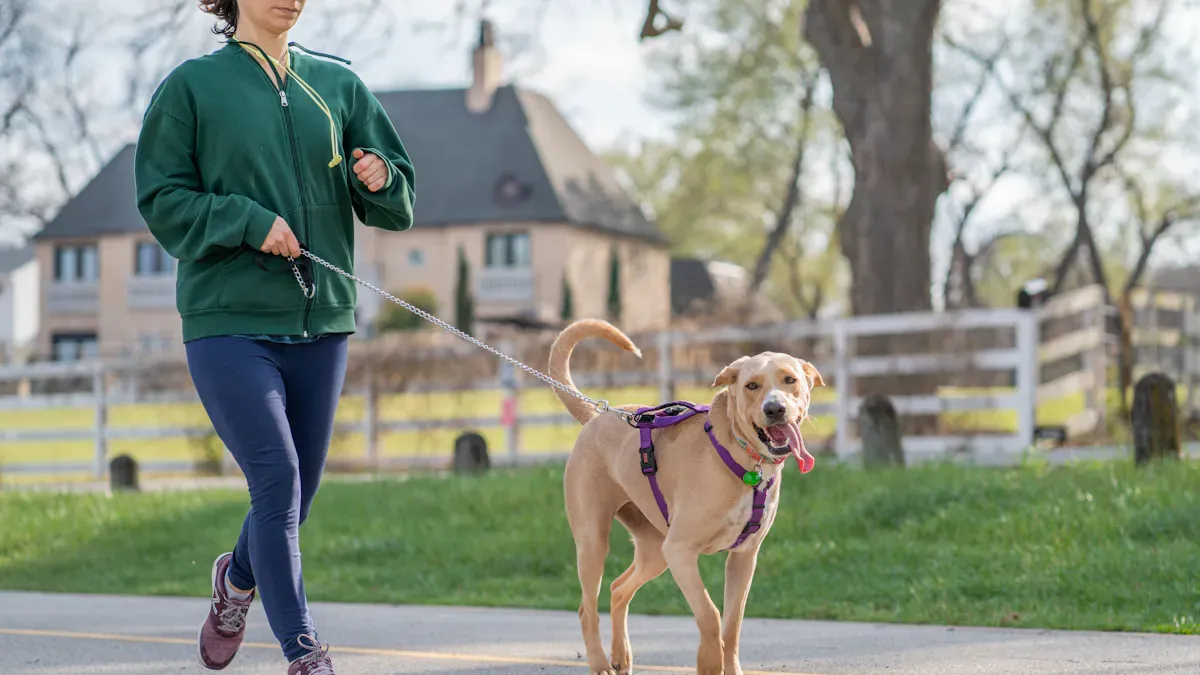
Running changes almost everything that feels easy on a normal walk. Your hands, stride, and timing all become less forgiving. A leash that feels fine at walking speed can start tangling, bouncing, or shortening too slowly once you begin to run.
The best leash for running gives you control and keeps your movement clean. That means you should still be able to shorten quickly, keep your dog to one side, and avoid the leash drifting under your feet. If you use a harness, fit matters too. The harness should let your dog move normally without rubbing or restricting shoulder motion.
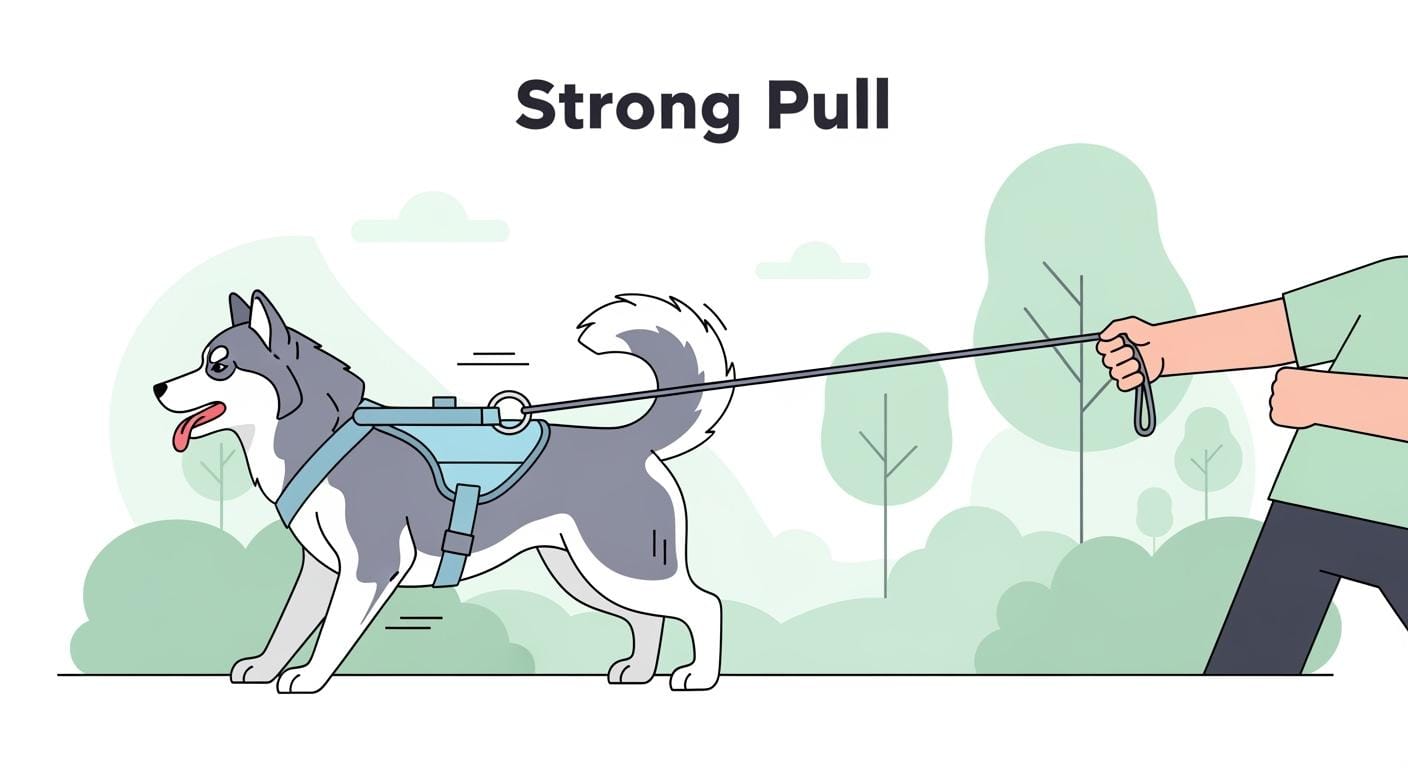
Running also raises the bar for communication. A dog that pulls a little on walks may pull a lot more once pace increases. A dog that zigzags on a walk becomes a much bigger balance problem at running speed.
Tip: Before you think about better running gear, ask whether your dog can already walk on one side without frequent lunging or weaving.
Pass/Fail Checklist for a Running Setup
| Artikel prüfen | Signal weiterleiten | Fehlermeldung | Beheben |
|---|---|---|---|
| Dog stays on one side | Runs beside you without weaving | Cuts across your path or swaps sides | Return to side-position practice at walking pace |
| Leash stays readable | No tangles or late surprises | Slack wraps around you or tightens suddenly | Shorten or simplify the setup |
| Harness fit stays clean | No rubbing, twisting, or shoulder restriction | Dog moves stiffly or resists motion | Refit or change the harness before the next run |
| Hands-free setup stays stable | You run without hip or low-back strain | Belt rides up or jerks your balance | Adjust or reconsider hands-free for that dog |
| Dog handles the pace well | Breathing and body language stay comfortable | Heavy panting, lagging, or reluctance | Stop, rest, and reassess intensity or heat |
Common mistakes and real consequences
The most common mistake is treating running as “just faster walking.” It is not. Running adds more pull force, more trip risk, more heat load, and more consequence if your dog changes direction at the wrong moment. Another mistake is trying to use gear to solve a training gap. A better leash helps, but it does not replace gradual conditioning or reward-based leash work.
You can also run into trouble when the route is wrong for the day. Hot pavement, crowded sidewalks, repeated crossings, or a dog that is not physically ready can make any leash setup feel worse than it should.
Note: If your dog shows pain, overheating, fear, or breathing trouble, stop the run. This article does not replace veterinary care.
Troubleshooting Leash Frustrations
Troubleshooting Table: Symptoms and Fixes
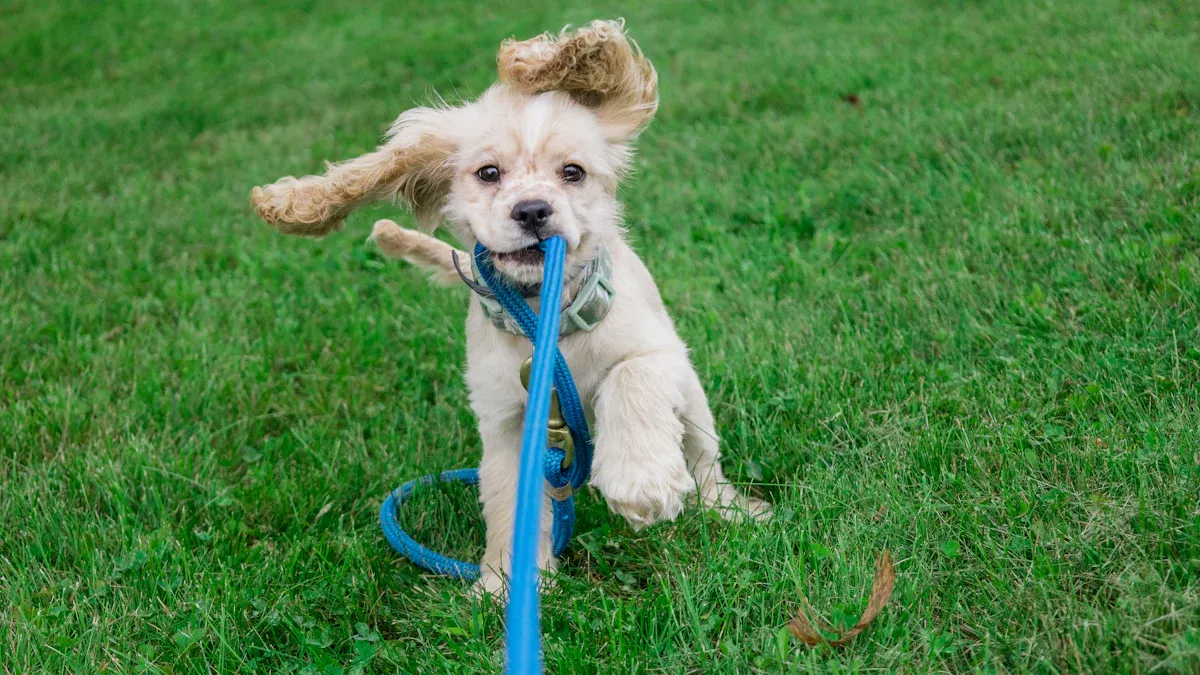
You may run into problems with your leash setup even when the gear looks correct on paper. Use this table to spot common issues fast.
| Symptom | Mögliche Ursache | Fast Check | Beheben |
|---|---|---|---|
| Leash tangles often | Too much slack or poor timing | Check what the line looks like before turns and restarts | Use a shorter or simpler setup |
| Dog pulls harder when running | Training gap or unclear running cue | Compare your dog’s behavior at walking pace and jogging pace | Practice loose-leash work before building run distance |
| Hands-free feels unstable | Dog not ready for it or belt setup is wrong | Notice hip pull, back strain, or side jerk | Adjust the system or go back to handheld control |
| Dog seems too hot | Heat, pace, surface, or poor timing of the run | Watch for heavy panting, slowing, or reluctance | Stop, rest, cool down, and avoid peak heat next time |
| Setup takes too long | Too much gear friction for your real routine | Ask whether prep time is making you skip runs | Simplify the system so you can use it consistently |
How to fix setup problems without overcomplicating things
You can solve most leash frustrations with a few simple changes. Start by improving one thing at a time. If your dog crosses in front, work on side position. If the leash tangles, reduce excess length. If the dog pulls more while running, slow the pace down and return to reward-based practice instead of pushing forward with harder gear.
It also helps to separate “walk mode” from “run mode.” Use a short pre-run routine, consistent side choice, and predictable starting cue. These small details often matter more than adding another piece of equipment.
Tip: A better running leash should make the session feel clearer. If the setup keeps becoming more complicated, you may be solving the wrong problem.
You can use one leash if your dog runs calmly, your route is simple, and the setup never becomes the problem. Choose a run-only leash when you want clearer cues, easier rhythm, or a more stable running routine. The best dog running leash is the one that matches your dog’s skills, your route, and your ability to keep the session safe and predictable.
Häufig gestellte Fragen
How do you know if your dog running setup is working?
Your dog stays on one side, the leash stays readable, and you can keep a steady pace without constant tangles, hard pulling, or repeated corrections.
What makes the best dog running leash different from a regular leash?
A running leash usually does a better job supporting rhythm, side position, and smoother handling once pace increases. The difference matters most when a normal walk leash starts feeling messy during runs.
Do you need special dog running gear for every run?
No. Some dogs do fine with a simple everyday leash for easy jogs. Dedicated running gear matters more when you run often, want clearer cues, or need a setup that works better at speed than your normal walk leash.
Note: If your dog shows pain, overheating, or breathing trouble, stop and ask your veterinarian for guidance. This article does not provide medical advice.