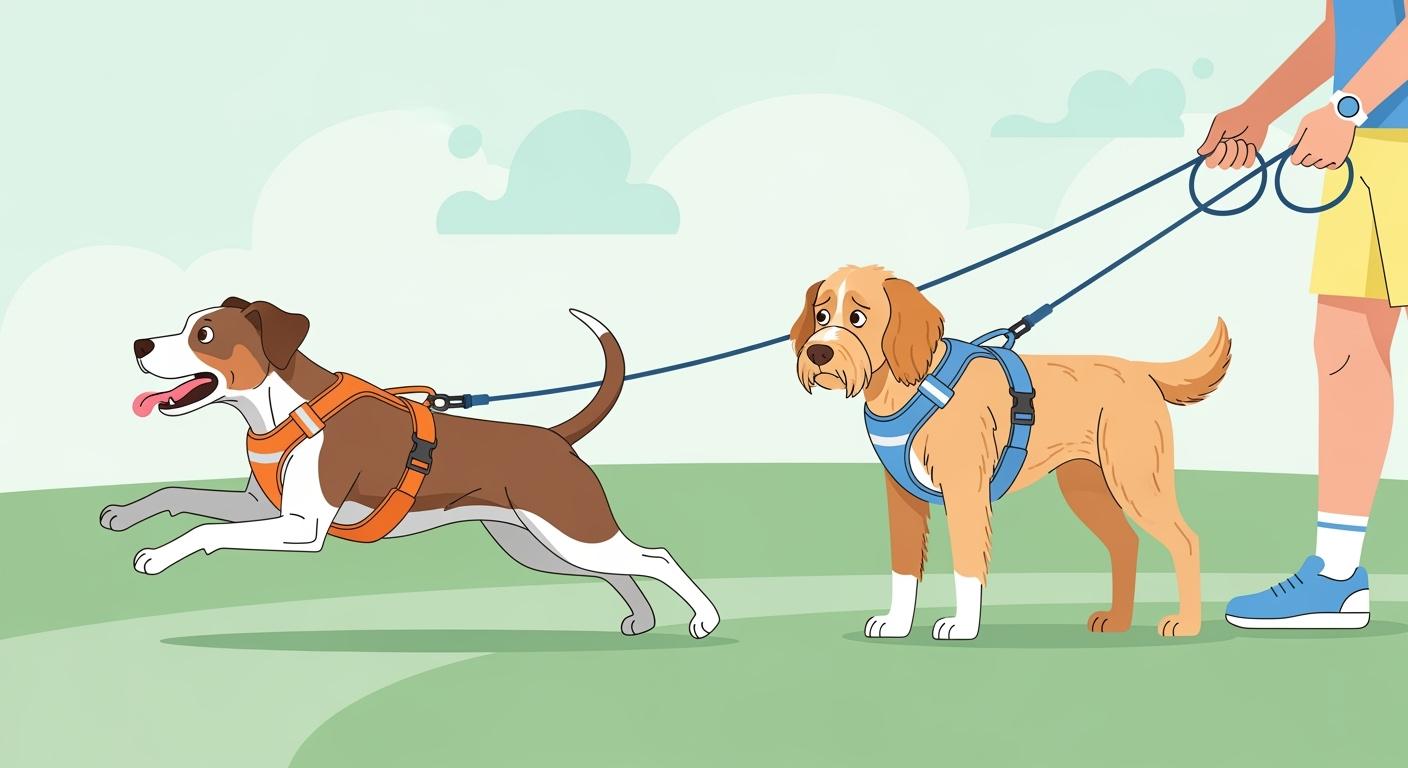
A dog running harness can seem fine during a slow walk and still create problems the moment your dog speeds up. Stride length changes, pull angle shifts, and heat builds under the straps much faster once you move from walking to jogging. What matters most is not how sturdy the harness looks in your hand, but how naturally your dog moves in it after a few minutes at pace.
The goal is straightforward: your dog should be able to jog without rubbing, sideways drift, chest pressure, or a sudden increase in pulling. If you run in a more specialized canicross setup, the fit and load pattern usually need a different approach than a regular neighborhood jog.
Note: If your dog has joint concerns, excess weight, a history of limping, or any other issue that could make running uncomfortable, check with your veterinarian before adding sustained jogging sessions.
Is your dog ready to run?
Before you compare harness features, make sure your dog is ready for the pace change itself. A harness can support comfortable movement, but it will not fix weak loose-leash habits or make an unsuitable dog ready for repeated jogging. Most early problems show up because the dog moved to running before the basics at walking pace were steady.
Pick a leash setup that matches your dog’s pace
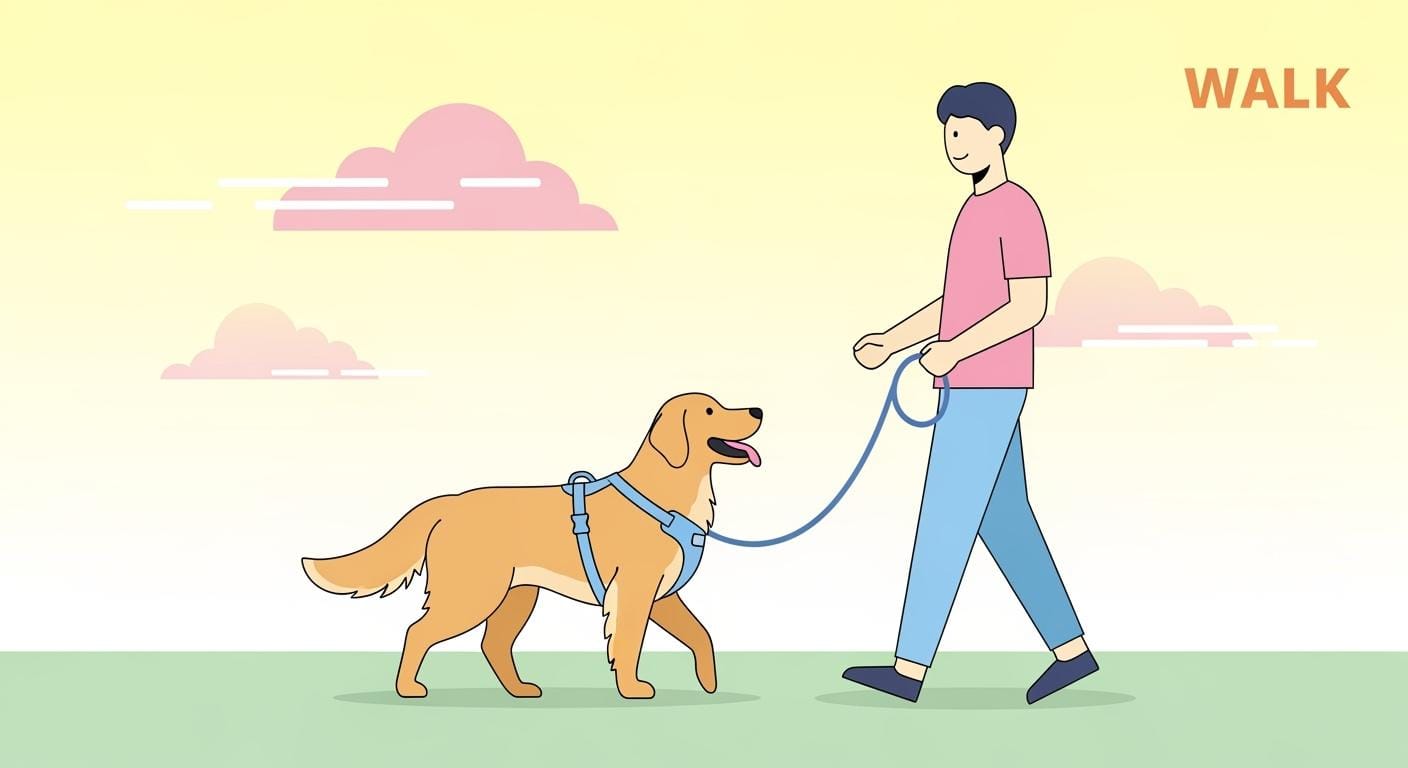
The best leash setup depends on how steady your dog already is. Some dogs do well with a simple fixed leash, while others benefit from a little more shock absorption or from hands free running once they can hold position without surging.
| Setup Style | Pros | Cons | Best Use Case | What to Watch |
|---|---|---|---|---|
| Fixed length leash with back clip harness | Predictable control, easy to manage at pace | Arm tension transfers through every surge | Urban routes, dogs new to running | Pull force reaches your hand directly on each surge |
| Bungee style leash | Absorbs sudden pulls, reduces jolt to handler | Reduced direct control signal to dog | Active dogs on open trails | Spring tension can reward pulling if dog learns give equals more distance |
| Hands free leash setup | Frees your arms, keeps dog close at hip | Less immediate correction ability, balance risk on sudden surges | Steady joggers on predictable routes | Requires solid loose leash behavior at walking pace before use at a jog |
Run a quick three-step check before the first jog
A short test reveals more than a long explanation. Work through these steps in order before assuming the harness is ready for regular runs.
- Indoor fit check: Push two fingers under each strap at rest. The fit should feel snug without pinching, and nothing should press awkwardly across the chest or shoulder.
- Loaded walk test: Walk a full block with normal leash tension. Watch whether the harness stays centered or drifts sideways, and look for any shortened stride or body rotation.
- Short jog section: Jog a calm, short stretch, then stop and check behind the front legs and under the straps for rubbing, heat, hair flattening, or shifting.
Use a simple readiness check before longer runs
If your dog fails one of the basics below, slow down and solve that first. Running usually magnifies small fit or training issues rather than hiding them.
| Artikel prüfen | Signal weiterleiten | Fehlermeldung | Next Step |
|---|---|---|---|
| Vet clearance for activity | Cleared for sustained exercise | Limping, stiffness, or unresolved health concerns | See your vet before adding any running load |
| Age and build suitability | Adult dog, sporting or working breed | Puppy, chondrodystrophic breed, or brachycephalic breed | Wait until growth plates close or choose a lower-impact activity |
| Harness fit at walking pace | Stays centered, no rubbing behind front legs | Slides sideways, rubs, or visibly limits shoulder extension | Adjust straps or try a different harness shape |
| Loose leash at walking pace | Dog walks calmly with light leash tension | Dog surges, lunges, or pulls the harness sideways | Return to loose-leash walking practice before adding running pace |
| Short jog section | Dog keeps pace, harness stays centered, no gait alteration | Shortened stride, chest pressure signs, or surging at pace | Slow down, recheck fit, or return to walking |
| After-session skin check | No rubbing marks, hair flattening, or heat buildup | Red marks, hot spots under straps, or strap shift | Adjust harness, shorten the session, or try a different style |
Note: Dogs with hip concerns, elbow problems, or excess body weight often need a more cautious start. Long-backed breeds such as Dachshunds and Corgis, and flat-faced breeds such as Bulldogs and Pugs, can have different limits than dogs built for sustained running.
Mistakes that usually show up early
Most running-harness problems are not mysterious. They usually trace back to a skipped step, rushed pacing, or a setup that looked fine at rest but never got checked in motion.
- Switching to a hands free setup before the dog can walk calmly on a loose leash.
- Ignoring heat buildup after a run until rubbing turns into skin irritation.
- Using a front clip harness for running without checking whether it limits shoulder reach.
- Expecting the harness alone to solve pulling instead of treating pulling as a training issue.
- Skipping the skin and coat check after the session, when early warning signs are easiest to catch.
Tip: The most common mistake is moving to jogging pace before loose-leash walking is consistent. Pulling habits usually get stronger at speed, not weaker.
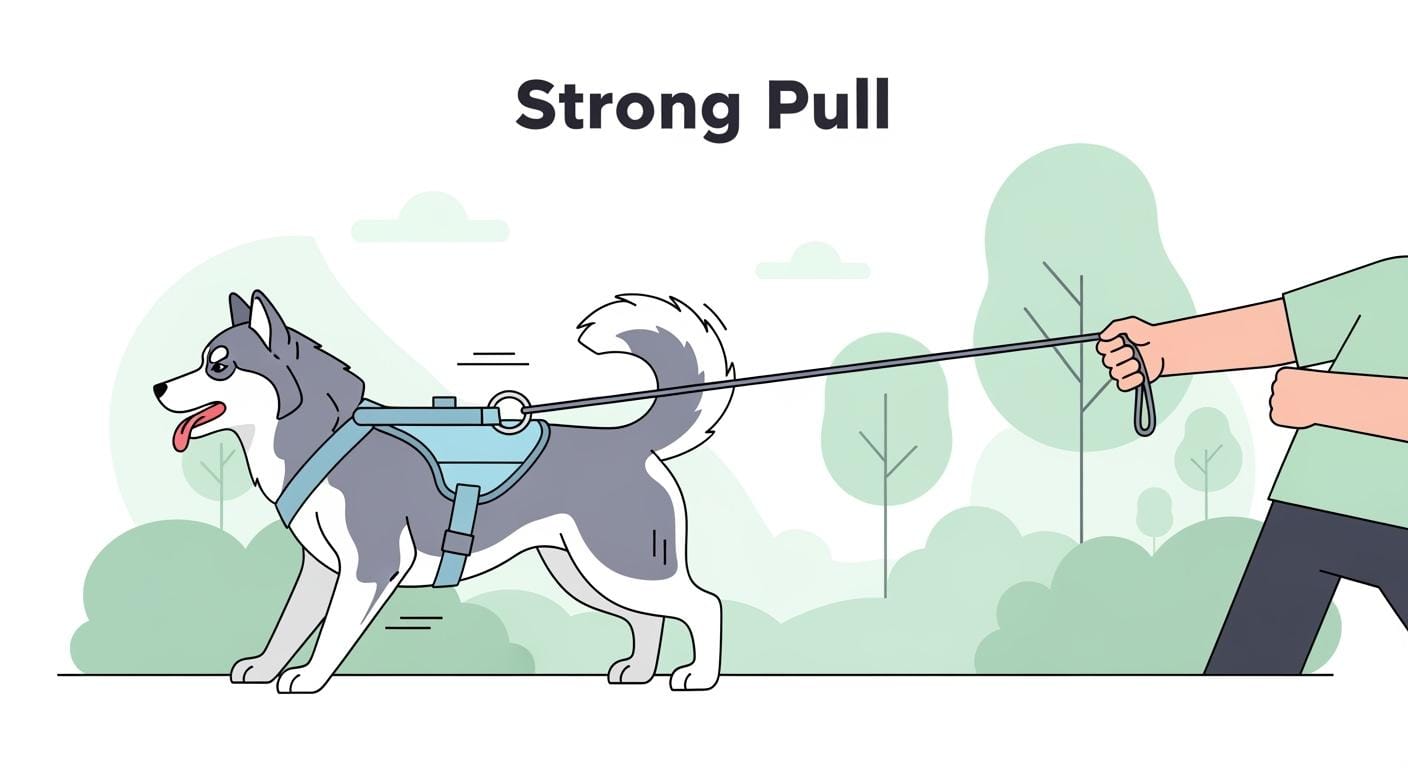
It also helps to pay attention to the moments when control starts to slip rather than treating the whole run as one blur. Problems often show up during pace changes on runs, when leash tension spikes and the harness starts to twist or surge.
Track a few short sessions before changing gear. Note whether stride stays normal, whether the harness stays centered, whether the skin stays clear, whether pulling stays manageable, and whether any heat builds under the straps. A pattern over three to five runs tells you more than one good or bad day.
What changes once the pace picks up
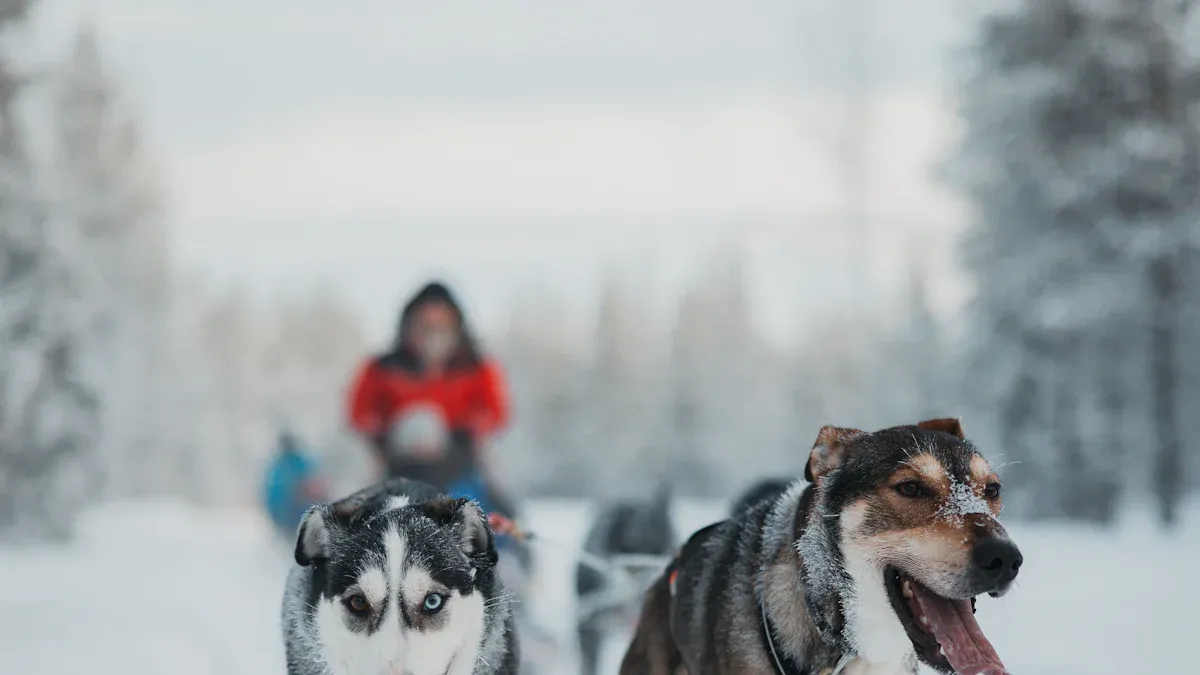
At a jog, your dog’s stride gets longer, the leash pulls from a slightly different angle, and the harness has to stay stable while the body moves through a much bigger range. A harness that blocks shoulder extension often shows up as a shortened step, a slight body twist, or a dog that seems less willing to keep pace.
Heat also becomes a bigger factor than many owners expect. Continuous movement reduces airflow under the straps while body heat rises, so areas that felt fine during a walk can start to rub or trap warmth several minutes into a run. Comfort depends on harness and leash balance, not just on the harness by itself.
Harness features that matter most at a jog
Different dogs stress the harness in different ways. A steady jogger and a dog that surges forward can both need shoulder clearance, but the rest of the feature list may matter for different reasons.
| Feature | Why It Matters at Pace | Steady Jogger | Active Puller | What Good Looks Like |
|---|---|---|---|---|
| Shoulder clearance | Prevents gait alteration and stride shortening that can build into joint stress over time | High priority | High priority | No visible stride shortening after 10 minutes at pace |
| Multiple adjustment points | Maintains a snug fit as coat, weight, and muscle condition change | At least two independent points for a secure fit | Critical to prevent strap shift under load | Chest and girth adjust independently |
| Back clip attachment | Reduces forward pressure on the chest during steady running | Usually preferred for consistent pace | Can encourage pulling if used alone without training | Metal clip at the load-bearing point |
| Front or dual clip attachment | Redirects forward surge during a pull | Optional for added control | Useful for pull management if shoulder clearance stays open | Front clip does not limit forward leg reach |
| Breathable mesh panels | Reduce heat buildup during sustained effort | Recommended in warm conditions | Recommended for high-output sessions | Open weave or mesh in main underarm contact areas |
| Padding at contact zones | Reduces rubbing during longer sessions at pace | Helpful for runs over 20 minutes | Important where straps shift under load | Firm padding, not just a fabric layer |
The difference is often even clearer in dogs that surge or lunge, because sudden force exposes weak fit much faster than steady jogging does.
It also helps to compare several dog harness shapes side by side, because small differences in strap path, padding, and clip placement often matter more than the product label.
Warning signs to watch on early runs
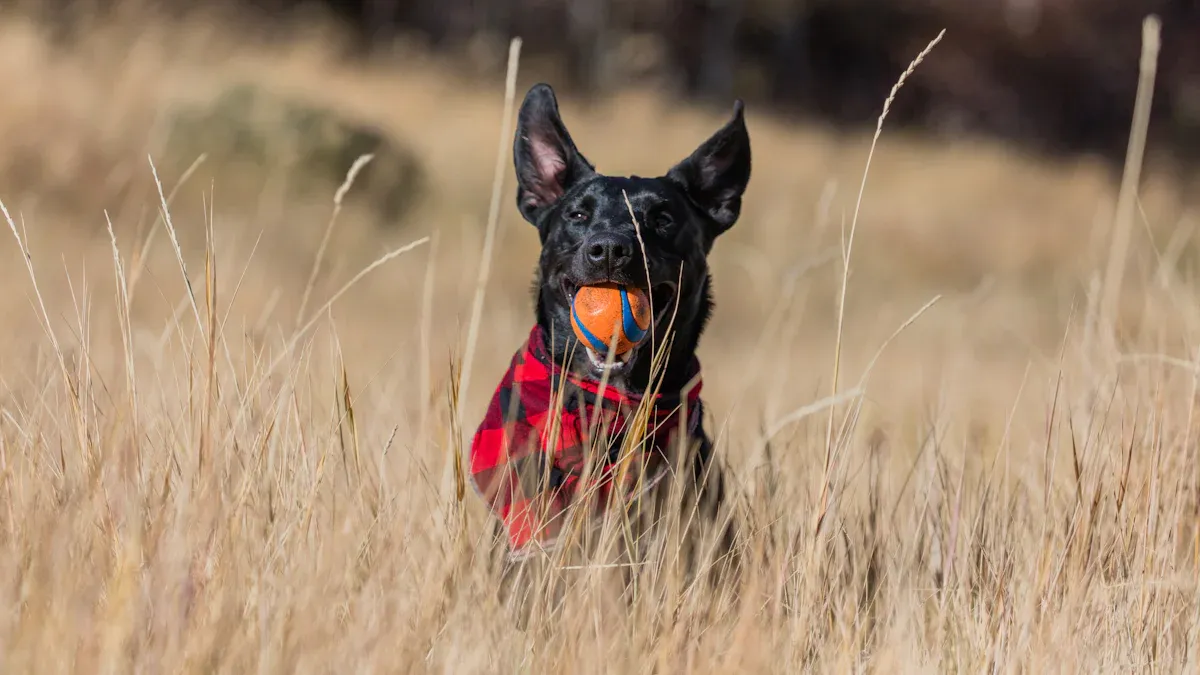
A running harness does not need to cause dramatic pain to be the wrong choice. Early warning signs are usually smaller than that: a shortened stride, more pulling than usual, rubbing behind the front legs, or a harness that consistently rotates once the leash tightens. Catching those signs early is much easier than waiting until your dog starts avoiding the gear.
If something feels off, start here
| Symptom | Mögliche Ursache | Fast Check | Beheben |
|---|---|---|---|
| Pulling worsens at jogging pace | Loose-leash skills were not established at walking pace | See whether pulling starts as soon as the pace increases | Return to walking and build loose-leash habits before running again |
| Shortened stride or body rotation | Harness is limiting shoulder extension at pace | Watch the front legs for reduced forward reach during a jog | Loosen the chest strap or try a different harness shape |
| Rubbing marks or red skin behind front legs | Harness is too loose, too tight, or the wrong shape for the body | Check for hair flattening or skin marks right after the run | Refit all straps and reassess after the next session |
| Dog avoids the harness or freezes when it appears | Discomfort has become associated with the harness over time | Notice whether avoidance started recently or has been there from the start | Slow down the harness introduction and rebuild comfort gradually |
| Heat buildup or hot spots under straps | Sustained movement with limited airflow under the webbing | Run your hand under the straps immediately after each session | Shorten the session, choose better ventilation, or rethink strap width |
Disclaimer: If you notice limping, continued avoidance, or skin damage that does not improve after adjustment, stop running and talk to your veterinarian before continuing.
Run this fit check before every outing
Fit can change over time even if the harness itself has not changed. Coat thickness, body condition, and training load all affect how the straps sit. Before each outing, push two fingers under each strap, clip the leash, and watch how the harness sits at rest. Then walk a short section, jog a short section, and check again after the run for heat, hair flattening, redness, or side drift.
Disclaimer: A well-fitted harness supports comfort and control, but it is not a medical device and it does not replace training.
Common questions about a dog running harness
How do you know if your dog’s running harness fits correctly?
Start with the two-finger check at rest, then confirm the harness stays centered during a short jog and leaves no rubbing marks, visible stride changes, or hot spots afterward.
Can you use a walking harness for jogging?
Sometimes. A walking harness can work for jogging if it allows full shoulder extension, stays centered under load, and does not create rubbing or heat buildup once your dog is moving at pace.
How often should you clean a dog running harness?
Weekly cleaning with mild soap and water is a reasonable starting point for regular use, with an extra rinse after wet, muddy, or especially sweaty sessions.
What leash setup works best for running with a dog?
A fixed-length leash in the 4 to 6 foot range is often the easiest place to start. Hands free setups usually make more sense after your dog already runs steadily without surging.
Bottom line
A dog running harness works best when your dog is ready for jogging, the harness leaves shoulder movement open, and you treat fit checks as part of every run instead of a one-time setup task. If the harness stays centered, your dog moves naturally, and the skin stays clear after repeated sessions, you are usually on the right track.