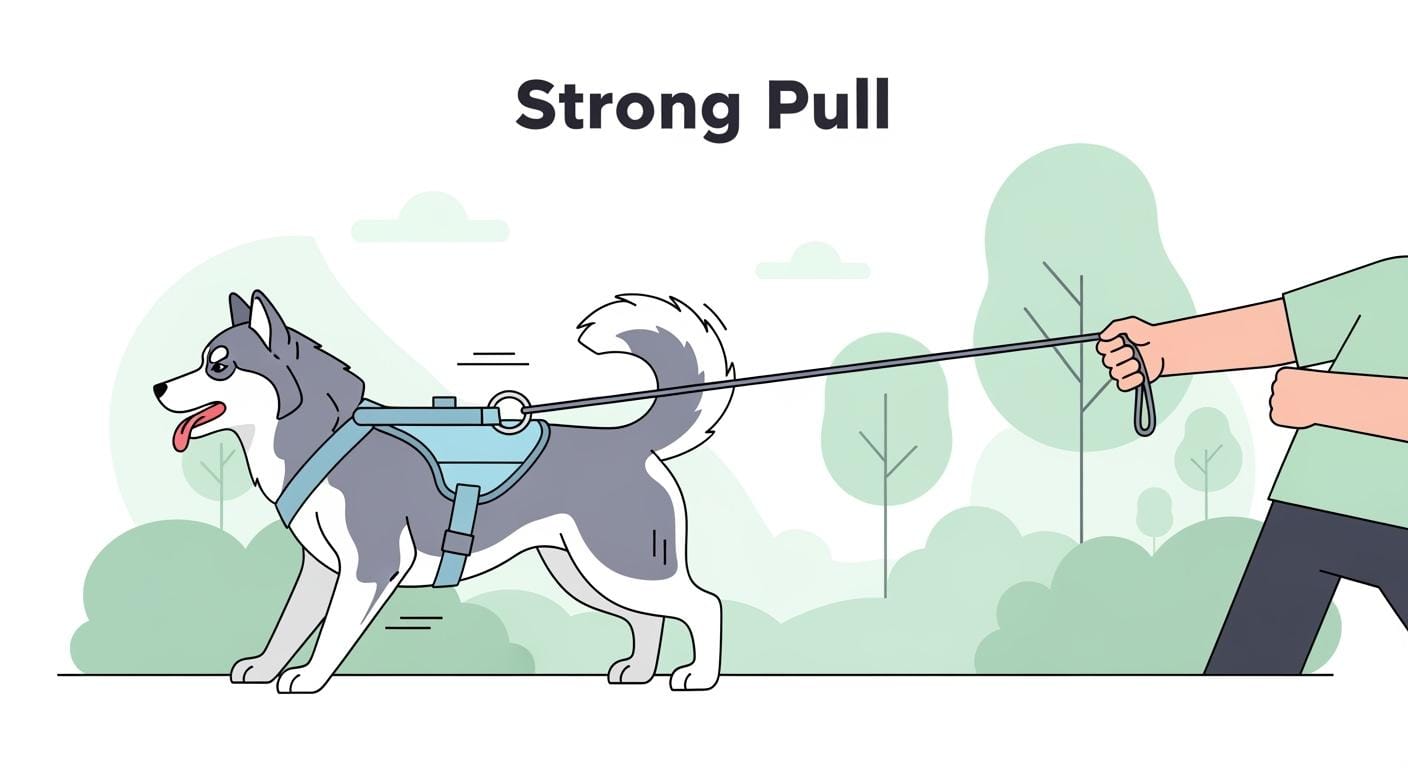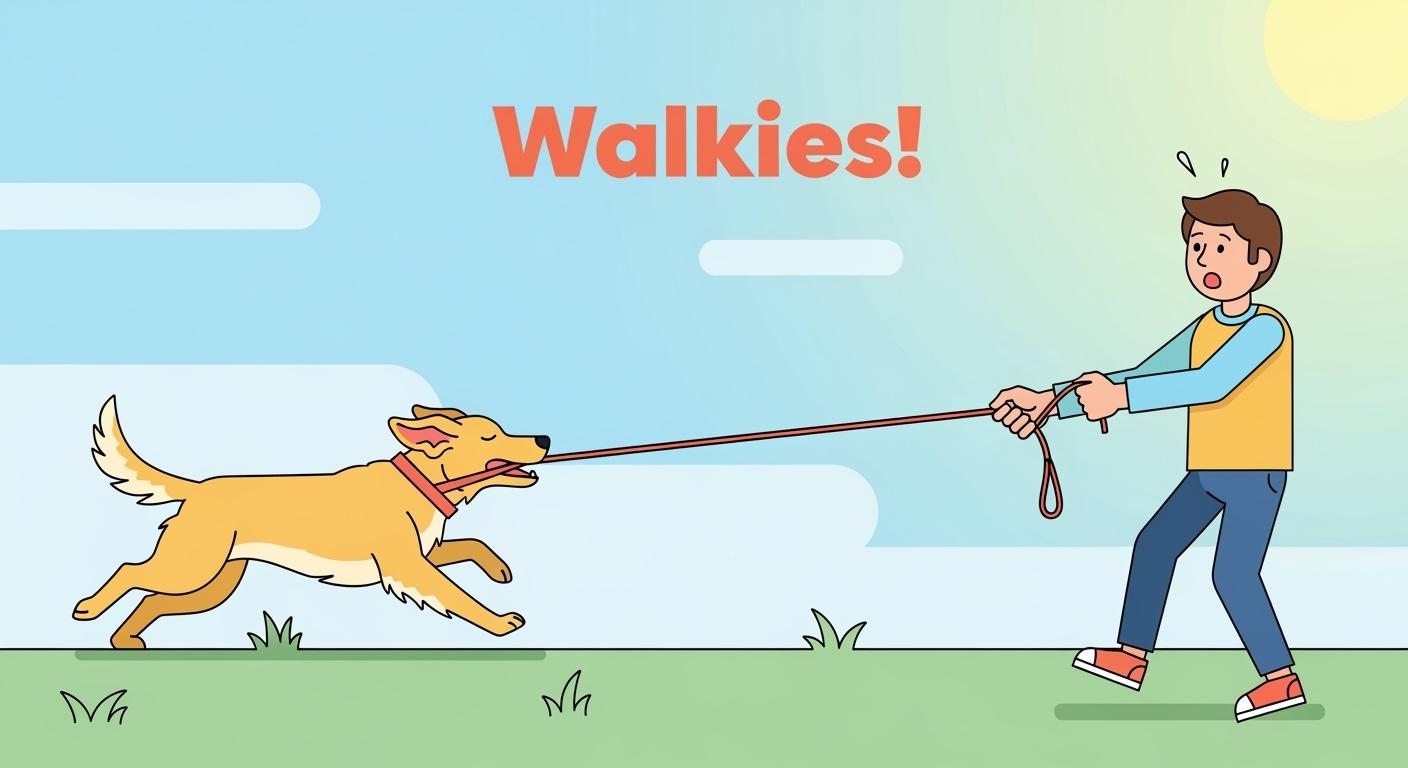
The best dog leash for pulling is usually the one that gives you quick, predictable control without making the walk harder on your hands. Problems often start when the leash is too long, too thin, or fitted with hardware that does not match your dog’s strength or your walking environment.
Das Wichtigste in Kürze
Choose a fixed-length leash that keeps your dog close enough for quick guidance. Pick a handle and leash width that still feel secure when your dog pulls. Check webbing, stitching, and clip security before each walk.
How to Choose the Best Dog Leash for Pulling
Leash Length, Width, and Grip Comfort
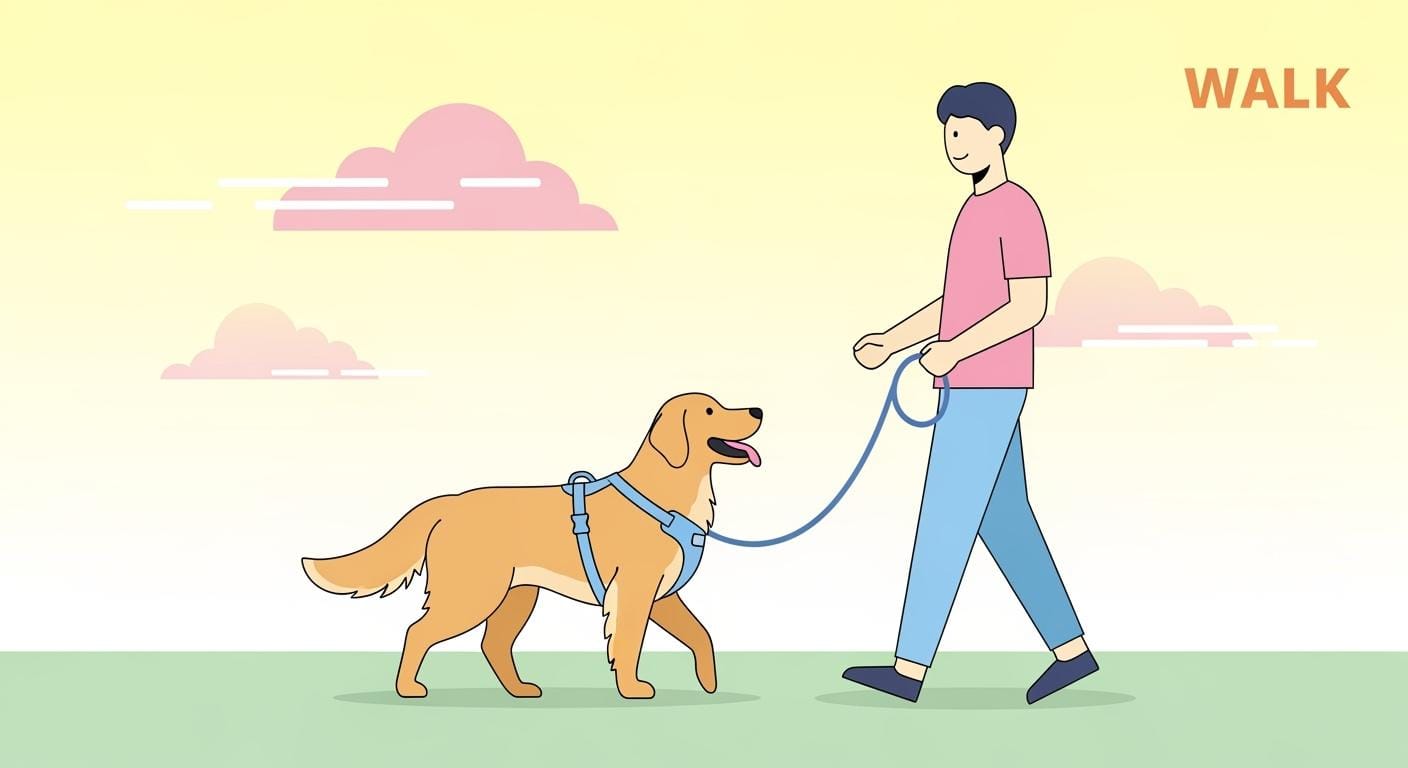
You need a leash that gives you steady control when pulling happens often. For many daily walks, a fixed length of about 4 to 6 feet is easier to manage than a longer line because it keeps your dog close enough for quick guidance without forcing an unnaturally short stride.
Leash width matters almost as much as length. Very thin leashes can bite into your hand, while overly bulky ones can feel awkward and slow to gather. Choose a width and handle shape you can hold comfortably when your dog surges forward.
Here is a quick reference for leash selection:
| Recommendation | Description |
|---|---|
| Leash Length | Choose a fixed-length leash that matches your everyday routes, allowing your dog to move naturally without losing close control. |
| Leash Thickness | Avoid very thin leashes that can bite into your hand; choose a thickness that balances comfort and control. |
| Handle Feel | Opt for a handle that remains comfortable when your dog pulls; preferences vary between padded flat handles and round rope handles. |
Signs Your Dog Leash Fails in Control
You can usually spot leash problems before they turn into real control issues. If the leash twists, slips in your hand, feels harsh on your palm, or delays your response when your dog lunges, the setup is not working well.
Common mistakes include choosing a leash by size label alone, overlooking clip quality, or expecting the leash itself to solve pulling. The leash, the attachment point, and your handling style all need to work together.
Tip: Always check the leash clip before each walk. A secure clip prevents accidental escapes.
Pass/Fail Leash Suitability Self-Check
Use this table to test your leash before daily use:
| Inspection Item | Signal weiterleiten | Fehlermeldung | Lösung |
|---|---|---|---|
| Close-control length | Dog stays within 4-6 feet, easy to guide | Dog drifts too far, hard to redirect | Switch to a fixed-length leash |
| Grip security | Handle feels steady, no slipping | Handle twists, slips, or causes hand pain | Try a different handle style or width |
| Clip confidence | Clip locks with a clear click, no twisting | Clip feels loose, twists, or pops open | Replace with a stronger, anti-twist clip |
When Close Control Is Essential
Certain situations need the highest level of close control. Busy sidewalks, curb crossings, narrow trails, and crowded parks all call for a leash you can shorten and guide with quickly.
Some handlers get better steering and shorter reaction time by pairing the leash with a well-fitted harness that offers more control at the chest or back. That choice still needs fit checks and practice. No leash setup replaces basic handling and loose-leash training.
Note: Training and leash choice work together. No leash alone can solve pulling if the collar or harness does not fit well or if the dog has not learned basic leash manners.
Step-by-Step Buying Guide
- Start with your usual walking environment. Choose a leash length that keeps your dog close enough for quick guidance but still gives comfortable room to move.
- Check the leash width and handle comfort. Hold the leash in your hand and pull firmly to test grip and anti-slip features.
- Inspect the clip. Attach and detach it several times to confirm it locks securely and does not twist.
- Test the leash with your dog in a safe area. Practice sudden stops and changes in direction to see how the leash handles real pulling.
- Review your collar or harness setup. Make sure it fits well and does not cause coughing or noisy breathing during walks.
If you switch to a new leash, start in a low-distraction area and reward calm walking. Stop when pulling builds, reset your position, and repeat short practice sessions before relying on the setup in busier places.
Dog Leash Features That Help or Hurt Pulling Control
Fixed vs. Retractable Leash Designs
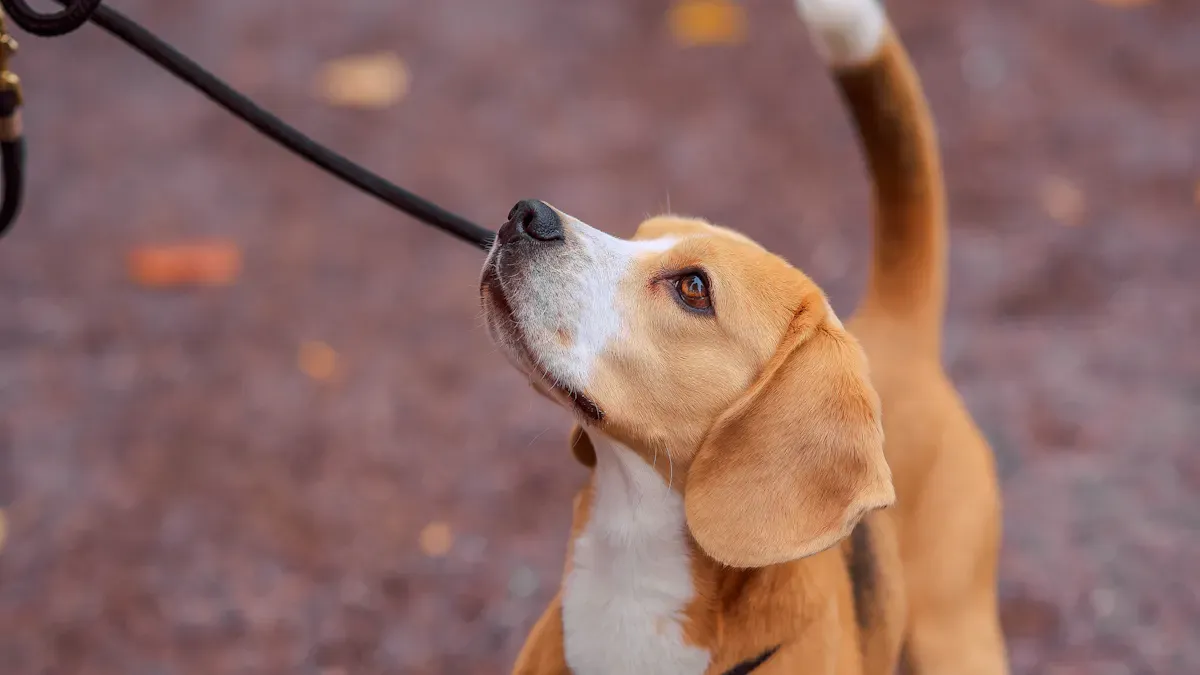
You need to understand how leash design changes control. Fixed-length leashes give you a more predictable connection and make it easier to guide your dog in tight spaces. Retractable designs create more distance and more slack to manage, which can make sudden pulling harder to handle. Fixed-length leashes are usually easier to manage when close control matters.
- Fixed-length designs usually give more predictable guidance.
- Retractable designs usually give less immediate close control.
Match the leash type to your walking environment and your dog’s habits. In crowded places, a shorter fixed length is often easier to handle because your dog stays closer and your response stays quicker.
Comparison Table: Types of Dog Leashes for Pulling
| Leash Type | Best Use Case | Control Level | Handle Comfort | Clip Security | Bulk/Stretch | Notes |
|---|---|---|---|---|---|---|
| Fixed-length (4-6 ft) | Everyday walks, training | High | Varies | High | Low | Often easier to manage for daily pulling control |
| Retractable | Open fields, recall practice | Low | Varies | Medium | Low | Often harder to manage for strong pullers |
| Double-handled leash | Urban walks, close control | High | High | High | Low | Extra handle for traffic situations |
| Heavy-duty | Large, strong pullers | High | Medium | High | Medium | May feel bulky for small handlers |
| Elastic/stretch | Jogging, shock absorption | Low | Medium | Medium | High | Adds movement; often harder to manage with strong pullers |
You should choose a leash that matches your need for control, not just your dog’s size. A double-handled leash gives you an extra grip point for busy streets or sudden stops.
Traffic Handles, Clips, and Anti-Twist Hardware
Traffic handles can help when you need fast close control near cars, cyclists, or other dogs. They are most useful when you can reach them quickly without fumbling or changing your grip.
Handle comfort matters, but hardware quality matters just as much. Check that the clip closes cleanly, rotates without sticking, and does not feel loose at the hinge.
Tip: Always test the clip and handle before each walk. Reliable hardware is key to safety.
When Stretch or Bulk Reduces Control
A thicker or stretchier leash is not always easier to control. Too much stretch can delay your response, while too much bulk can feel clumsy in your hand. Choose a width that improves grip without making the leash hard to gather, especially when it is wet.
- A moderate increase in width can improve grip for some handlers.
- Grip-friendly surfaces are often easier to manage in wet conditions.
- Good handle feel makes it easier to redirect a dog without overgripping.
Avoid leashes that feel springy, slippery, or overly bulky in your hand. A good leash should feel sturdy and quick to manage when your dog changes speed or direction.
Troubleshooting Table: Common Leash Control Problems
| Symptom | Mögliche Ursache | Schnellüberprüfung | Lösung |
|---|---|---|---|
| Dog pulls and you lose control | Leash too long or stretchy | Measure leash length; check for stretch | Switch to a fixed-length, non-elastic leash |
| Handle hurts your hand | Leash too thin or rough | Squeeze handle firmly | Choose a wider, padded, or round handle |
| Clip twists or opens | Weak or worn hardware | Test clip for secure locking | Upgrade to heavy-duty, anti-twist hardware |
| Dog wanders too far | Using retractable or long leash | Observe dog’s distance on walk | Use a shorter leash for crowded environments |
| Leash slips when wet | Handle or webbing too smooth | Wet leash and test grip | Pick a leash with textured or rubberized handle |
You can improve many leash control problems by choosing equipment you can actually handle well and by practicing consistent walking habits in quieter settings first.
Note: Picking a leash based only on your dog’s weight or choosing a leash that is too long for your environment can lead to safety risks. Always check the strength of the clip and the width of the leash before each walk.
When you know which leash features help and which ones slow you down, it becomes much easier to choose a setup that feels steady on daily walks.
Best Dog Leash Materials and Setup Choices
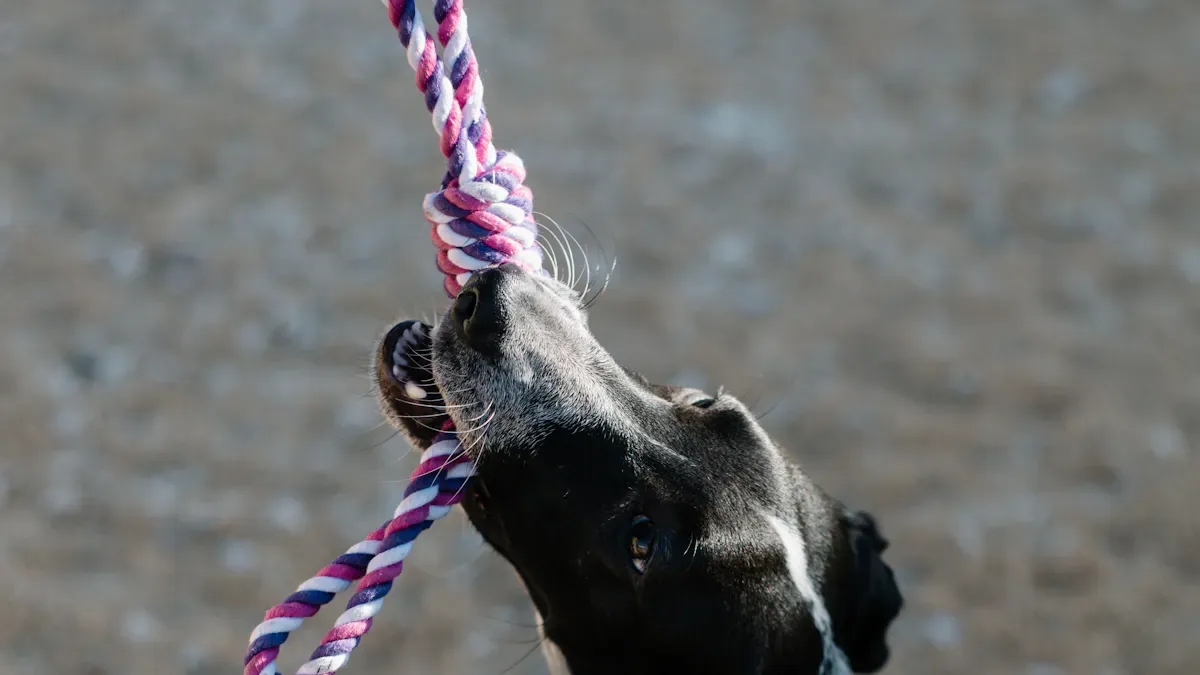
Webbing, Stitching, and Hardware Quality
Look closely at the leash material and the finish around the edges. Dense webbing, even stitching, and solid hardware usually hold up better in repeated daily use than thin, loosely finished materials.
- Dense webbing usually handles repeated tension better.
- Even stitching helps reduce early wear around stress points.
- Hardware should feel solid and move cleanly without obvious weakness.
- Smooth edges are easier on your hands during longer walks.
- Reliable hardware supports steadier handling.
What the Leash Clips To and Why It Matters
Match the leash to the way your dog is attached. A collar, front-clip harness, or back-clip harness changes how the pull feels in your hand. If your dog coughs, chokes, or sounds noisy on a collar, pause and reassess the full walking setup before continuing.
Cleaning and Care for High-Use Leashes
Clean a high-use leash often enough that dirt, grit, and moisture do not stay trapped in the webbing or around the clip. Always let it dry fully before storage or reuse.
| Material | Cleaning Method | Storage Tips |
|---|---|---|
| Biothane | Wipe with soapy water, rinse, air dry. | Keep in a dry place, away from sunlight. |
| Nylon | Wash in cold water, air dry. Check hardware first. | Hang or fold loosely. |
| Leather | Wipe with a damp cloth, use conditioner. | Store in a cool, dry place; avoid heat. |
Regular cleaning and full drying help you notice wear earlier and keep the leash feeling safer in daily use.
For most strong pullers, the better everyday choice is a fixed-length leash with a comfortable grip, secure hardware, and enough structure to stay manageable when the dog surges forward.
- Padded handle for grip and comfort
- Strong webbing and secure clip
- Traffic handle for busy areas
- Well-fitted harness for your dog
Match the leash to your dog’s pulling pattern, your handling style, and the places you walk most often.
Häufig gestellte Fragen
What should you do if you lose grip during a sudden lunge?
Stay calm and regain control without wrapping the leash around your hand. Once the situation is safe, review whether the grip, leash width, or clip setup made the lunge harder to manage.
How can you quickly check if your leash is worn out?
Inspect the webbing, stitching, and hardware before each walk. Look for fraying, rust, or loose threads. Replace the leash if you see any damage.
Can the right leash stop all pulling problems?
No leash solves pulling by itself. A better setup can improve handling, but practice, fit, and consistent walking habits still matter.
Disclaimer: This FAQ is general information only. For serious behavior or safety concerns, ask a qualified professional who can assess your dog directly.