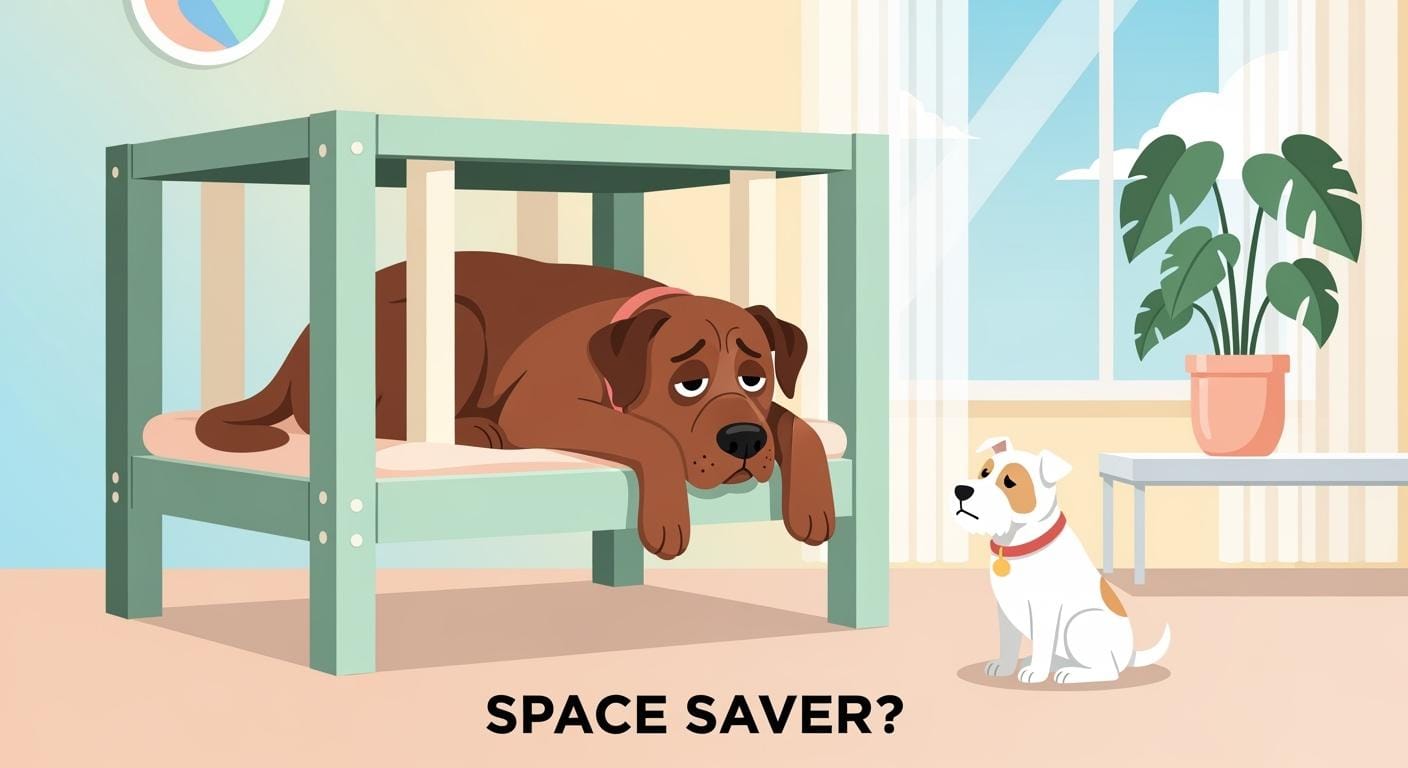
Choosing the best dog harness for large dogs is not just about size. What matters more is whether the harness stays stable once your dog starts walking, turning, and pulling into the leash. A harness that looks fine at home can still ride up, shift off center, crowd the shoulders, or feel too bulky once a large dog starts moving with real force.
This page focuses on that question. Instead of treating large-dog buying as a general checklist, it looks at what helps a harness stay low on the chest, clear through the shoulders, and balanced on walks without constant shifting or correction.
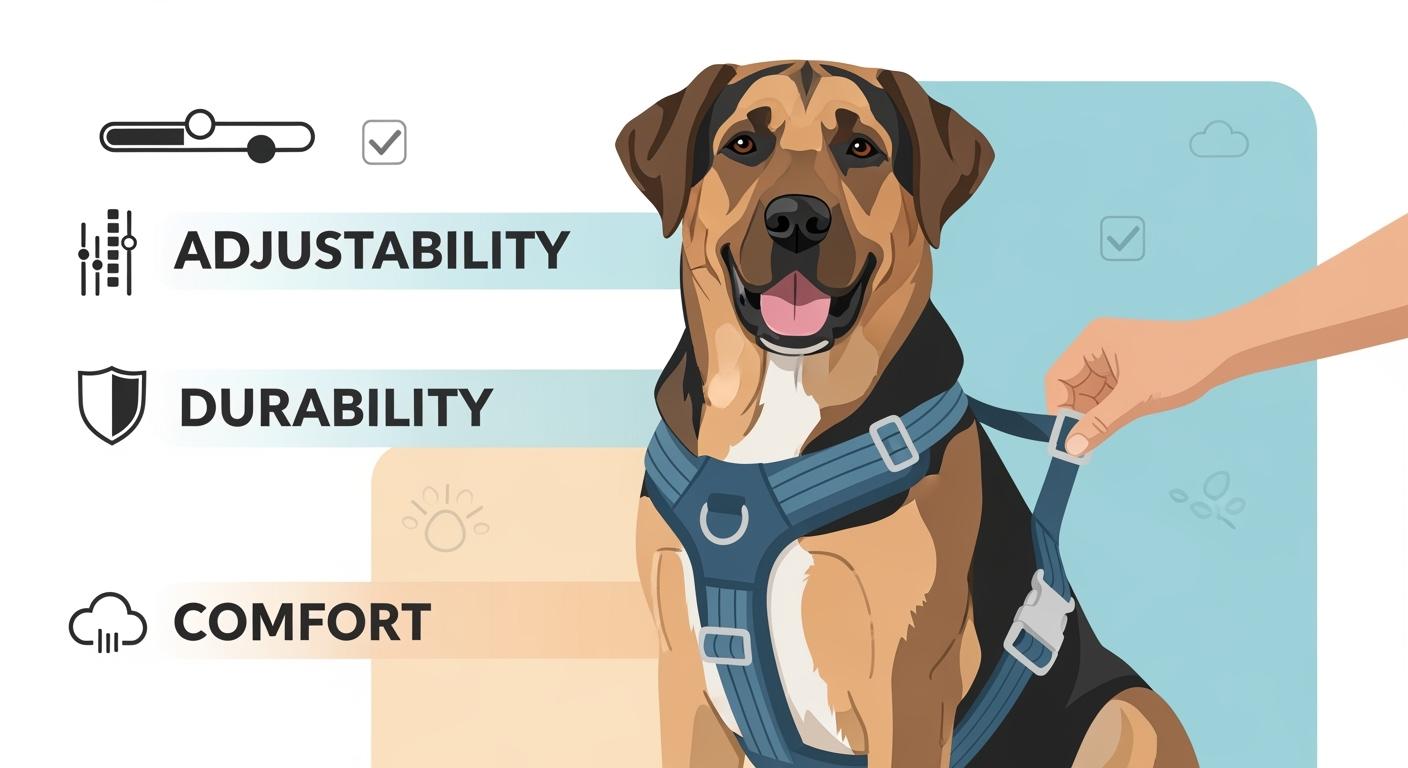
Why large dogs expose fit problems faster
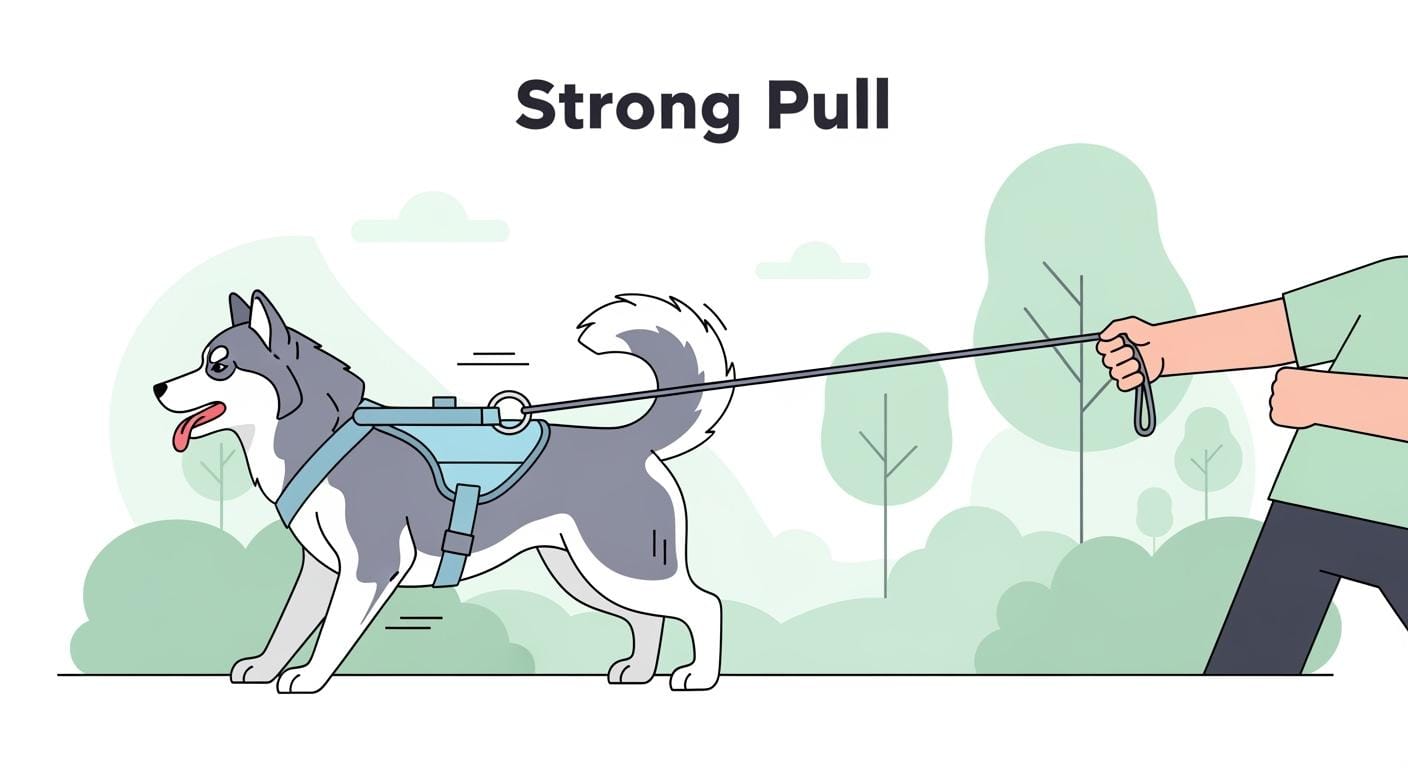
Large dogs do not just need more room. They create more forward force, more side-to-side torque, and more visible movement errors when the harness shape is wrong. A fit problem that feels minor on a lighter dog can become obvious quickly on a larger dog because the harness has more weight and more pull to manage at the same time.
This is why chest depth matters so much. A harness that sits flat enough on a medium dog can start riding upward on a deeper, broader chest if the front section is too short, too high, or too bulky. Shoulder clearance matters for the same reason. If the front layout crowds the shoulder line, a large dog tends to show it quickly through shortened stride, stiffer turning, or repeated shifting after leash tension starts.
If you want a broader sizing and material overview first, use the best dog harness guide as your starting page. But for large dogs, the real question usually becomes narrower: does this harness still sit cleanly once the body is actually moving under load?
- Chest depth should help the front section stay low and stable instead of climbing upward.
- Shoulder clearance should allow long, natural steps without the front straps cutting across movement.
- Belly-strap position should stay clear of the elbow zone even after several minutes of walking.
- The whole harness should stay centered instead of rolling or dragging to one side.
Chest depth, shoulder clearance, and strap path matter more than a long feature list
A large-dog harness usually works best when the strap path follows the body simply and clearly. More panels, thicker front coverage, or extra bulk do not automatically improve control. In fact, bulk can make a big harness feel more awkward if the front section starts fighting the dog’s chest shape or blocks the shoulder line.
Chest depth is the first thing to watch. The front of the harness should sit low enough to spread pressure across the chest instead of creeping toward the throat when your dog leans forward. Then check the shoulder line. The harness should not force your dog into shorter steps or make turning look stiff just because the front coverage sits too far across the moving joint area.
Strap path matters just as much as chest size. You want the load to travel through the harness in a way that stays balanced when the leash tightens. If one side starts carrying more force than the other, the harness often begins to drift, twist, or bunch up on one shoulder. That is not just a small annoyance. On a big dog, it often becomes a real daily-use problem very quickly.
If you are comparing actual product types before narrowing down fit, start with the dog harness collection and then come back to these fit checks. For large dogs, the right structure matters more than a broad promise on the product label.
Handle, hardware, and load path checks under real leash pressure
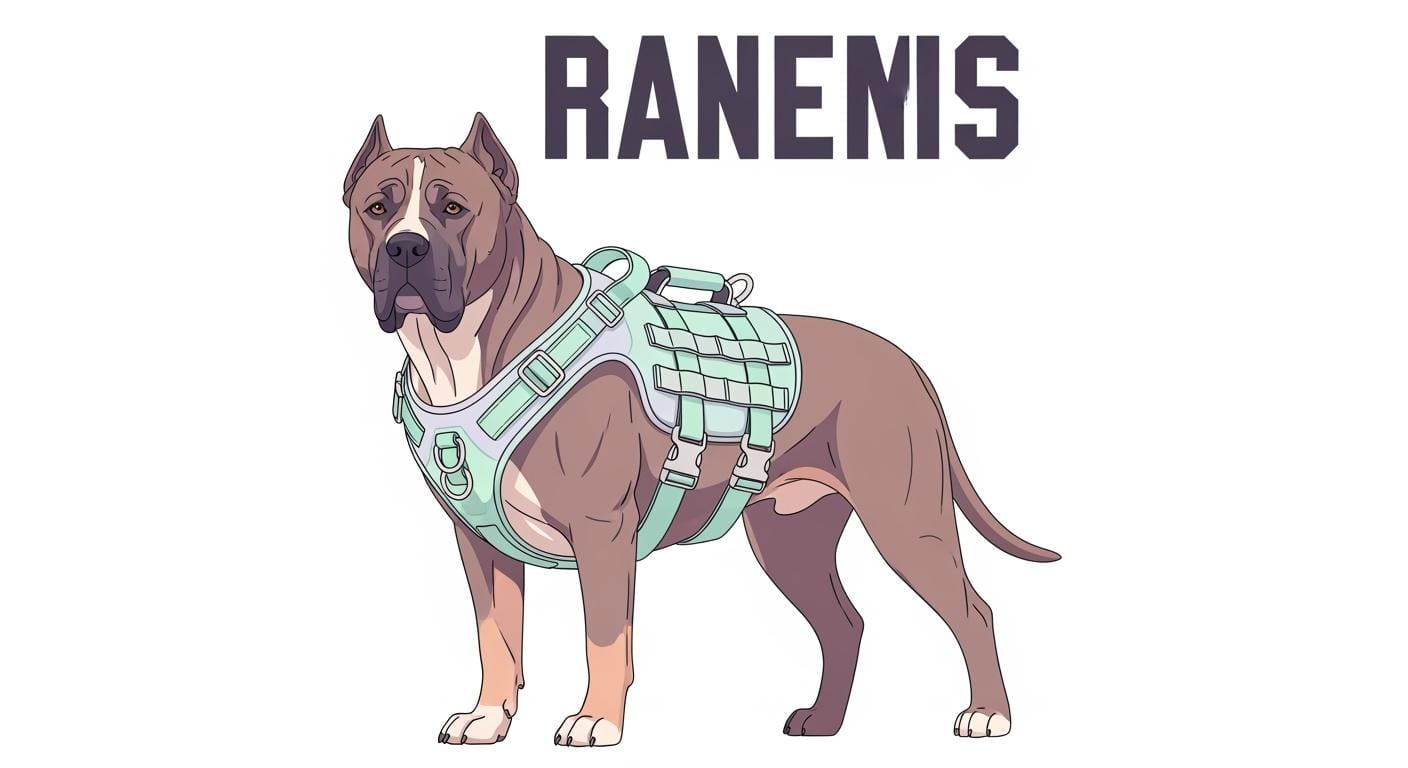
Large dogs expose weak or awkward control features faster than smaller dogs do. A handle can be useful, but only when it lies flat, does not add a pressure point on the back, and does not tempt buyers to treat the harness like a lifting device. In everyday walking, a badly placed handle often adds bulk without solving the main fit problem.
Hardware size also needs to match the dog’s actual pull force, not just the clothing size. Rings, buckles, and strap junctions should feel proportionate and stable. But bigger hardware is not always better. Oversized metal can add unnecessary weight and make the harness feel top-heavy or clumsy if the rest of the structure is not balanced.
What matters most is load path. Once the leash tightens, the force should move through the harness in a controlled way that stays centered on the body. If the front clip, back ring, or handle placement causes the harness to rotate, tilt, or ride upward, that layout is not handling the dog’s size well.
What to test before you trust a large-dog harness on daily walks
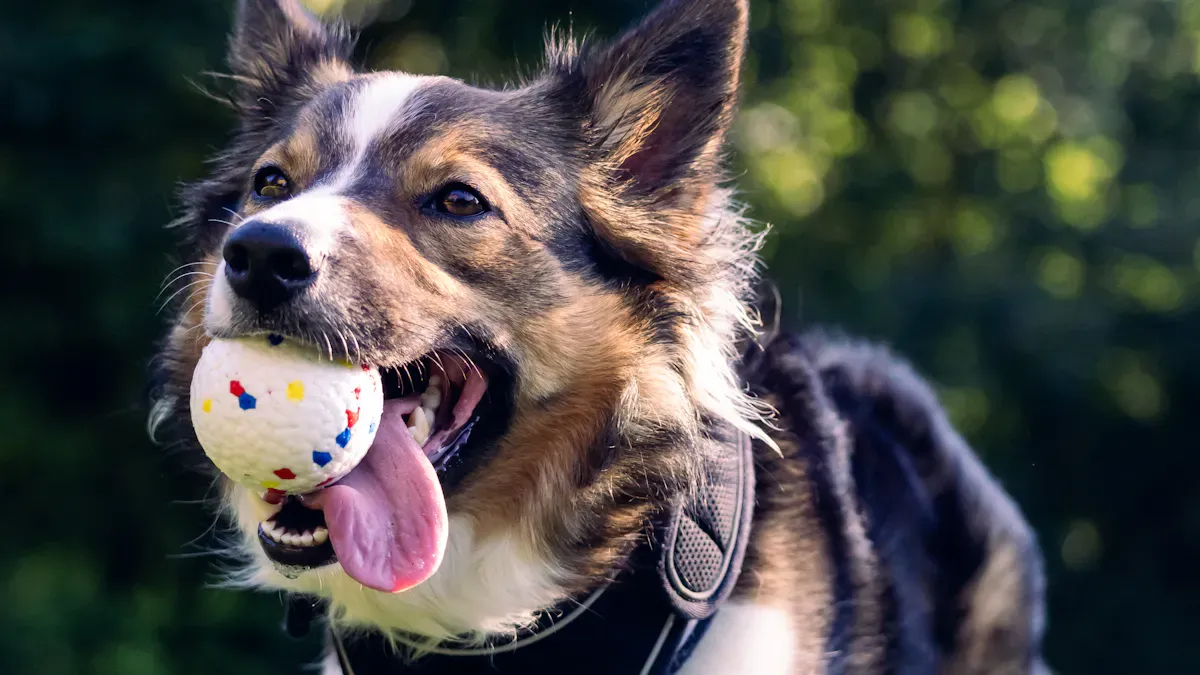
A short walk test is still useful, but for large dogs the test should focus less on “does it fit at all” and more on “what changes once the load starts.” Put the harness on indoors first, then run through a few controlled checks before you assume the fit is good enough.
- Walk your dog forward at a normal pace and watch whether the harness stays centered.
- Make one slow turn each way and check if one side starts pulling harder.
- Watch the front section when the leash tightens. It should stay on the chest instead of climbing toward the throat.
- Look for shoulder crowding when your dog lowers the head or lengthens stride.
- Run your hand behind the front legs after a few minutes to check for heat, rubbing, or compressed coat.
The best large-dog harness often looks uneventful in motion. It does not need to feel dramatic or oversized. It just needs to stay low enough on the chest, clear enough of the shoulders, and stable enough that you are not correcting drift, bulk, or pressure shift every few steps.
When a bulky or overbuilt harness is the wrong answer
Many buyers assume a larger dog needs the thickest or most heavily built harness available. But heavy padding, oversized front sections, or too much structure can create a different set of problems. A harness can look serious and still feel hot, stiff, awkward, or unnecessarily restrictive in regular daily use.
That is why the better question is not “which harness looks strongest?” It is “which harness keeps fit simple under the amount of force this dog actually creates?” A clean, stable layout usually outperforms a bulky one when the dog needs everyday walking control rather than maximum visual coverage.
- Skip extra bulk if it makes the front section ride high or crowd the shoulder line.
- Be careful with handles that sit proud or create a raised pressure area on the back.
- Do not assume more padding automatically means better comfort on a large dog.
- Choose the layout that stays balanced under load, not the one with the longest feature list.
Häufig gestellte Fragen
What matters most for a large dog harness, weight or chest depth?
Chest depth usually tells you more about how the harness will sit and behave. Weight can help narrow the range, but chest shape and shoulder structure usually decide whether the harness stays stable.
Does more padding make a large-dog harness better?
Not always. Extra padding can add heat and bulk. A large dog often does better in a harness that lies flat, follows the body cleanly, and does not crowd movement.
Is a handle always useful on a large-dog harness?
No. A handle only helps when it stays flat and does not interfere with normal fit. A bulky or poorly placed handle can add weight and pressure without improving control.
Why does the harness shift to one side on a large dog?
Side shift usually means the load path is uneven, the chest section is not sitting stably, or the overall structure does not match the dog’s body shape under leash tension.
When should I stop using a large-dog harness?
Stop using it if the harness keeps riding toward the throat, twisting under load, rubbing behind the legs, or showing hardware and stitching problems after adjustment. Those are not minor break-in issues.