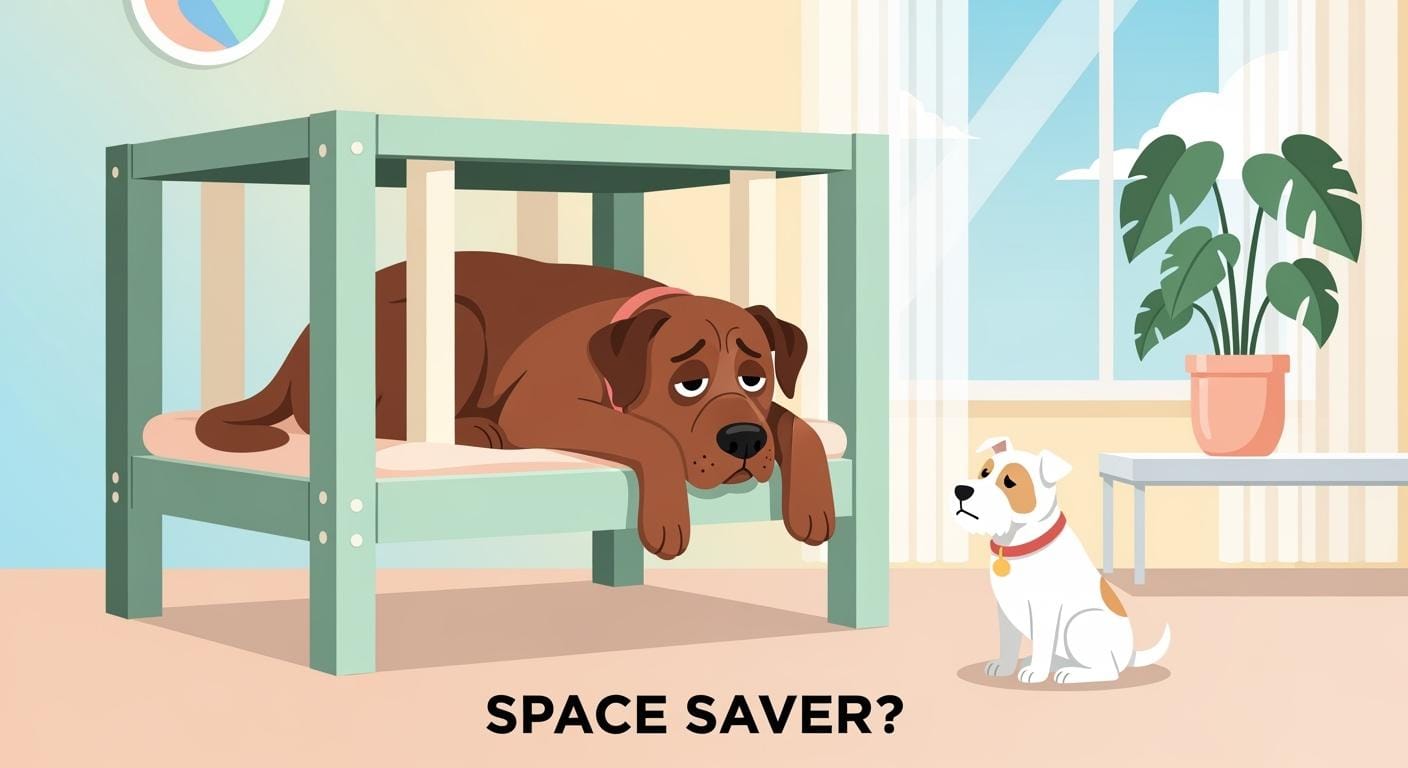
For B2B buyers comparing the best dog harness options, clip style is not just a small hardware detail. It changes how force moves through the harness, how stable the product feels during walks, and where fit problems usually appear. A front clip may help with directional control, a back clip may feel easier for calm daily walking, and a dual-clip design can cover more use cases when the harness structure is built well.

The safer starting point is to judge clip style together with body shape, adjustment range, chest panel stability, and likely walking scenarios. Buyers who start from the right dog harness structure can reduce mismatch risk before choosing materials, size ranges, or customization details.
Why clip style changes harness performance
Clip position decides where leash tension enters the harness. That is why two harnesses with similar fabric, padding, and size charts can behave very differently once the dog pulls, turns, backs up, or changes direction. For product selection, the question is not which clip style is universally better. The question is which style fits the target use case without creating new fit or control problems.
Front-clip harness
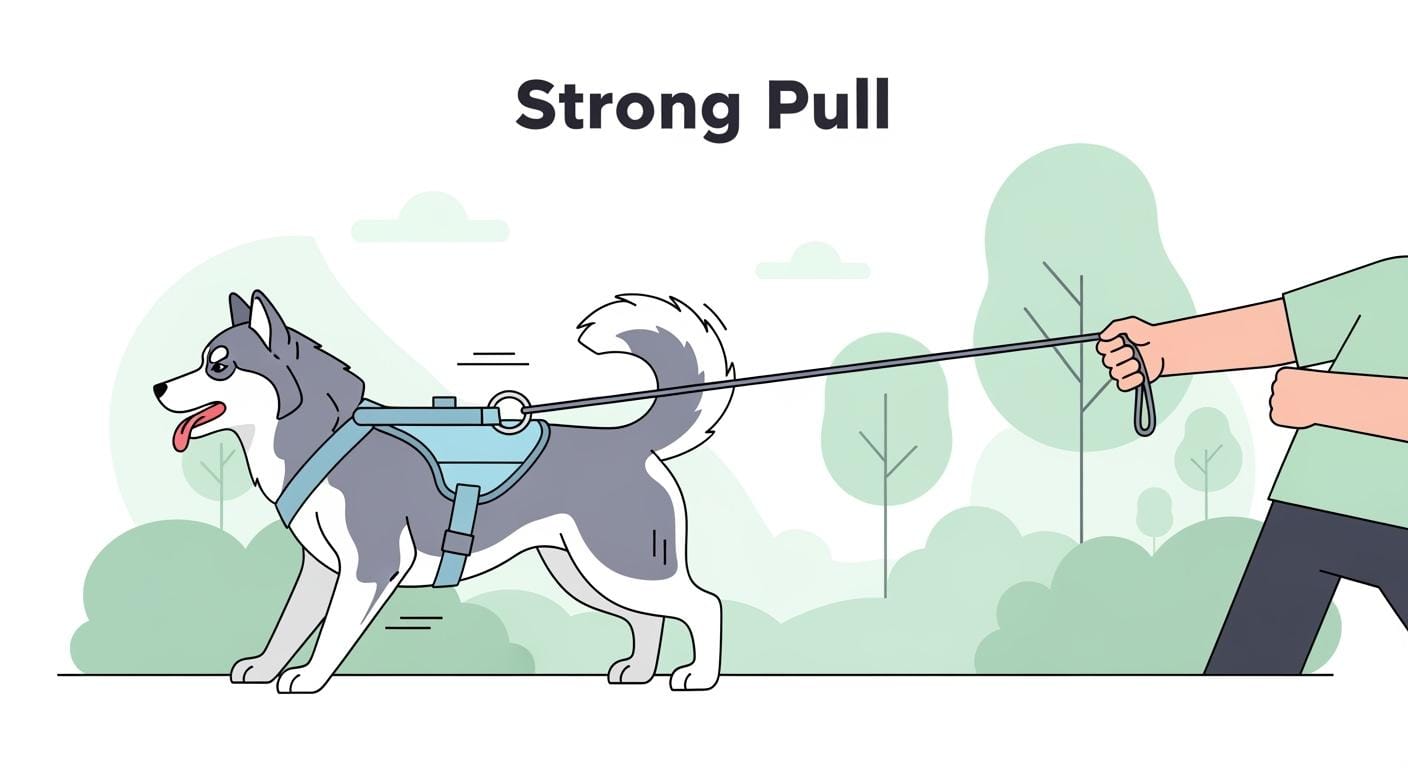
A front-clip harness attaches the leash at the chest. This can help redirect forward pulling because the leash tension turns the dog slightly instead of giving straight-line leverage. It can work well for stronger walkers, busy sidewalks, and products positioned around control.
The risk is that a weak chest structure, loose adjustment range, or poor body-shape match can make the harness rotate. If the front panel shifts sideways, buyers may see rubbing near the shoulder area, uneven pressure, or a product that looks unstable even when the size label seems correct.
Back-clip harness
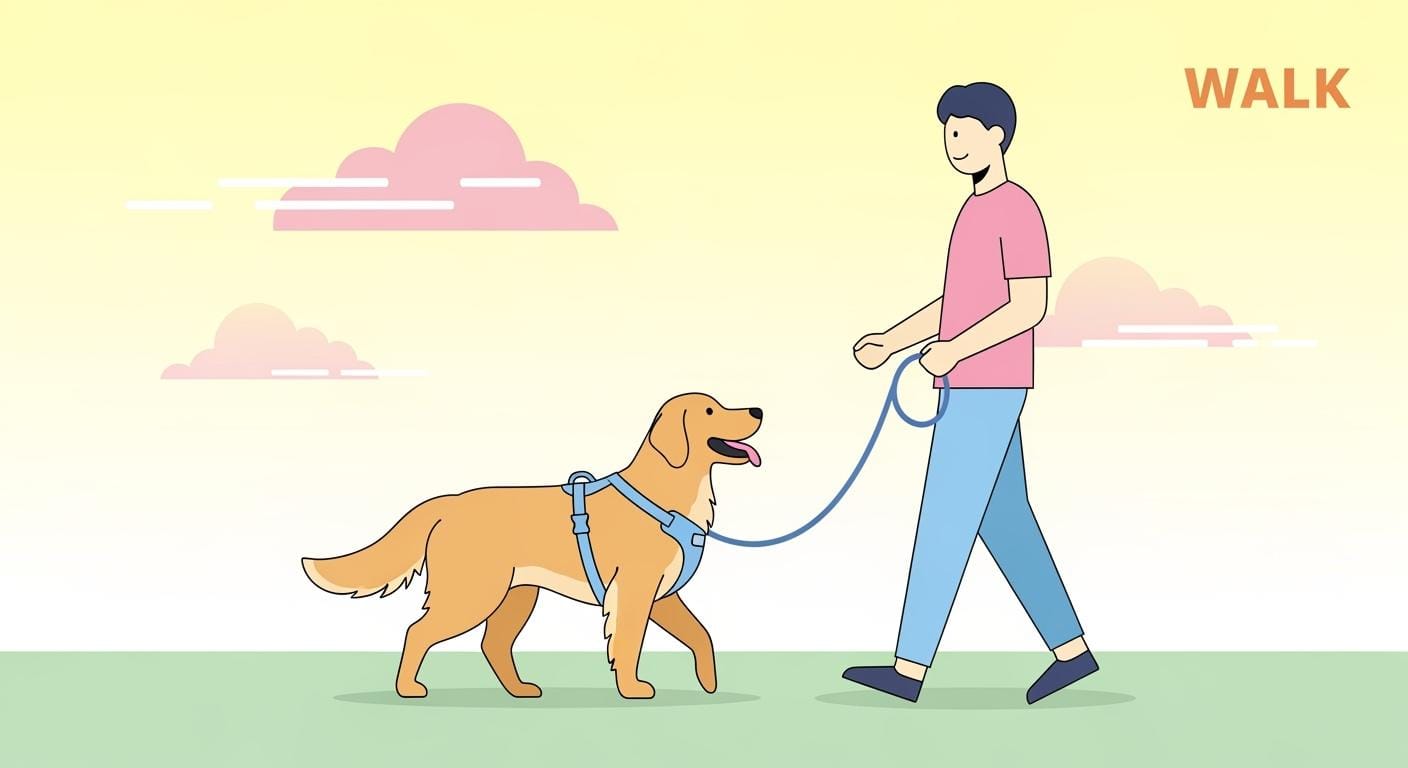
A back-clip harness attaches the leash over the back. It is usually easier to understand, easy to put on, and comfortable for calm daily walks. For lightweight daily-use harnesses, this style can be a practical choice when control is not the main purchase reason.
The limitation is forward leverage. If the dog pulls hard, a back-clip layout may let the dog lean into the harness instead of reducing the pulling problem. Buyers should avoid positioning a simple back-clip design as a strong-control option unless the structure, strap path, and intended use support that claim.
Dual-clip harness
A dual-clip design offers both chest and back attachment points. It can be useful when one product needs to cover different walking situations, such as relaxed routes, crowded areas, or changing control needs. This flexibility can make the product easier to match with a broader customer need.
The tradeoff is complexity. Dual-clip harnesses can be bulkier, and the extra hardware only helps if the harness remains stable under tension. A product with two clips but poor chest balance can still twist, rub, or feel difficult to adjust. For B2B selection, dual-clip should be judged by structure first, not by feature count.
| Clip style | Best fit for | Main risk to check |
|---|---|---|
| Front-clip | Pulling control, crowded routes, stronger steering needs | Side rotation, shoulder rub, unstable chest panel |
| Back-clip | Calm daily walks, simple wear, comfort-led designs | More forward leverage if the dog pulls hard |
| Dual-clip | Mixed use cases, flexible control needs, broader product coverage | Extra bulk, more adjustment decisions, poor balance if structure is weak |
A simple rule for product judgment is this: choose front-clip when control is the main reason, back-clip when easy daily comfort is the main reason, and dual-clip only when the harness structure can support both uses without shifting.
Fit problems matter more than the clip label
A harness can have the right clip style and still fail in use if the fit system is weak. Many problems blamed on clip style actually start from size grading, adjustment range, chest panel width, or a strap path that does not match common body shapes.
Check the sizing logic before the style claim
For buyers, the size chart should not rely on weight or breed labels alone. Chest girth, lower neck position, adjustment margin, and body depth all affect whether the harness sits correctly. If the size range is too broad, one size may cover the chart on paper but feel loose, tight, or unstable in real walking conditions.
Check movement, not only standing fit
A standing photo can hide harness failure. The better test is movement: walking forward, turning, sitting, leaning into the leash, and backing up. Watch whether the harness stays centered, whether the chest panel rotates, whether the front strap moves too close to the armpit, and whether the neck opening widens when the dog reverses.
Watch for early mismatch signs
- The harness shifts to one side when leash tension increases.
- The dog can back out with a short reverse movement.
- The chest strap slides toward the front legs.
- The shoulder movement looks shortened or stiff.
- Red marks, coat wear, or pressure lines appear after short use.
How to match clip style with real use cases
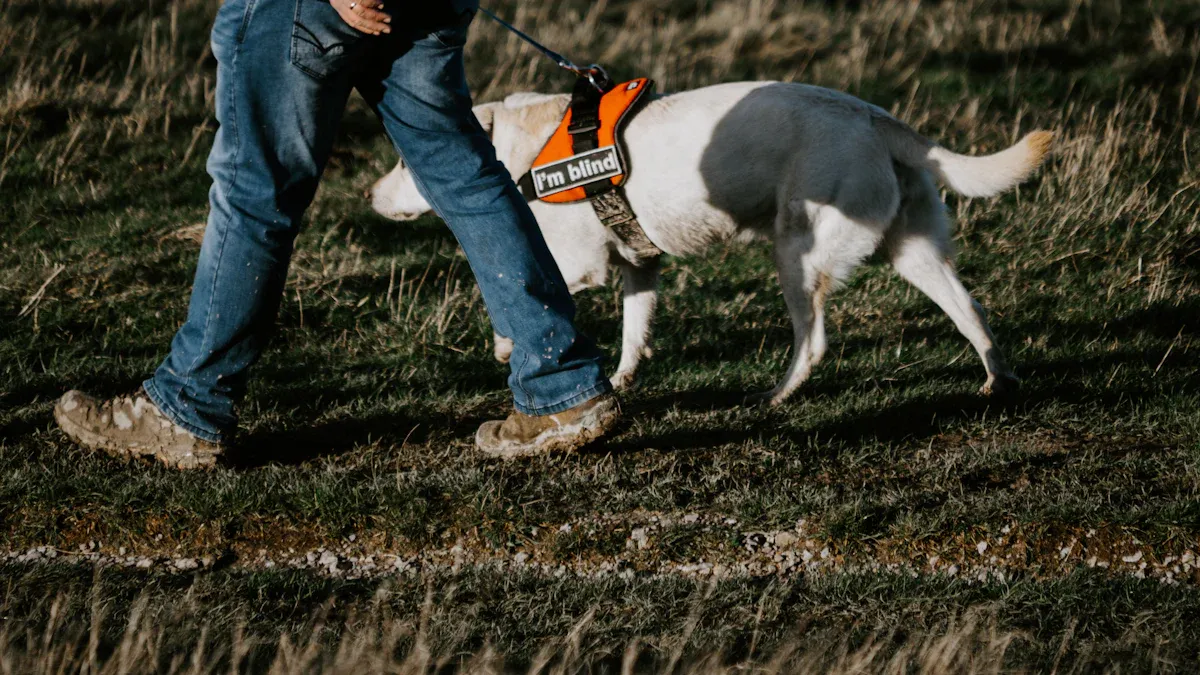
The best dog harness for a product line should solve a clear use case without promising more than the structure can support. Buyers should judge the walking problem first, then decide whether the clip style fits that use case.
When front-clip is the better product direction
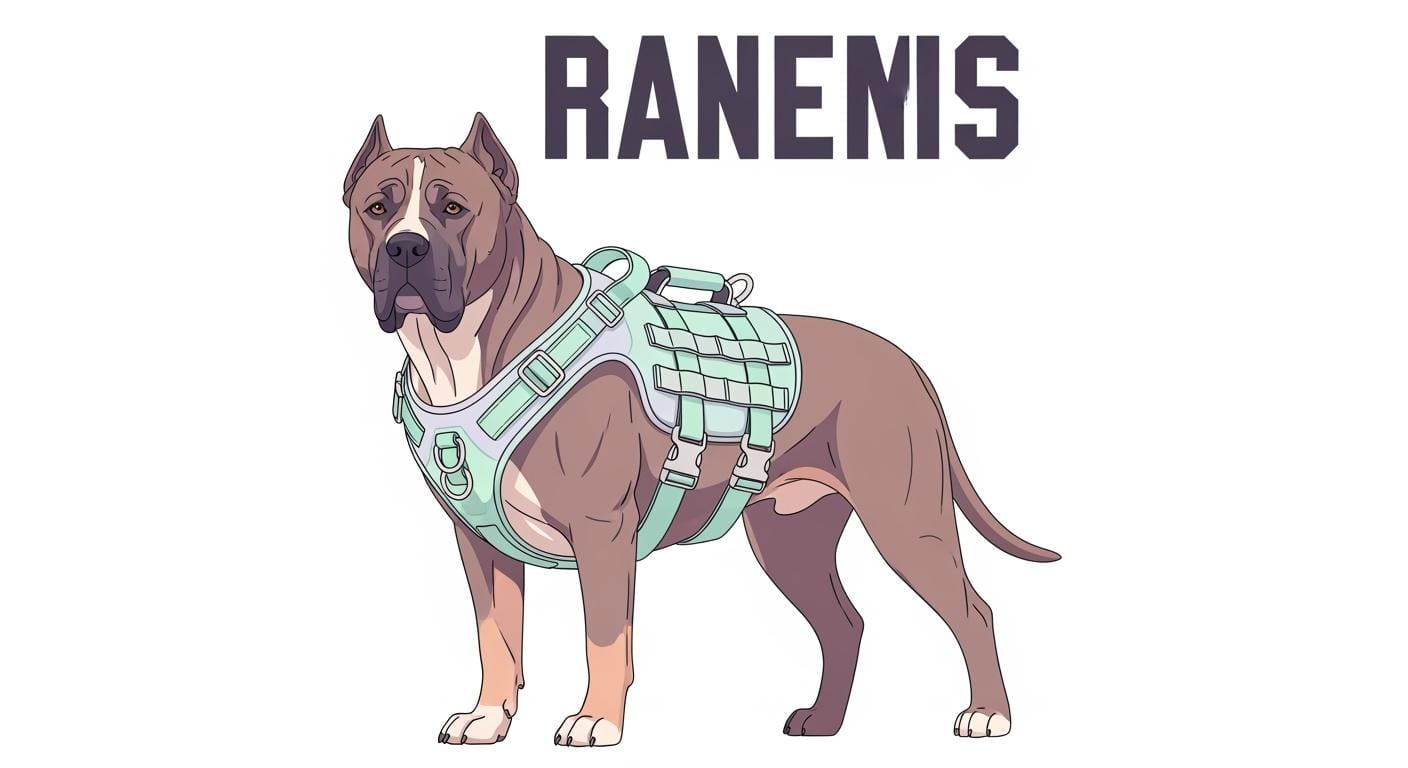
Front-clip is a stronger direction when the product needs to address pulling, steering, or crowded walking environments. The buyer should check whether the front attachment point stays centered under tension, whether the chest piece distributes pressure evenly, and whether strap edges stay away from high-friction areas.
When back-clip is enough
Back-clip can be the right choice for simple walking, comfort-led daily products, and dogs that do not need extra steering. The buyer should check whether the product is being positioned realistically. A back-clip harness can be comfortable and practical, but it should not be treated as a no-pull control solution if the design does not support that use.
When dual-clip makes sense
Dual-clip makes sense when the product must cover different walking settings without forcing buyers to choose between comfort and added control. It is especially useful when a line needs one harness style for multiple walking conditions. The design still needs clean strap adjustment, stable front balance, and hardware placement that does not add unnecessary rubbing points.
For harness products tied to daily walking and control needs, clip choice should also match the broader walking routine the product is meant to support. A design that works for relaxed short walks may not work the same way for stronger dogs, crowded sidewalks, or changing route conditions.
Common product-selection mistakes to avoid
Most harness disappointment starts before the product is used. It often comes from choosing a clip style because it looks more advanced, because it matches a trend, or because the size chart seems broad enough. For B2B buyers, the better approach is to connect each feature to a real use boundary.
Mistake 1: Treating dual-clip as automatically better
Dual-clip adds flexibility, but it does not automatically improve the harness. If the front panel twists, the neck opening is unstable, or the adjustment points are hard to balance, the extra clip can create more uncertainty instead of better control.
Mistake 2: Using weight as the main size guide
Weight can help estimate size, but it cannot replace chest and lower-neck measurements. Dogs with the same weight may have different chest depth, shoulder width, coat thickness, and body length. A strong size system should make these fit differences easier to manage.
Mistake 3: Ignoring strap path and edge softness
Fit does not depend only on length adjustment. Strap position, edge finishing, webbing width, padding placement, and hardware weight all affect comfort during movement. A harness that looks stable on a product photo can still rub if the strap path sits too close to the front legs.
| Problem seen in use | Likely product cause | What buyers should check first |
|---|---|---|
| Harness rotates under tension | Loose adjustment range or body-shape mismatch | Chest panel width, strap balance, size grading |
| Dog still pulls hard | Wrong clip choice or too much forward leverage | Front-clip stability or dual-clip structure |
| Rubbing after short use | Rough edge, poor strap path, or tight contact point | Edge softness, armpit clearance, movement range |
| Back-out risk | Neck opening too loose or poor strap geometry | Neck adjustment, chest depth, escape points |
| Dog resists wearing it | Awkward structure, pressure points, or stiff hardware | Entry style, material stiffness, pressure distribution |
When clip style, sizing range, and materials need to be judged together, the broader harness sizing and use cases can help separate a product that looks complete from one that performs consistently across real walking conditions.
Häufig gestellte Fragen
What clip style is best for a dog that pulls?
A front-clip or well-built dual-clip harness is usually the better starting point. The buyer should still check whether the front attachment point stays centered and whether the chest structure avoids twisting under tension.
Is a back-clip harness bad for dogs?
No. A back-clip harness can be a good daily-use option for calm walking and comfort-focused products. The problem appears when it is expected to solve strong pulling without the structure to support that use.
How snug should a dog harness be?
It should stay stable without pinching, rotating, or allowing easy backing out. For product evaluation, buyers should check both standing fit and movement fit before trusting the size chart alone.
Do buyers need a dual-clip harness in every product line?
No. Dual-clip is useful when one harness needs to cover both relaxed walking and stronger control needs. If the target use case is simple comfort walking, a clean back-clip structure may be easier and more suitable.
What matters more, fit or clip style?
Fit comes first. The right clip style on a poor fit can still twist, rub, restrict movement, or fail to control the dog. Clip style should support the fit system, not replace it.