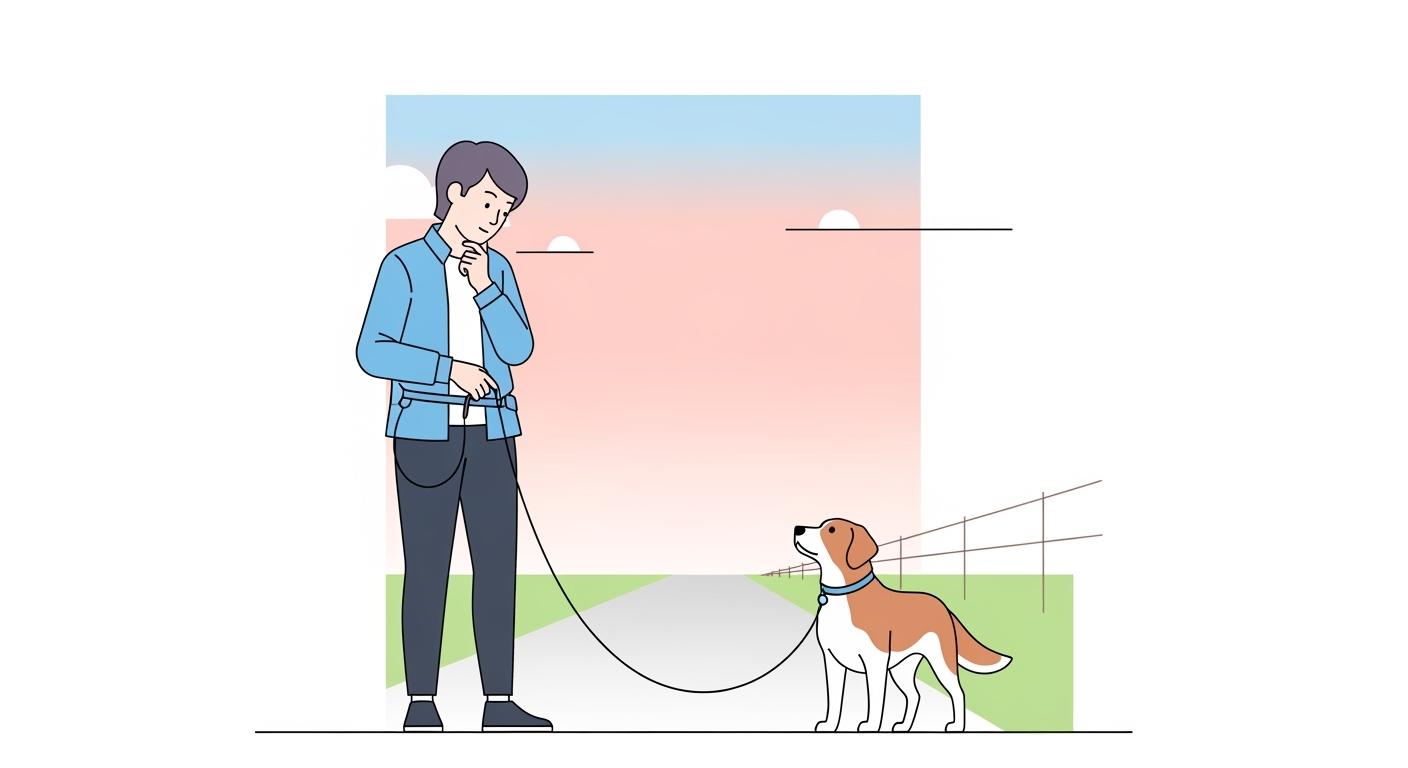
An around the waist dog leash changes the walk in a bigger way than many owners expect. The leash no longer lives in your hand. Pulling force lands at your hips, your arms stay free, and the whole walk starts depending more on your dog’s pace and your route than on quick hand corrections.
That is why this setup can feel great on one walk and frustrating on the next. A dog that moves steadily beside you can make a waist leash feel smooth and natural. A dog that lunges, weaves, or keeps testing distractions can turn the same setup into delayed stops, crossed leash lines, and side pulls that reach your core before you are ready for them.
Note: This article focuses on setup checks and decision rules for an around the waist dog leash. It does not replace veterinary or behavior advice when pulling is linked to pain, fear, or ongoing reactivity.
Das Wichtigste in Kürze
- A waist leash usually works best with dogs that already have basic loose-leash manners.
- Open routes and predictable movement suit this setup better than crowds, traffic, or high-distraction areas.
- The right question is not whether hands free sounds convenient. It is whether your dog and your route still allow fast enough control.
When a Waist Leash Helps, and When a Hand Held Leash Is Easier
Why some walks feel easier with your hands free
A waist leash shifts the anchor point from your wrist or shoulder to your hips and core. On longer walks, light runs, or quieter trail routes, that often feels less tiring because the pull is not constantly collecting in one arm. Many owners also like having free hands for carrying water, handling doors, or moving more naturally through a run.
Those comfort differences usually become more obvious on longer outings, especially with the kinds of hands free dog leash materials and comfort choices that affect whether the belt stays put or starts rubbing once the route gets longer.
Which dogs usually do best in this setup
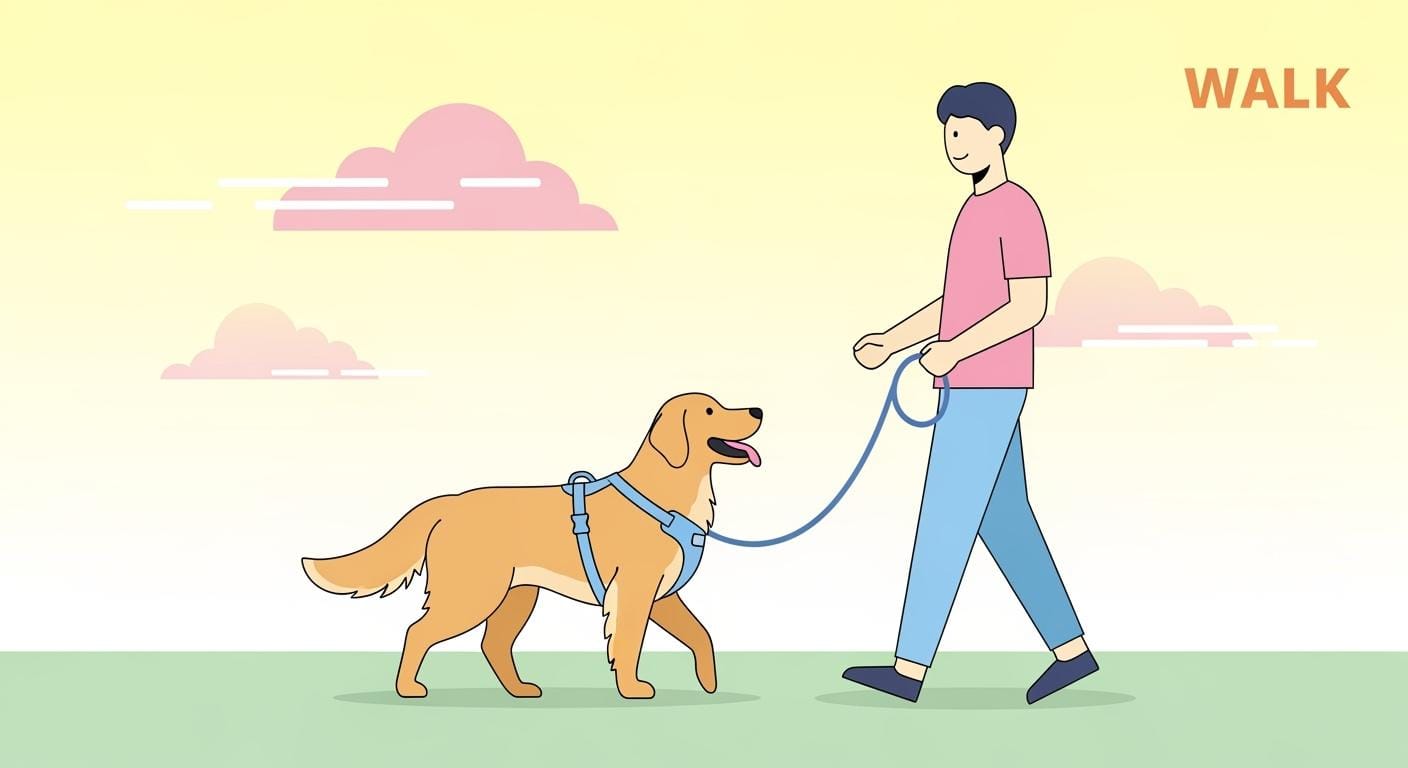
Dogs that already understand a loose-leash rhythm, stay on one side consistently, and do not lunge hard at sudden triggers are usually the best match. The leash path from your waist encourages the dog to move with your body instead of reacting to every small hand motion, which can feel natural for steady walkers.
A dog that still pulls hard into the line usually needs leash work first. In practice, that often overlaps with front-clip harness training steps when owners need clearer redirection than a waist leash alone can give.
When hand held control is still the better answer
A leash held by hand is usually easier in crowds, near traffic, around other dogs, and anywhere a one-step correction matters. With a waist leash, shortening the line takes more movement. That extra second is not a big deal on an open path. It matters much more when the dog is about to cross in front of a cyclist or pull toward a busy sidewalk.
That same change shows up in leash length decisions for crowded and open areas, because a line that feels fine on a trail can become awkward fast once space gets tighter.
| Feature | Around the Waist Leash | Hand Held Leash | Convertible Leash | What to Watch |
|---|---|---|---|---|
| Hands free use | Yes | No | Depends on setup | Switching back to close control should feel simple |
| Close control | Moderate | High | Usually better than fixed waist only | Response time matters more in busy spaces |
| Comfort on long walks | Usually high | Varies by dog and handler | Flexible | Loose belts can shift and get less comfortable over time |
| Best conditions | Running, hiking, quieter routes | Crowds, traffic, training-heavy walks | Mixed routes | More hardware can also mean more bulk |
| Quick switch to short hold | Slower | Immediate | Usually easier than waist only | Practice the grab motion before you need it |
| Tangle risk | Lower on steady open walks | Lower when you actively manage the line | Varies | Sharp turns expose sloppy leash paths quickly |
What Changes on a Real Walk
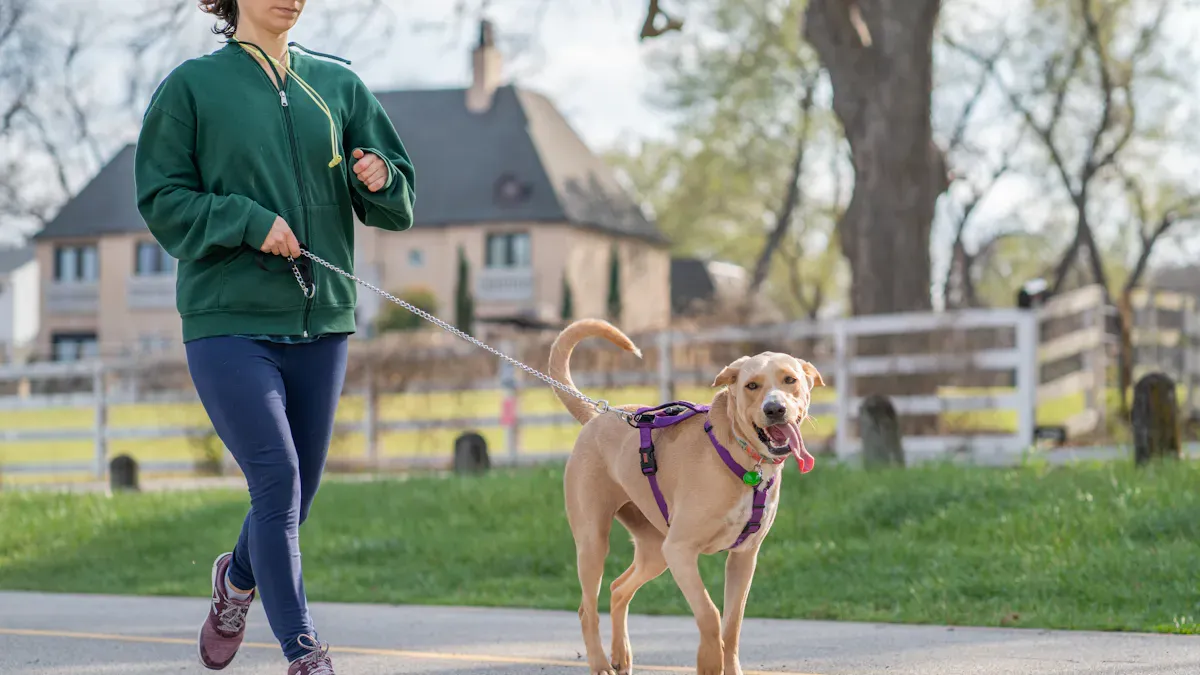
The leash path feels different right away
With a hand held leash, small tugs register through your hand almost immediately. With a waist leash, those same movements arrive lower and less directly. That can feel smoother when the dog is calm. It can also make subtle changes easier to miss until they become a stronger pull.
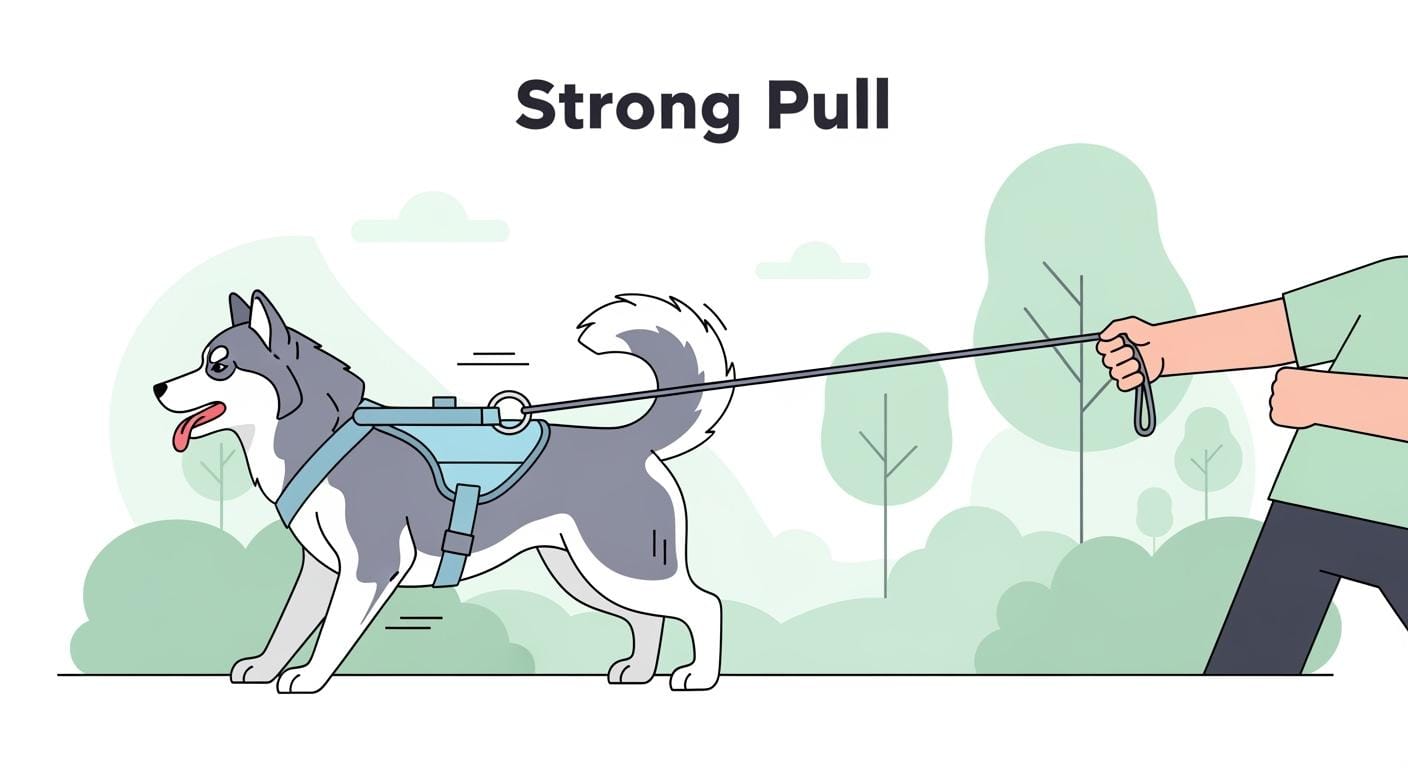
- Pull force lands at your hips and core instead of your wrist.
- Small leash changes can feel less precise than they do in your hand.
- Side pulls can rotate your stance faster than you expect.
- Watching your dog’s body language matters more because direct hand feedback is reduced.
Turns and tight spaces need more planning
A waist leash works best when your whole body leads the turn. In open spaces, that often feels natural. In narrow sidewalks, doorways, and crowded corners, it can feel delayed and clumsy if the leash is too long or the dog changes sides suddenly.
Belt height and line position matter here too, especially in the kind of waistband dog leash sizing and essential features that decide whether the clip stays at a workable angle or starts pulling from the wrong place.
Sudden lunges feel different from steady pulling
A steady pull is tiring but predictable. A sideways or forward lunge through a waist leash can feel much more disruptive because it turns your hips and balance instead of just your arm. If your dog lunges enough that the belt keeps pulling you off line, the harness on the dog may also need another look, especially when dog training harness fit and sizing has not been checked carefully.
Close control in busy areas still needs a hand
Even if you use the waist setup most of the time, crowded stretches often go more smoothly when you grab the line between your waist and the dog and temporarily convert the setup into a short hand hold. That lets you keep the dog close without unclipping the whole system.
- Slow down before turns.
- Shorten the line before entering foot traffic.
- Keep the dog on the side away from the biggest distraction.
- Leave the busy stretch instead of trying to manage a rising dog through it.
Across different dog leash options, that ability to move from waist use to close hand control is often the real dividing line between a useful setup and a frustrating one.
How to Test It Before Using It Regularly
A waist leash usually needs a short trial process before you know whether it fits your real routine. A calm indoor clip-on tells you very little about how the setup behaves once turns, stops, distractions, and pace changes start happening.
Use a simple three-step test
- Indoor test: Fit the belt while the dog is calm, attach the line, and take a few steps to check whether the belt stays comfortable and the clip angle feels natural.
- Quiet outdoor test: Walk one short block, make a full stop, and take one sharper turn. Watch whether the leash stays clear of your legs and whether the dog keeps pace without constant tension.
- Full route test: Walk your normal route once the quiet version feels stable, then judge the setup after the walk instead of during the first minute only.
Recording three walks usually tells you much more than judging one. It helps to note whether the leash stayed loose, how many real lunges happened, whether turns felt clean, and what kind of route you were on each time.
Pass or fail checks
| Check | Signal weiterleiten | Fehlermeldung | Improvement Plan |
|---|---|---|---|
| Dog walks beside you without tension | Line stays loose most of the time | Line stays tight or dog keeps forging ahead | Return to quieter routes and shorten the leash |
| Turns feel smooth | Leash stays clear of your legs | Leash wraps your legs or causes near trips | Slow down and shorten before corners |
| Stops are controlled | Dog pauses with you | Dog keeps moving after you stop | Practice a stop cue before the next walk |
| Tighter spaces stay manageable | Dog stays close without weaving | Dog crosses your path or tangles the line | Use a short hand hold in those sections |
| Sudden pull stays manageable | You recover balance quickly | You feel pulled off line or reach for support | Go back to hand held for now |
Tip: If more than one of these checks keeps failing, the issue is usually not that you have not gotten used to the setup yet. It usually means the route, the dog, or the leash style is still the wrong match.
Failure Signs That Matter
The most common pattern with a waist leash is not total failure on the first walk. It is early success on quiet walks followed by trouble when something sudden happens and the response window feels slower than expected.
What usually goes wrong first
- Delayed stops because the dog is not checking in with you.
- Leg tangles during turns because the line is too long or too slack.
- Side pulling that rotates the belt and your hips together.
- Clip twist after the dog circles or changes sides repeatedly.
- Poor handling near distractions because there is too much slack in the wrong moment.
Tip: One of the most common mistakes is switching to a waist leash before the dog has a reliable loose-leash habit. The leash changes where the pull lands. It does not teach the dog not to pull.
Troubleshooting common waist leash problems
| Symptom | Mögliche Ursache | Fast Check | Beheben |
|---|---|---|---|
| Delayed stop | Dog is not responding to your pause | Stop mid-walk and watch whether the dog keeps moving | Practice a stop cue before using the waist setup again |
| Leg tangle on turns | Line too long or too much slack | Turn sharply and watch whether the line crosses your legs | Shorten the line and slow the turn |
| Side pulling | Dog is drifting toward a distraction | Watch whether the dog keeps favoring one side | Redirect early or switch to a hand hold for that stretch |
| Clip twist | Dog circles or the swivel does not release well | Check the clip after the walk | Guide the dog back beside you and check hardware movement |
| Poor control near distractions | Too much slack in a high-stimulation area | Watch what happens when you enter a busy stretch | Shorten the line or return to hand held |
When to switch back to hand held
If delayed stops, repeated tangles, or real balance loss keep happening, the better answer is usually not to force the waist setup. It is to go back to a hand held leash for those routes or for that dog at the current training stage.
A convertible or short-hold-friendly setup can still help later, but only once the walk feels predictable enough that your hips do not become the first thing catching every surprise.
Disclaimer: An around the waist dog leash is a handling tool, not a training solution. If pulling, lunging, or balance loss keep repeating, change the setup before you assume you just need more practice with the belt.
Häufig gestellte Fragen
Can any dog use an around the waist dog leash?
Usually no. Dogs with steady leash manners tend to do much better in this setup than strong pullers or reactive dogs.
How should a waist leash be cleaned?
Mild soap, a thorough rinse, and full drying are usually enough, especially if the belt and hardware are used often.
What should I do if my dog starts pulling too hard?
Grab the line between your waist and the dog, shorten it immediately, and finish that section or that walk with direct hand control.
Does a waist leash reduce pulling?
No. It changes where the force lands on your body, but it does not teach the dog different leash manners by itself.
Is a waist leash good for running?
It can be, especially for dogs with a steady pace, but that only works well when the dog is predictable enough not to throw sudden sideways force into your hips and balance.
An around the waist dog leash works best when your dog already has the habit of moving with you instead of against you. On the right dog and the right route, it can feel smoother, less tiring, and easier to live with than a hand held leash. On the wrong walk, it can make control slower than you need. That difference is usually clear once you watch how the dog handles turns, stops, distractions, and line tension over a few real outings.